AxiOwl vs Single-Provider AI Tools
Single-provider AI tools are usually designed around one host, one session model, and one set of assumptions. That can be clean when all of the work stays inside that provider. It becomes limiting when a real operator has useful AI sessions open in several places: Codex, Cursor, VS Code, Copilot-backed VS Code, Antigravity, and CLI-oriented tools with different session metadata and reply paths.
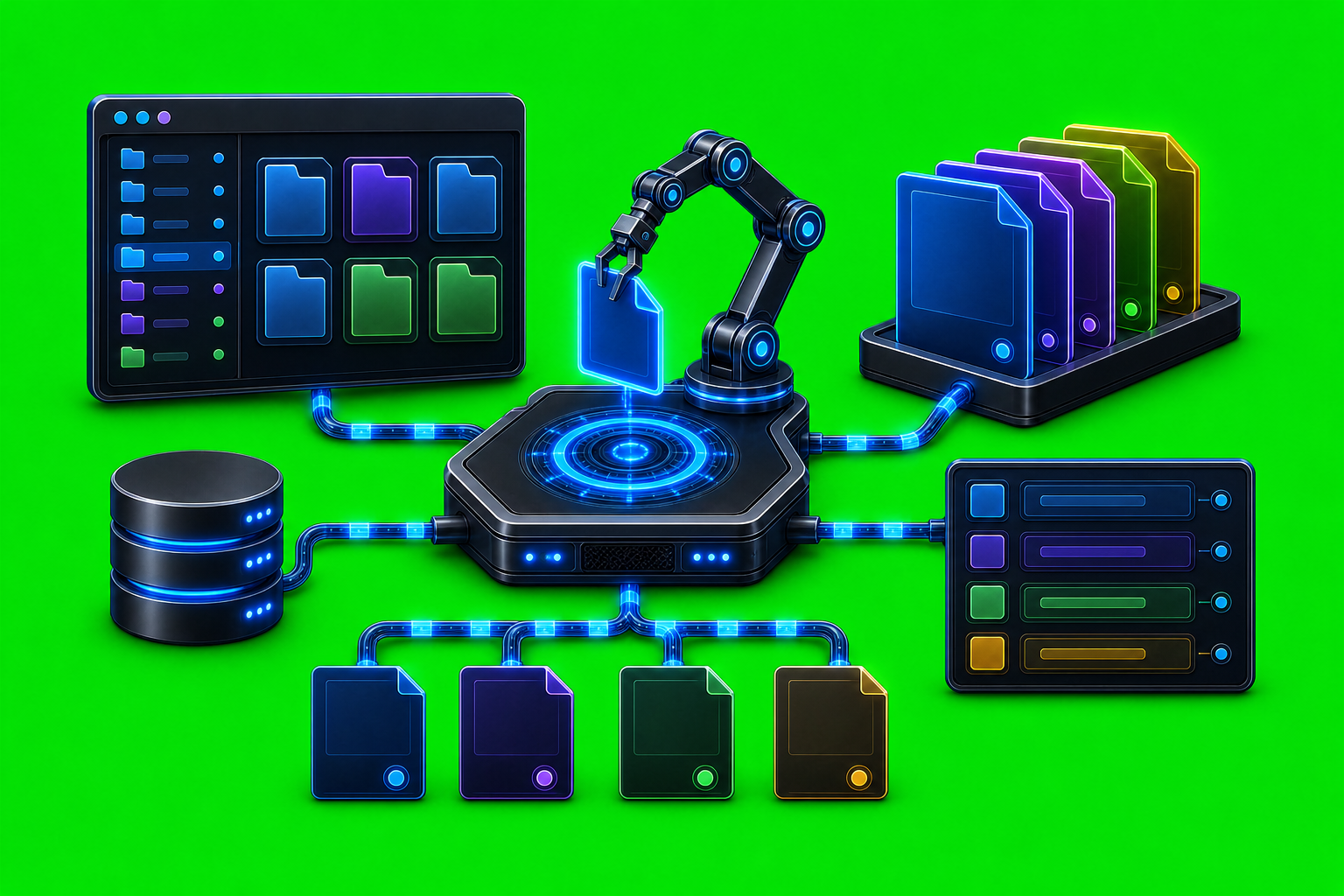
AxiOwl is built for that second situation. It is not another model chat UI, and it is not a generic wrapper that pretends every provider behaves the same way. The current AxiOwl architecture describes it as a local Windows coordinator for sending messages between AI provider sessions. It exposes a CLI and MCP server, keeps a durable local registry of provider sessions, discovers active sessions, and delivers through provider-specific edges.
That difference matters. A single-provider tool can optimize deeply for its own provider. AxiOwl optimizes for coordination: knowing which named agent is where, which provider owns the session, whether that session is sendable, how to deliver through the correct provider edge, and whether the result is only an AxiOwl handoff or real provider delivery proof.
The Main Difference Is The Routing Layer
In a single-provider tool, the provider is usually implicit. If you are inside one editor extension, one CLI, or one hosted chat interface, the tool already knows its own world. There may be no need for a separate provider field, session registry, node identity, bridge extension, or provider support matrix.
AxiOwl has to be more explicit because its job is different. A registry row represents a reachable provider session or agent. The architecture reference lists fields such as display_name, aliases, provider, provider_session_id, node_id, sendable, source, last_seen_at, last_verified_at, and last_error.
The human-facing name is only the lookup label. The route is the combination of provider, provider-owned session id, node identity, and sendability state. That lets an operator type a simple command such as:
axiowl send --to <agent> --body <message>
or, for content that should not be damaged by shell quoting:
axiowl send --to <agent> --stdin
Behind that simple command, AxiOwl resolves the target through the registry, performs targeted discovery repair when needed, dispatches through provider_edges.cpp, and then uses the provider-specific implementation for the selected provider.
AxiOwl Does Not Flatten Providers Into One Shape
The provider dispatch code is intentionally direct. It routes known provider values to provider-specific functions: codex, codex_cli, vscode_native, vscode_copilot_backed, antigravity, antigravity_cli, cursor, cursor_cli, claude_code_cli, copilot_cli, and opencode_cli. Unknown providers return an explicit failure. Remote delivery currently returns an out-of-scope result for the local-provider remediation build.
That is different from a tool that only supports its own provider surface. AxiOwl has to preserve provider differences because those differences are operationally real. Cursor agents use a bridge command-file and watcher style path with patch-sensitive internals. VS Code native and Copilot-backed paths use bridge extensions and MCP definitions. Codex support depends on Codex desktop or Codex CLI session behavior. Antigravity agents use their own provider edge and MCP reply path. CLI-oriented surfaces need provider-owned metadata before they can be treated as final supported reply paths.
The source-of-truth provider matrix is explicit about this. Current supported surfaces include codex:agents, codex:cli, vscode:agents, copilot:vsix extension, cursor:agents, and antigravity:agents. Other surfaces are marked target, unsupported, or out of scope when they have not met the current proof bar.
That honesty is part of the product design. AxiOwl does not mark a provider supported just because it can write a config file, start a process, or find a plausible session. Support means discovery works, the installer installs only the required integration pieces, AxiOwl can send to a named provider session, the provider receives the message, the provider replies through AxiOwl MCP, and the reply carries correct provider-owned sender identity.
Receipts Are Not Treated As Replies
One of the most important differences between AxiOwl and a simple single-provider send mechanism is the receipt boundary.
The architecture reference says an AxiOwl send receipt is not the same as provider delivery proof. accepted_by_axiowl means AxiOwl accepted, validated, and handed off the request. A provider result such as accepted_by_provider means the selected provider edge reported acceptance. The strongest end-to-end proof is a response over MCP, because that proves the target provider received the message, acted on it, and replied through AxiOwl with provider-owned sender identity.
This distinction is easy to lose in a single-provider environment where the tool and the provider surface are tightly coupled. AxiOwl has to keep it visible because it may be coordinating across providers with different delivery behaviors and different failure modes. A local handoff is useful, but it is not the same thing as a recipient replying from a real provider session.
That is why the MCP tool description for axiowl_send_message says success is an MCP-to-AxiOwl handoff receipt only, and provider delivery and reply are not implied. The tool requires the host MCP session ID as the stable sender identity key, so AxiOwl can resolve that key to the registered visible sender name before appending reply instructions.
Sender Identity Is A Hard Requirement
A single-provider tool can often infer sender identity from its own process, workspace, or active session. AxiOwl cannot safely rely on that kind of guess across providers.
The architecture reference states the sender identity rule plainly: AxiOwl must know who is sending. For MCP, sender identity must come from the provider's MCP metadata or a provider patch that supplies metadata programmatically. Environment-only identity injection is not enough for final provider CLI support.
The implementation reflects that rule. mcp_server.cpp checks host-specific metadata keys such as Antigravity conversation ids, Cursor session or composer ids, Claude session ids, Copilot session ids, OpenCode session ids, and Codex turn metadata. When required metadata is missing, AxiOwl refuses the action rather than inventing an identity.
That is not just strictness for its own sake. Replies need to route back to a real provider session. If AxiOwl guessed the sender name or accepted a stale path, it could generate reply instructions that point at the wrong agent, the wrong provider, or no live session at all.
Installation Is Selected-Provider Aware
Another difference is installation scope. A single-provider tool generally installs one integration. AxiOwl's Windows MSI installs AxiOwl once, but each provider feature is supposed to behave like a separate install unit.
The installer behavior matrix says provider checkboxes should default from discovery, unchecked providers should not be installed, patched, closed, restarted, or removed as collateral damage, and selected provider features should fail loudly when they cannot be installed safely. The same matrix says remote features can remain present but should not be checked by default.
This matters because some provider surfaces require sensitive integration work. The trust-boundaries document says AxiOwl may write selected provider MCP config, selected bridge extension files, selected provider patch changes, and selected AxiOwl-owned config entries. It also says AxiOwl should not modify unrelated provider extensions, user auth tokens, unrelated provider settings, unrelated workspace files, unchecked provider surfaces, or remote configuration unless explicitly selected.
That selected-provider boundary is a practical advantage over broad automation. AxiOwl is not supposed to touch every installed AI tool just because it exists on the machine. Discovery can find provider state, but mutation is tied to selected provider intent.
The Operator Experience Stays Simple
The goal is not to make operators think about every provider detail on every send. The point is to hide the provider-specific work behind a small, inspectable contract.
The CLI presents direct verbs: send, create, rename, discover, list, status, mcp-server, mcp-self-test, provider smoke tests, node commands, registry commands, delivery worker mode, relay session mode, and license commands. The important daily path can still be a plain message to a named agent.
What changes is the reliability model behind that command. AxiOwl records registry state, delivery logs, runtime request and result files, proof logs, and provider-specific evidence. It distinguishes target discovery from delivery proof. It treats unsupported providers as unsupported instead of silently routing around them. It separates AxiOwl handoff receipts from provider replies.
For an operator coordinating multiple AI work surfaces, that is the useful part. You can keep working with the provider sessions that fit the task while AxiOwl handles the routing contract between them.
When A Single-Provider Tool Is Enough
There are cases where a single-provider tool is the right shape. If all work stays inside one provider, one editor, or one CLI, a single-provider tool can be simpler. It may have fewer moving parts because it does not need a cross-provider registry, a provider matrix, selected-provider installer behavior, or MCP sender identity normalization across hosts.
AxiOwl is for the cases where those moving parts are the point. It is useful when one workflow involves several provider surfaces, when named sessions need to message each other, when replies need to carry stable identity, or when an operator needs evidence about what was accepted by AxiOwl versus what was accepted by a provider.
The comparison is not "one provider bad, many providers good." The real distinction is scope. A single-provider tool owns one provider experience. AxiOwl coordinates across provider experiences while keeping the provider-specific details at the edges.
The Practical Tradeoff
AxiOwl's approach is more explicit. It needs registry rows, provider support status, discovery, provider edges, selected installation behavior, and proof boundaries. That is the cost of coordinating across real tools that do not expose the same APIs or the same metadata.
The benefit is that AxiOwl can be honest about routing. It can say when a provider is supported, when it is only a target, when a send was merely accepted by AxiOwl, when a provider accepted it, and when a reply proves the full path. It can install only the selected integration pieces and avoid treating unchecked providers as collateral.
That is the core difference between AxiOwl and a single-provider AI tool. AxiOwl is not trying to replace every provider interface with one chat box. It is a local coordination layer that lets named AI sessions communicate across supported provider surfaces while preserving the evidence, identity, and provider boundaries needed to know what actually happened.