AxiOwl Node Registry Explained
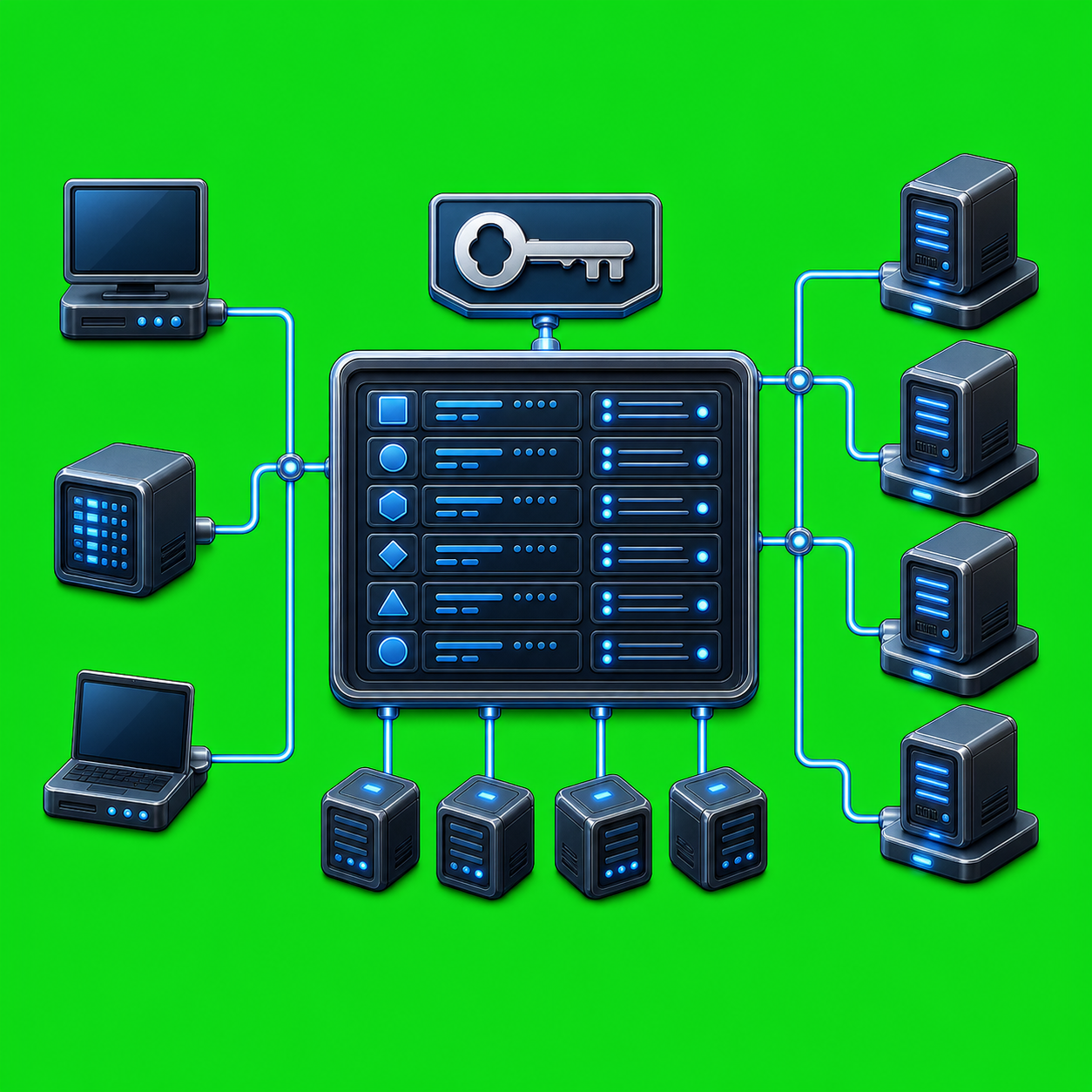
AxiOwl Node Registry Explained AxiOwl needs a practical answer to a simple routing question: when an operator says to reach a remote node, what machine is that, how should AxiOwl connect to it, and is the node still usable? The node registry is the small durable table that answers those questions. In the current AxiOwl […]
AxiOwl Command Telemetry Explained

AxiOwl Command Telemetry Explained Command telemetry in AxiOwl is the local evidence trail that explains what happened when a command, MCP tool call, or provider reply moved through the system. It is not just a success message. It is the difference between "AxiOwl accepted this request" and "the target provider received it, accepted it, and […]
AxiOwl Failure Stages Explained

AxiOwl Failure Stages Explained A failed AxiOwl message is not one vague event. It is a failure at a specific boundary: the request may be malformed, the sender may be unresolved, the target may be missing from the registry, the delivery worker may fail to start, the provider edge may reject the message, or the […]
AxiOwl Run IDs and Message IDs Explained

AxiOwl Run IDs and Message IDs Explained AxiOwl uses two different identifiers when a message moves through the system: a run ID and a message ID. They sound similar, but they answer different questions. The run ID ties related work together. The message ID identifies one specific send attempt and becomes the receipt handle for […]
AxiOwl Remote Execution Without Open Manager Ports
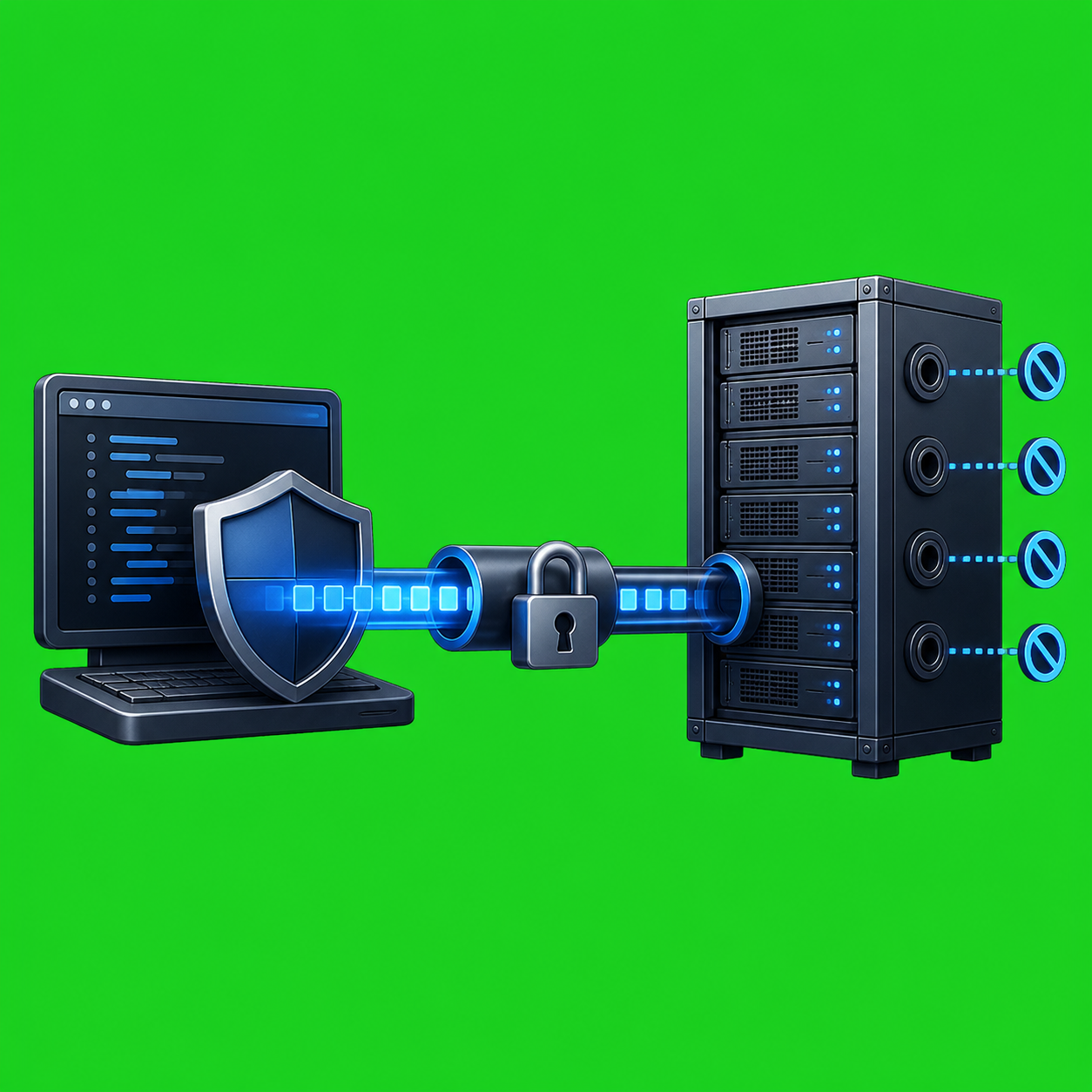
AxiOwl Remote Execution Without Open Manager Ports Remote execution usually creates a security question before it creates an automation question: what has to be listening on the remote machine? AxiOwl's current remote design keeps that answer deliberately narrow. The Windows-side AxiOwl runtime acts as the local coordinator and remote provider, while the Linux-side package acts […]
AxiOwl Cross-Provider Messaging Explained

AxiOwl Cross-Provider Messaging Explained Cross-provider messaging in AxiOwl means that one AI session can address another by a registered agent name, while AxiOwl handles the provider-specific mechanics underneath. The sender does not need to know whether the target is a Codex agent, a Codex CLI thread, a Cursor composer, a VS Code chat surface, VS […]
AxiOwl Named Agents Explained

AxiOwl Named Agents Explained A named agent in AxiOwl is a human-friendly handle for a real provider session that AxiOwl can route to. It lets an operator send to a recognizable target such as a chat, coding session, CLI agent, VS Code bridge session, Cursor session, or remote provider session without memorizing the provider's raw […]
AxiOwl Installer Repair Explained

AxiOwl Installer Repair Explained Installer repair is one of those features that sounds simple until the installer is responsible for real developer tools. AxiOwl is not just copying one executable into a folder. The Windows MSI installs the local AxiOwl runtime, updates PATH, verifies MCP server mode, registers provider integrations, installs bridge extensions, writes provider […]
AxiOwl Evidence Logs Explained
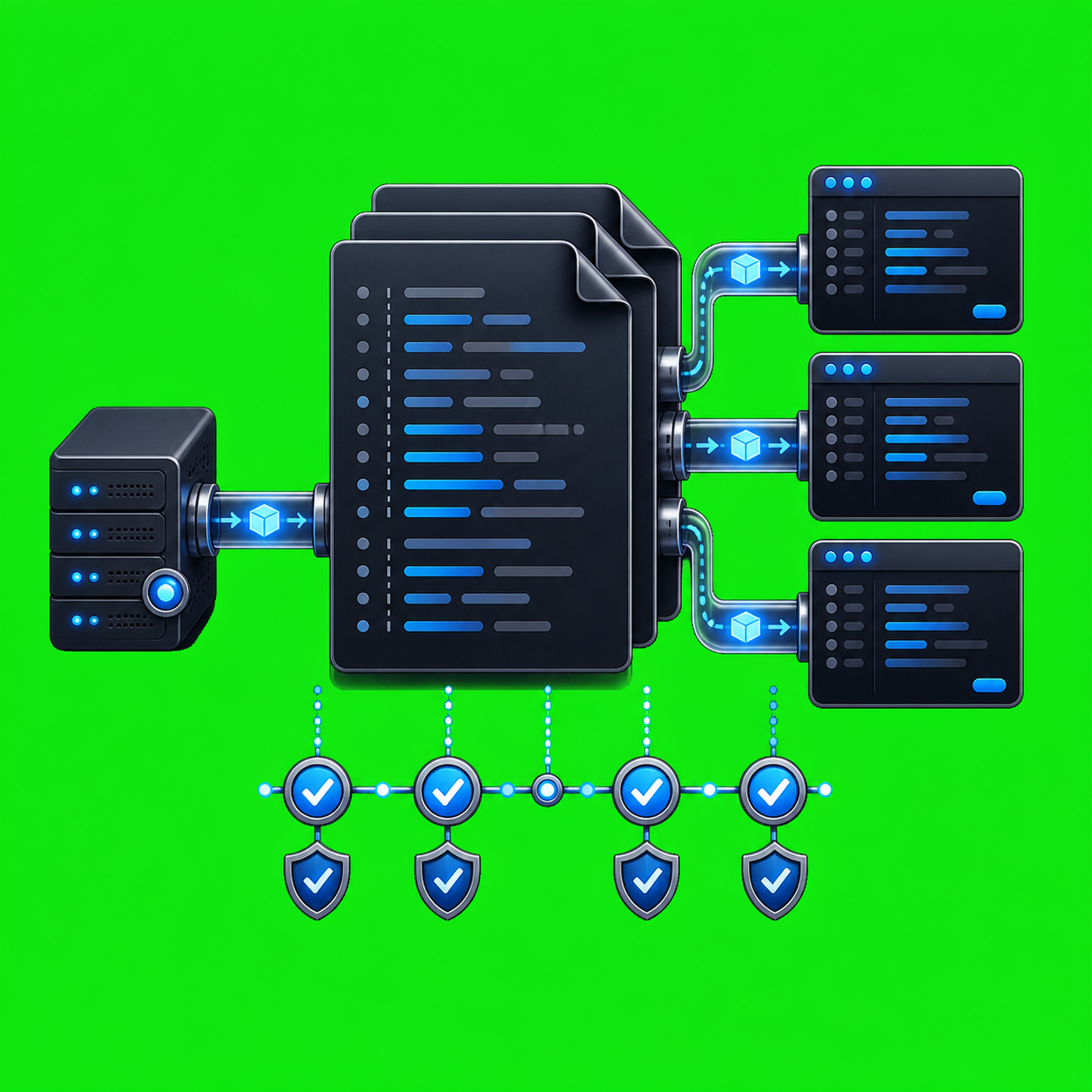
AxiOwl Evidence Logs Explained AxiOwl evidence logs are the product's operating memory for message routing. They record what AxiOwl accepted, what it rejected, what it tried to discover, which provider path it handed work to, and where the boundary sits between a local receipt and real provider proof. That distinction matters. AxiOwl is not a […]
AxiOwl Delivery Receipts Explained
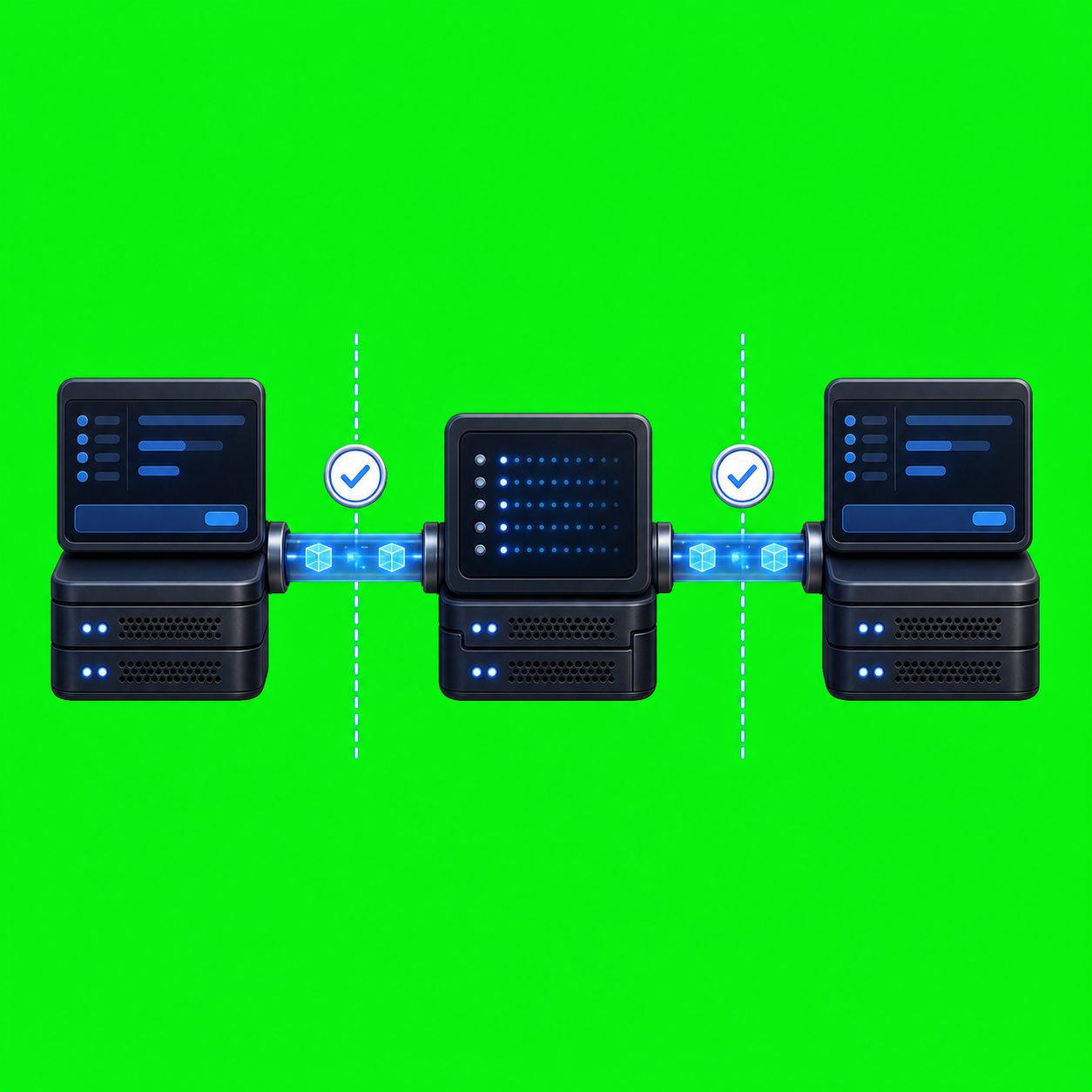
AxiOwl Delivery Receipts Explained A delivery receipt in AxiOwl is not a vague success message. It is a boundary marker. It tells the operator which part of the AxiOwl send pipeline has accepted the work, which provider route was selected, and where to look for evidence. Just as importantly, it avoids promising facts that AxiOwl […]