How to Read AxiOwl Evidence Logs

How to Read AxiOwl Evidence Logs AxiOwl evidence logs are the operator's audit trail for what the local coordinator accepted, resolved, rejected, handed off, or proved. They are not generic application noise. They are structured newline-delimited JSON records that let you reconstruct the path of a message or create request across registry resolution, sender identity, […]
How to Repair AxiOwl Provider Integrations

How to Repair AxiOwl Provider Integrations Provider integration repair in AxiOwl is not a matter of blindly retrying the same send until something appears in a chat. AxiOwl has a stricter model: it discovers real provider sessions, records them in a durable local registry, resolves sender and target identity, runs a targeted discovery repair when […]
AxiOwl Command Telemetry Explained
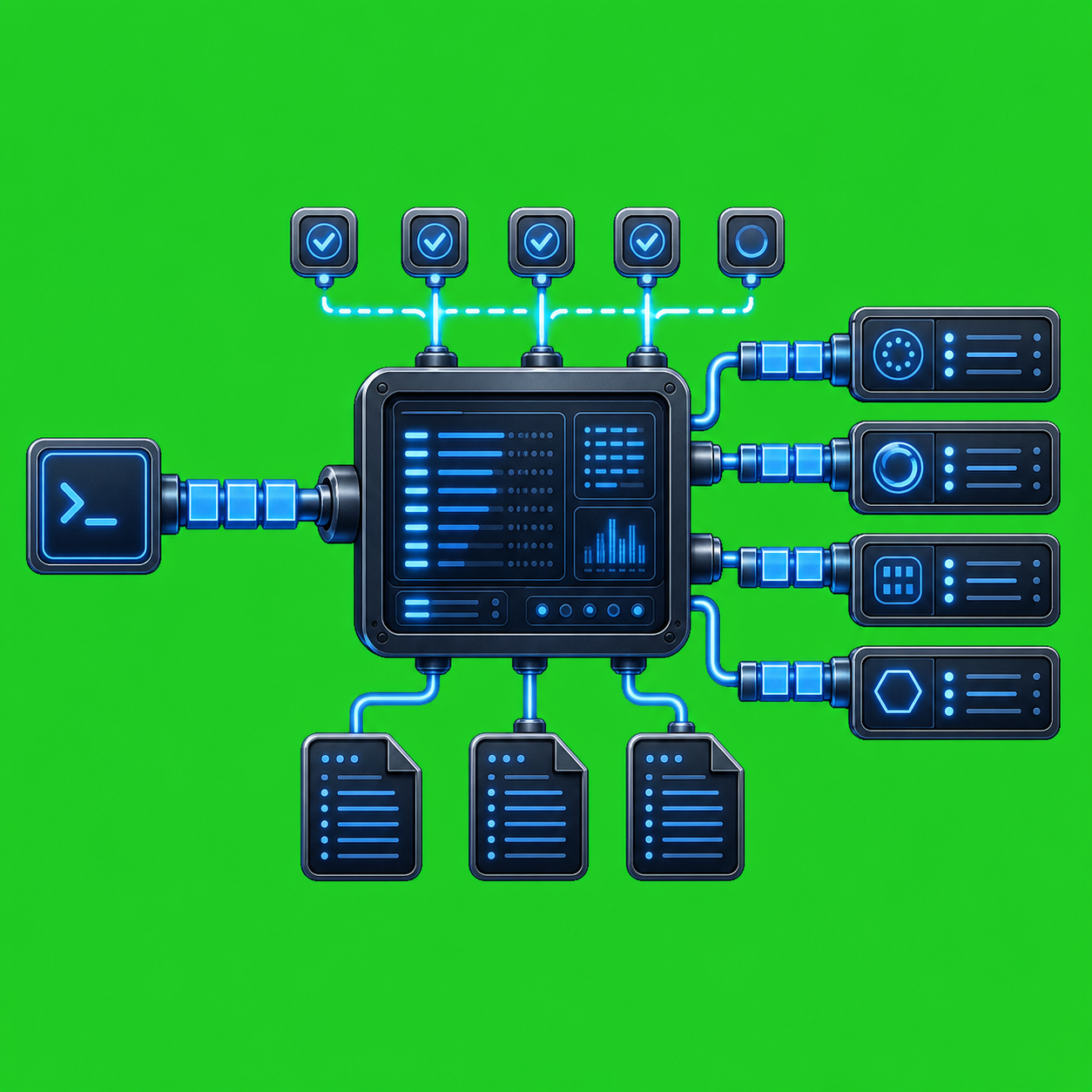
AxiOwl Command Telemetry Explained Command telemetry in AxiOwl is the local evidence trail that explains what happened when a command, MCP tool call, or provider reply moved through the system. It is not just a success message. It is the difference between "AxiOwl accepted this request" and "the target provider received it, accepted it, and […]
AxiOwl Failure Stages Explained

AxiOwl Failure Stages Explained A failed AxiOwl message is not one vague event. It is a failure at a specific boundary: the request may be malformed, the sender may be unresolved, the target may be missing from the registry, the delivery worker may fail to start, the provider edge may reject the message, or the […]
How to Route Work From One Agent to Another

How to Route Work From One Agent to Another Routing work between AI agents is only useful if the handoff lands in the right session and the sender can understand what happened. AxiOwl treats that as a transport problem, not a prompt-writing trick. A named sender sends a text body to a named target, AxiOwl […]