How the AxiOwl CLI Works With Standard Input

How the AxiOwl CLI Works With Standard Input Standard input matters in AxiOwl because agent messages are often not short, shell-friendly strings. They can include multiple paragraphs, quotes, JSON fragments, command output, Markdown, or code. The AxiOwl CLI supports a standard-input path so that operators can send the exact body they intend without fighting command-line […]
How the AxiOwl CLI Works With JSON Input

How the AxiOwl CLI Works With JSON Input JSON matters in AxiOwl, but the current CLI is not a single "send this JSON request" interface. The C++ implementation separates human shell commands, raw message bodies, structured worker files, relay frames, MCP JSON-RPC, and machine-readable output. That distinction is useful for operators because it keeps message […]
How AxiOwl Turns Agent Discovery Into a Usable Registry

How AxiOwl Turns Agent Discovery Into a Usable Registry Agent discovery is only useful when it produces something operators can trust. A scan that finds ten possible chat files, three stale session IDs, and one half-valid title is not a registry. A registry has to answer a harder question: which named agent can AxiOwl actually […]
Create, Send, Receive, Discover: The Core AxiOwl Workflow
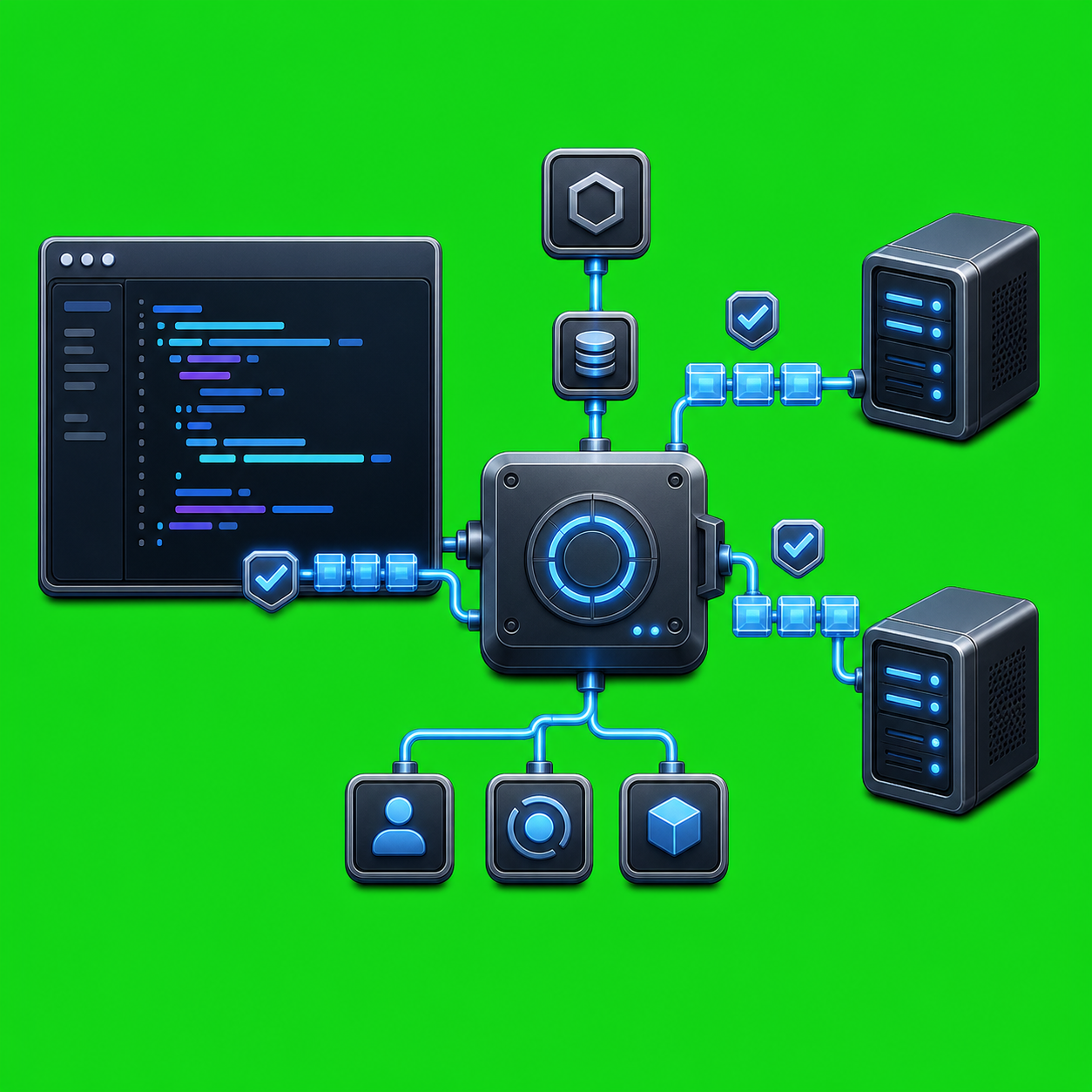
Create, Send, Receive, Discover: The Core AxiOwl Workflow AxiOwl's core workflow is built around four verbs: create a provider session, send a message to a known session, receive a reply through MCP, and discover provider sessions when the local routing table needs repair. In the current C++ implementation, those verbs are not marketing labels. They […]
How the AxiOwl Registry Keeps Agent Identity Stable
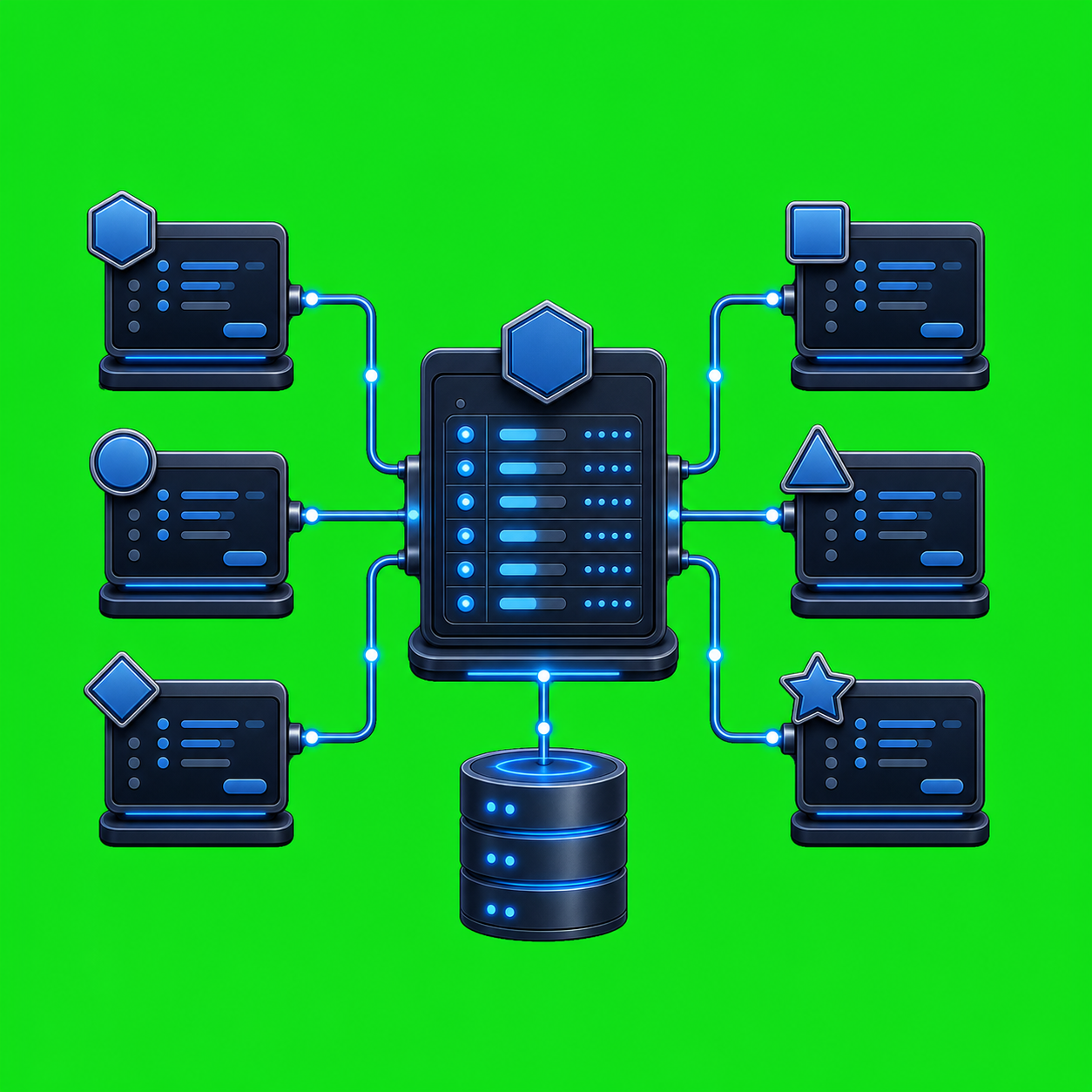
How the AxiOwl Registry Keeps Agent Identity Stable When one AI session sends a message to another, the easy part is the visible name. The hard part is knowing which live provider session that name means, whether the chat title has changed, whether two sessions share the same title, and where a reply should go. […]
How AxiOwl Discovers Existing Agents and Sessions
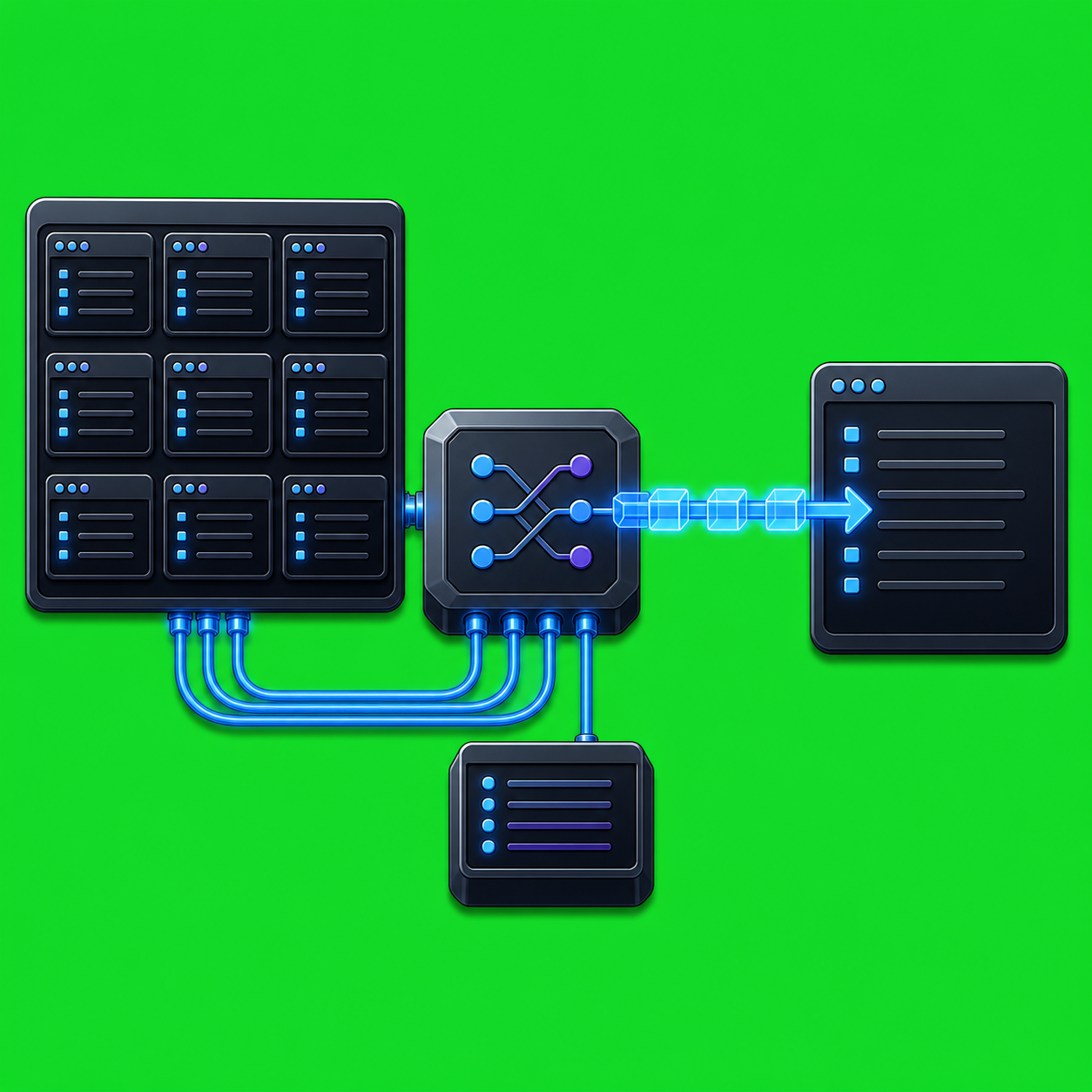
How AxiOwl Discovers Existing Agents and Sessions AxiOwl discovers existing agents by turning provider-specific session evidence into a local routing registry. It does not assume that every chat file, window, database row, or CLI history entry is safe to send to. The current C++ implementation looks for provider-owned session identifiers, checks whether the row proves […]
How AxiOwl Changes Models Without Rebuilding the Workflow
How AxiOwl Changes Models Without Rebuilding the Workflow AxiOwl does not make every AI provider look like one giant model picker. The implementation is more practical than that: AxiOwl keeps the workflow stable while routing work to named provider sessions. When a provider edge supports model selection, AxiOwl passes that choice at the point where […]
How AxiOwl Receives Replies From Agents

How AxiOwl Receives Replies From Agents AxiOwl receives a reply from an agent when that agent sends a new AxiOwl message back through the MCP tool. It is not chat scraping, hidden shared memory, or a guessed return path. The receiver sees a visible instruction in the delivered message, calls axiowl_send_message, and AxiOwl uses the […]
How AxiOwl Sends Messages Between Agents

How AxiOwl Sends Messages Between Agents AxiOwl does not treat an agent-to-agent message as a loose chat copy operation. The current C++ implementation routes every normal send through a small set of explicit boundaries: a CLI or MCP request enters AxiOwl, sender and target identity are resolved, the final visible body is built, provider delivery […]
How AxiOwl Creates New Agent Sessions

How AxiOwl Creates New Agent Sessions AxiOwl treats a new agent session as a provider-owned object that must be created, correlated, and saved before it becomes a reliable target. The important detail is that AxiOwl does not pretend every provider has the same create API. It exposes one user-facing create surface, then hands the request […]