How Separate Agent Contexts Protect Strategic Reasoning
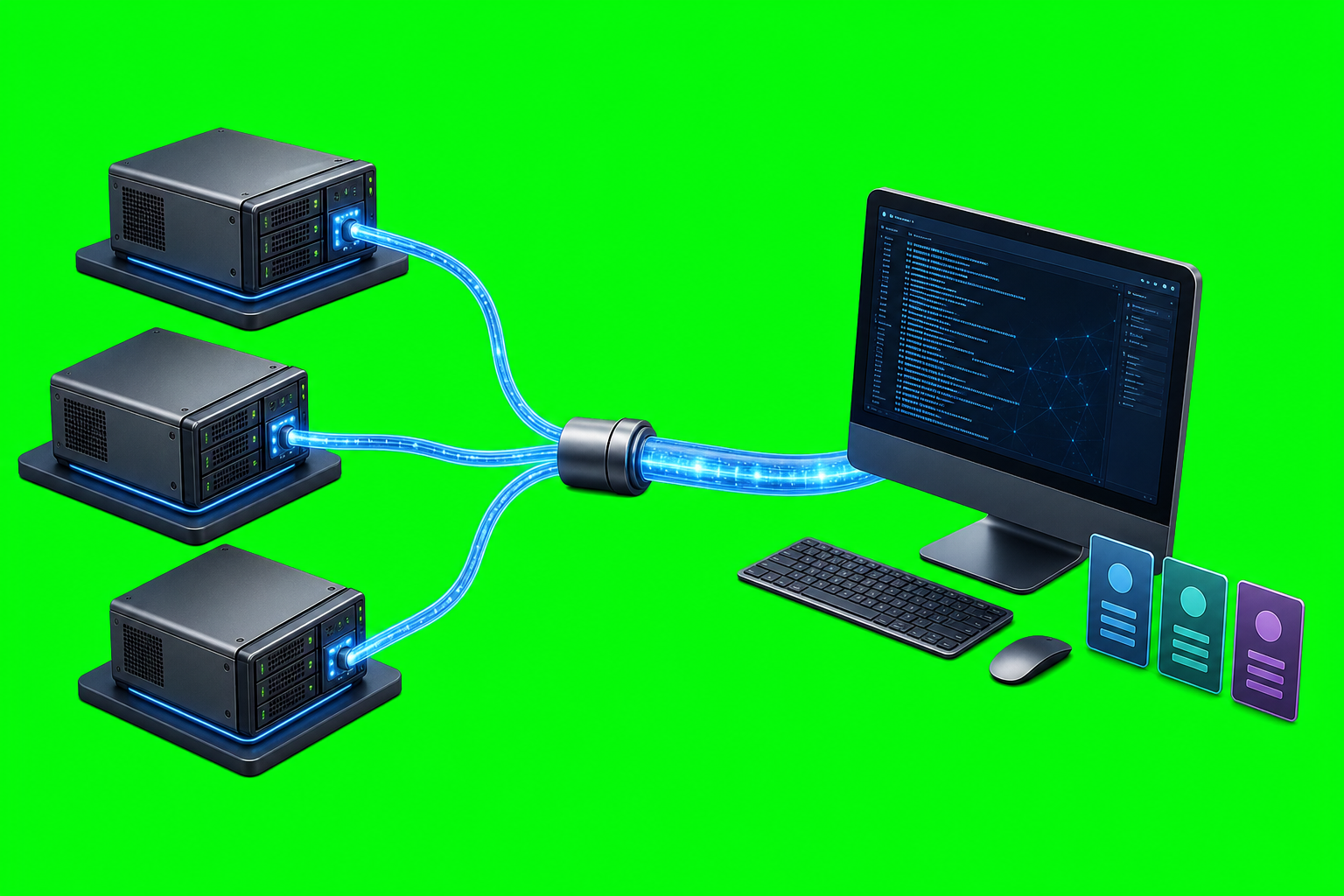
How Separate Agent Contexts Protect Strategic Reasoning Strategic reasoning gets fragile when every role is forced through one crowded conversation. A planning thread accumulates assumptions, partial decisions, discarded options, and momentum. That can be useful for continuity, but it can also make review weaker: the same context that produced a plan is already biased toward […]
Keeping the Original Plan Clean While Another Agent Handles Command Trial and Error
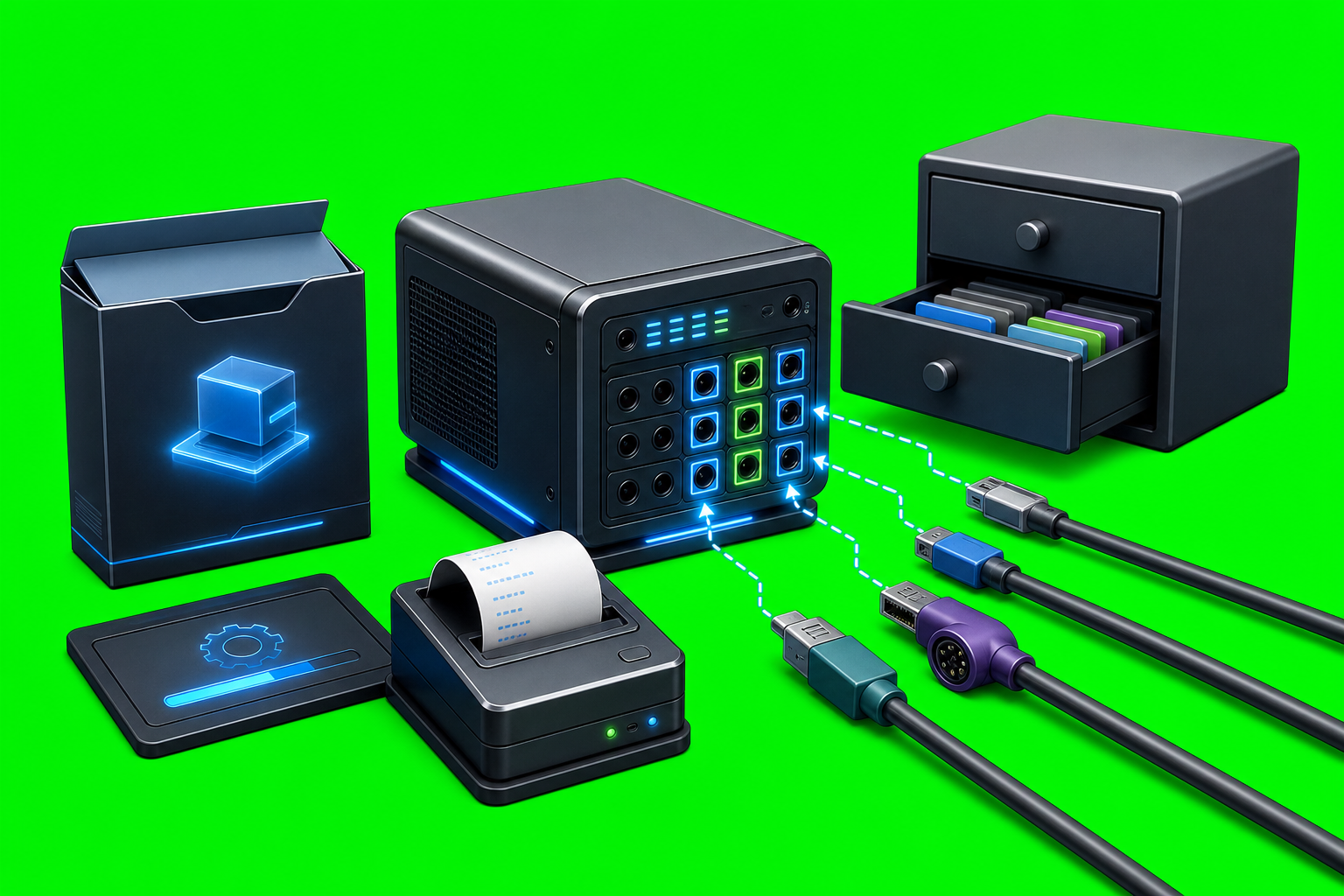
Keeping the Original Plan Clean While Another Agent Handles Command Trial and Error A good plan can get buried under command experiments. One minute the plan is crisp: check the source, change one path, run the focused test. Ten minutes later the same thread is full of quoting mistakes, failed shell syntax, half-correct paths, stale […]
Why AxiOwl Helps Prevent Implementation Drift

Why AxiOwl Helps Prevent Implementation Drift Implementation drift happens when a team starts with one clear plan, then loses track of who owns which step, which chat has the current context, whether a handoff actually happened, and whether a reply proves completion or only proves that a message was queued. In multi-agent work, that drift […]
How One Agent Can Track Drift While Another Agent Implements
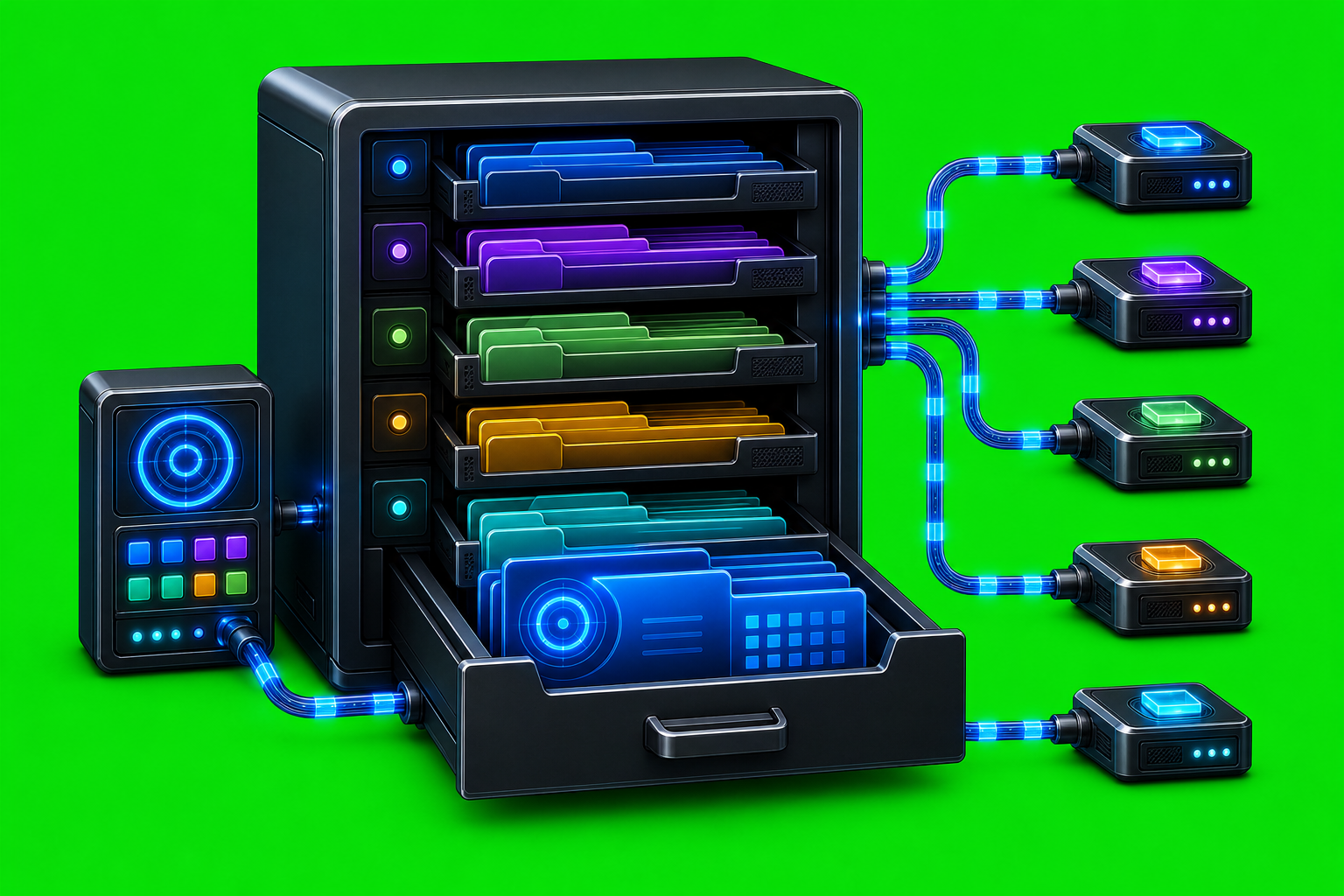
How One Agent Can Track Drift While Another Agent Implements When two AI agents work on the same project, the risk is not only that one of them makes a mistake. The larger operational risk is drift: the implementing agent starts moving away from the requested scope, the reviewer loses the exact handoff context, or […]
Why Independent Agent Contexts Improve Planning Quality
Why Independent Agent Contexts Improve Planning Quality Good planning gets worse when every viewpoint is collapsed into one running conversation. A single chat can hold a lot of context, but it also tends to blend assumptions, task framing, prior mistakes, and half-finished decisions into the same working memory. Independent agent contexts are useful because they […]
How AxiOwl Supports Multi-Agent Planning Without Merging Every Context
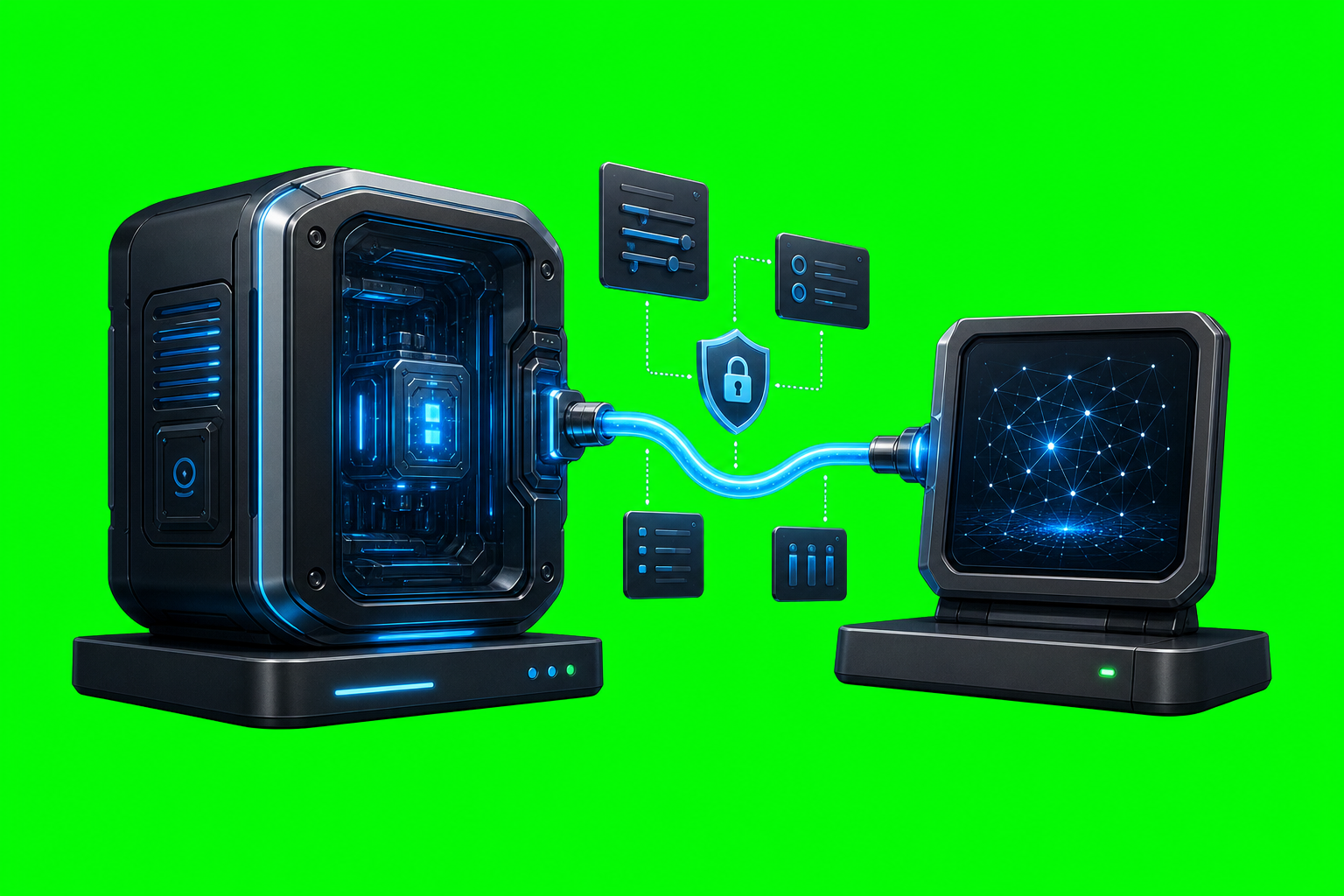
How AxiOwl Supports Multi-Agent Planning Without Merging Every Context Multi-agent planning works best when each participant can stay focused. A planning agent does not need every provider session to share one giant transcript. It needs a way to address the right session, send a specific task, receive a reply, and know which parts of that […]
Two Agents Are Better Than One for Planning
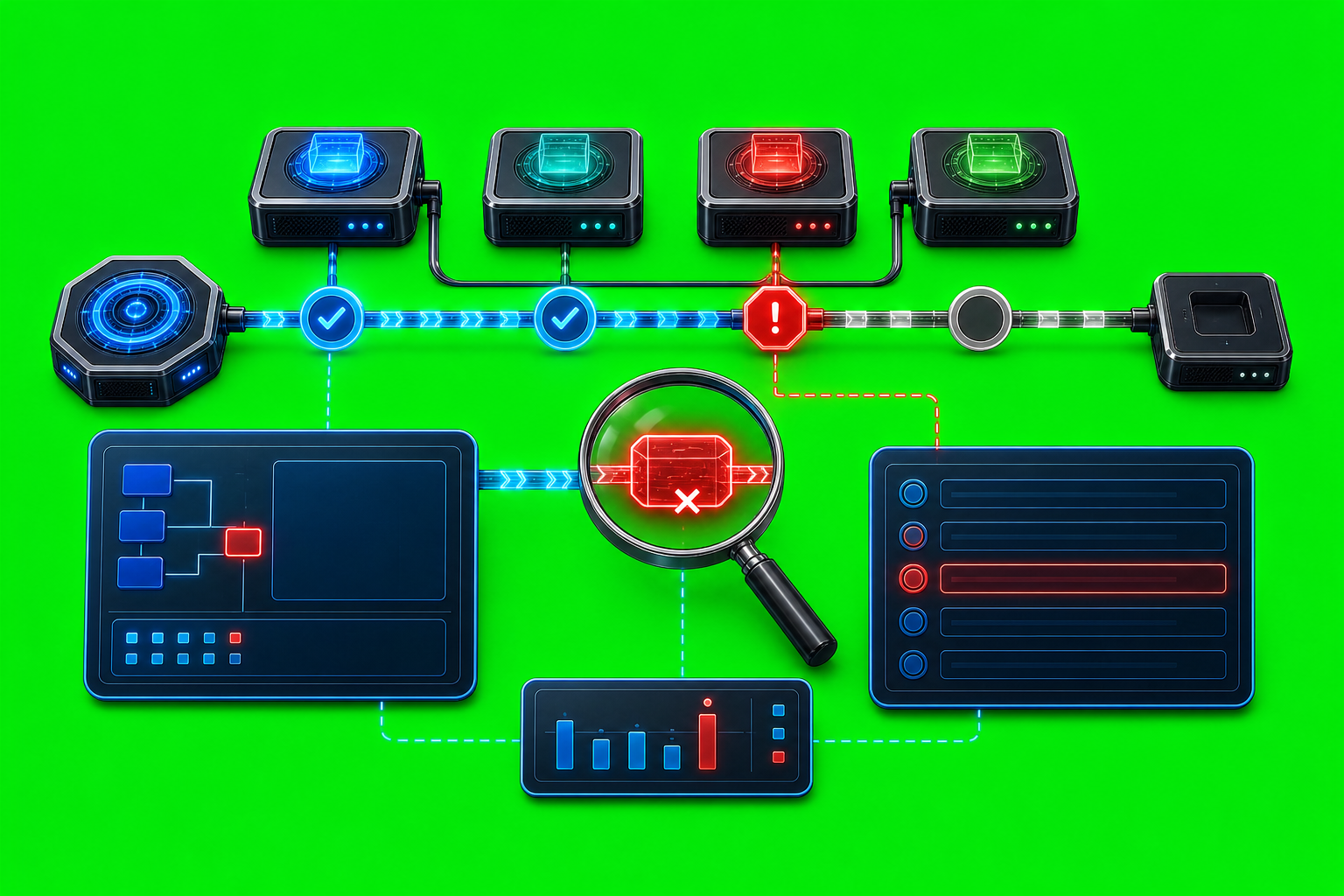
Two Agents Are Better Than One for Planning Planning improves when a second agent can look at the same objective from a different angle, but that only helps if the handoff is explicit. AxiOwl treats that handoff as a message between independent, named provider sessions. One session can ask another session to review a plan, […]
Why Provider Switching Matters for Real AI Operations

Why Provider Switching Matters for Real AI Operations Provider switching matters because real AI work does not happen inside one perfect chat box. Operators move between Codex, VS Code, Cursor, Antigravity, Copilot, Claude Code, OpenCode, and remote or local execution surfaces because each one has different access, state, tools, auth, UI behavior, and failure modes. […]
How AxiOwl Lets Work Continue When One Provider Hits a Limit
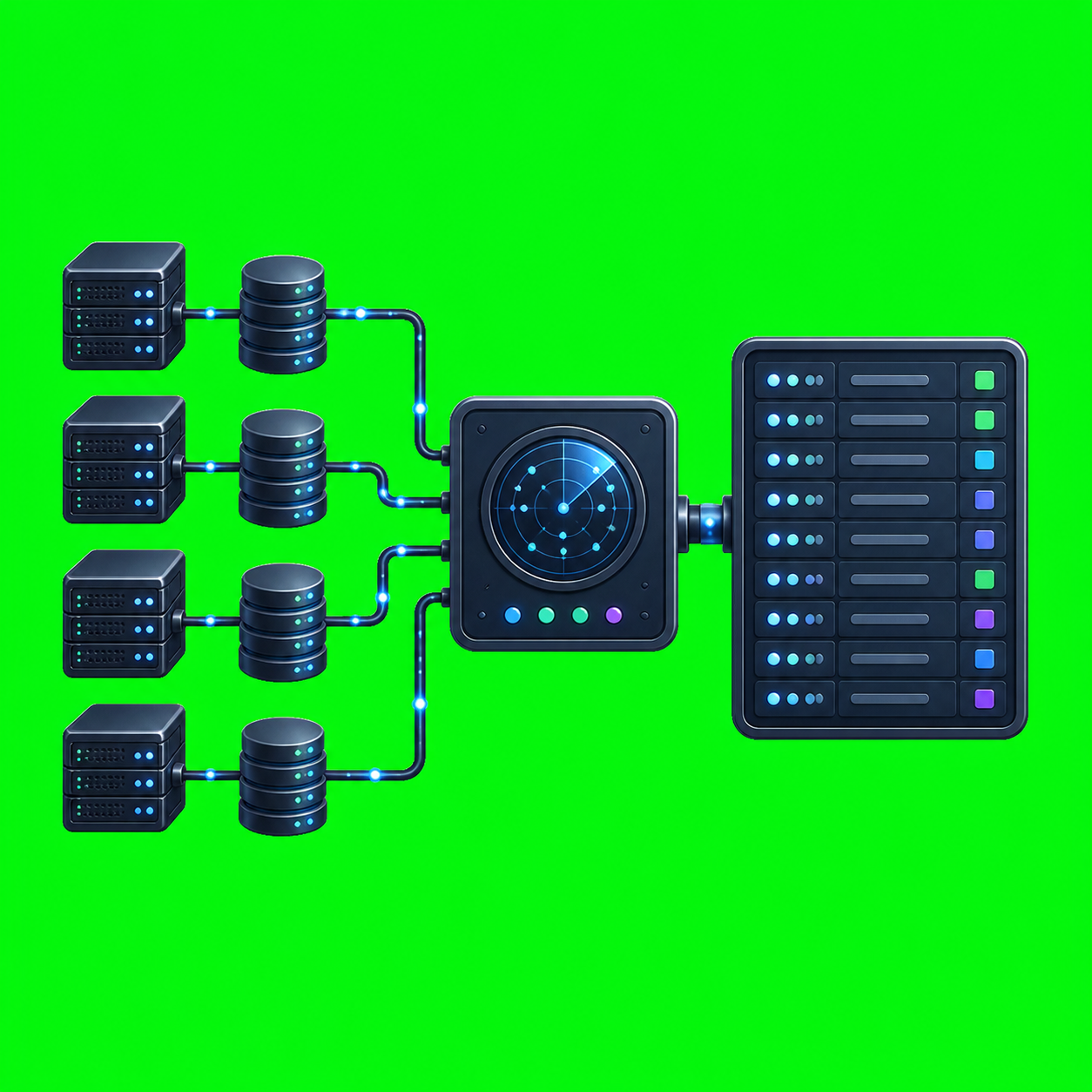
How AxiOwl Lets Work Continue When One Provider Hits a Limit Provider limits are operational facts, not routing features. AxiOwl does not bypass a provider's quota, refill an account, or secretly retry a failed message through a different AI service. What it does provide is more practical: a local address book of real provider sessions, […]
How to Change Provider When Quota Runs Out
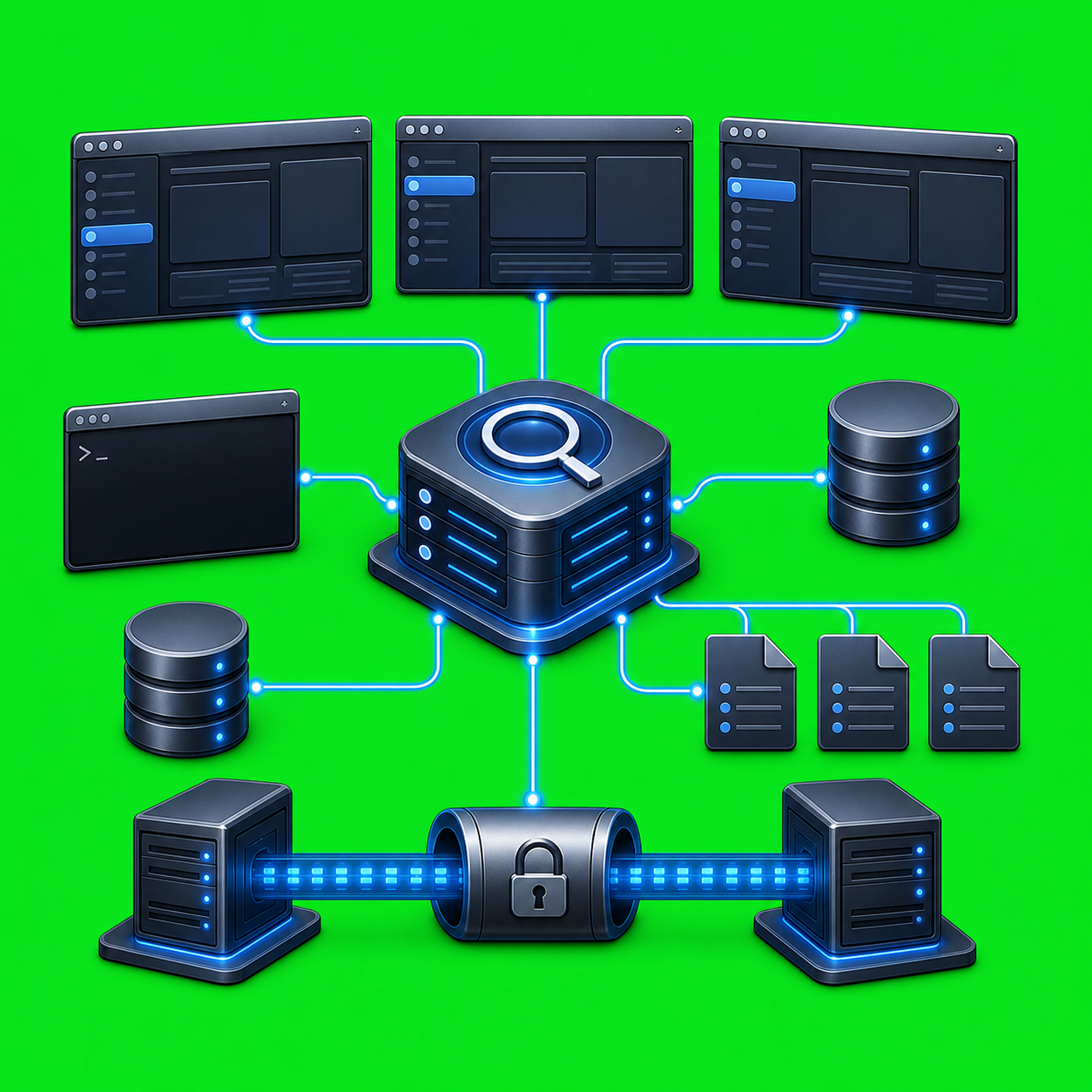
How to Change Provider When Quota Runs Out When a provider runs out of quota, the first thing to know is what AxiOwl does and does not control. AxiOwl does not refill a provider account, bypass provider limits, or silently move a message to a different AI service. Its current implementation routes a message to […]