Why AxiOwl Does Not Require Public Manager Ports
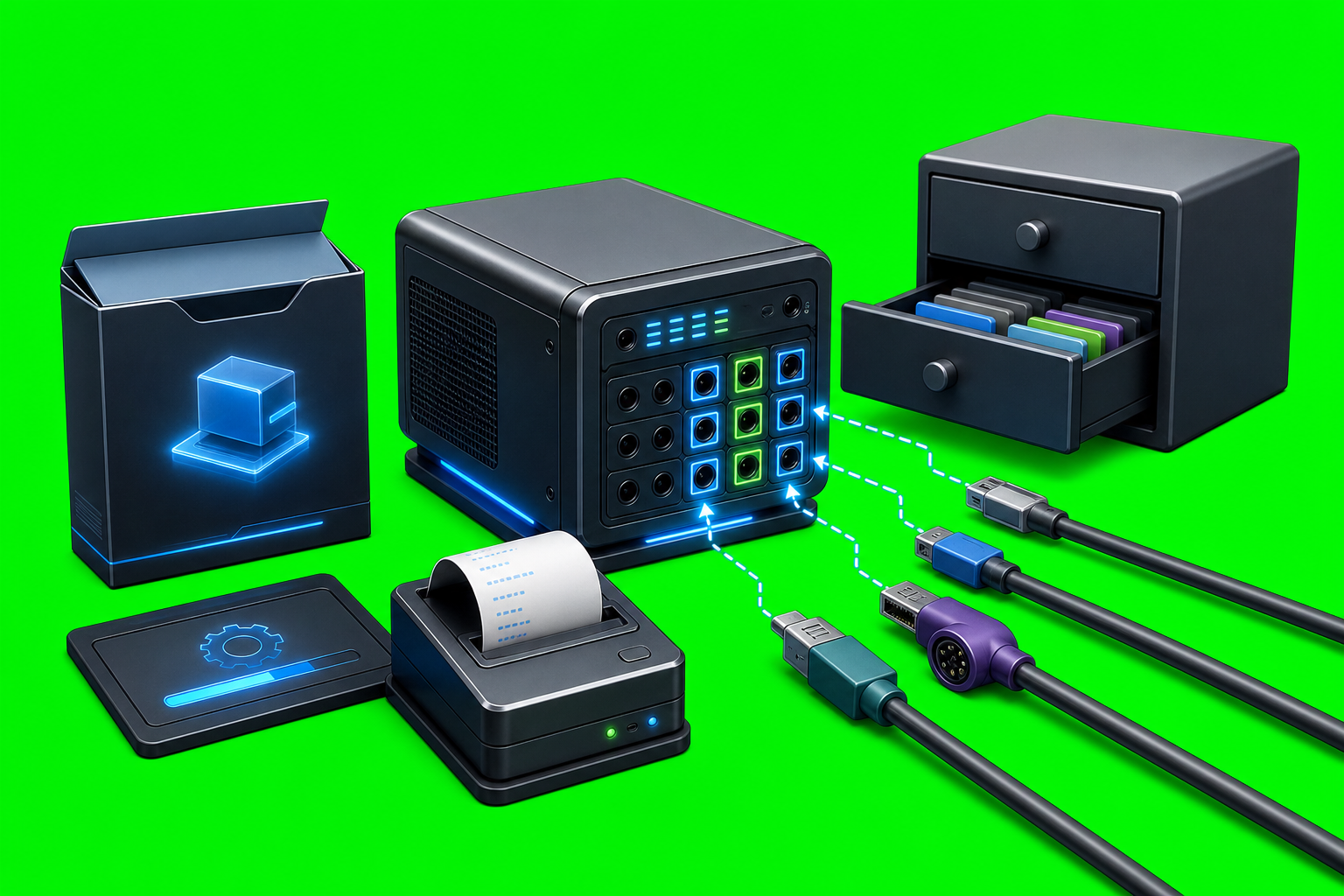
Why AxiOwl Does Not Require Public Manager Ports AxiOwl is designed around local coordination, provider-owned identity, and explicit handoffs. That matters operationally because the system does not need a publicly reachable "manager" service to let supported AI provider sessions send messages through AxiOwl. The current product shape uses a Windows local coordinator, provider integrations, MCP […]
AxiOwl Security Model Explained
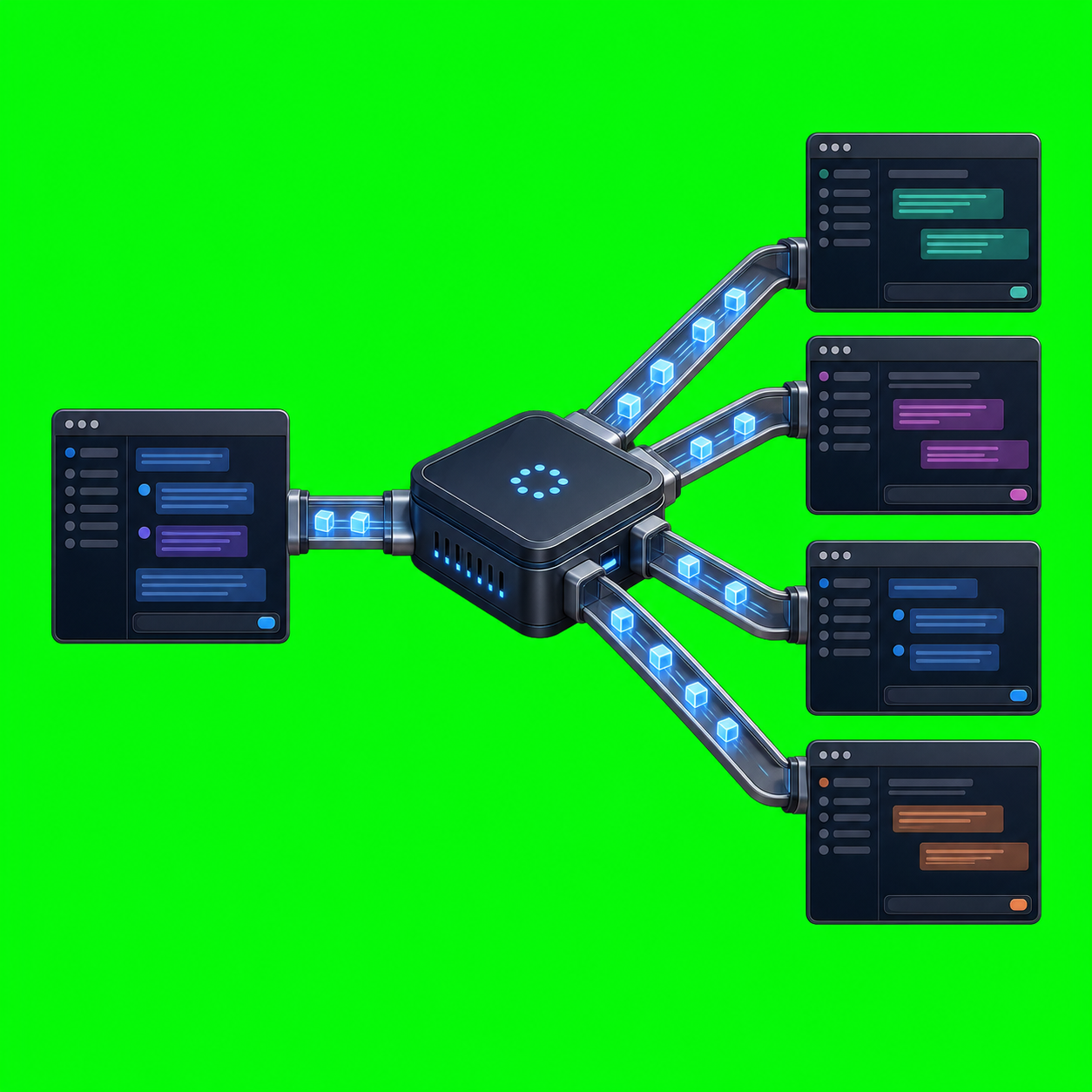
AxiOwl Security Model Explained AxiOwl is designed as a local coordinator for AI provider sessions. Its security model starts from that constraint: the tool should know which local provider sessions exist, route messages only to selected and registered targets, preserve enough identity metadata for replies, and make failures visible instead of pretending a weak path […]
How to Diagnose AxiOwl PATH and Installer Problems

How to Diagnose AxiOwl PATH and Installer Problems When AxiOwl fails right after installation, the first question is usually simple: did Windows find the right axiowl.exe, and did the installer actually install the pieces for the provider you are trying to use? Those are related problems, but they are not the same problem. PATH tells […]
How to Keep AxiOwl Running Across Multiple Machines

How to Keep AxiOwl Running Across Multiple Machines AxiOwl is built around a practical idea: agents and provider sessions live where they actually run. A Windows workstation, a Linux desktop, and a remote Linux node should not pretend to be one magic process. Each machine needs its own AxiOwl state, its own provider discovery, and […]
How to Avoid Repeating Failed Commands With AxiOwl Telemetry
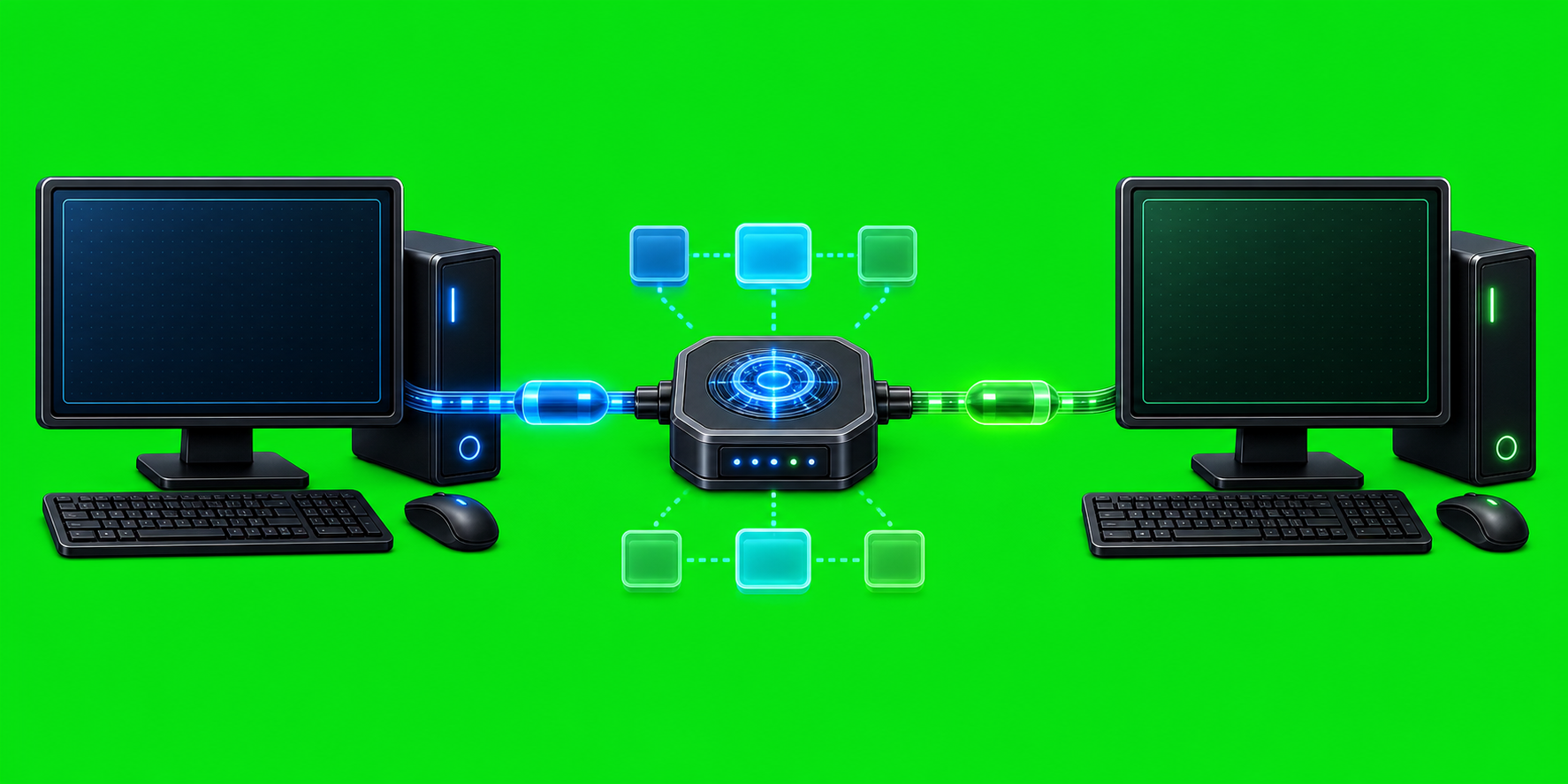
How to Avoid Repeating Failed Commands With AxiOwl Telemetry The fastest way to waste time with agent tooling is to rerun the same failed command without learning why it failed. AxiOwl is built to make that less likely. Its send path records structured evidence, prints receipt boundaries, and exposes log locations so an operator can […]
How to Recover From a Broken Provider Bridge
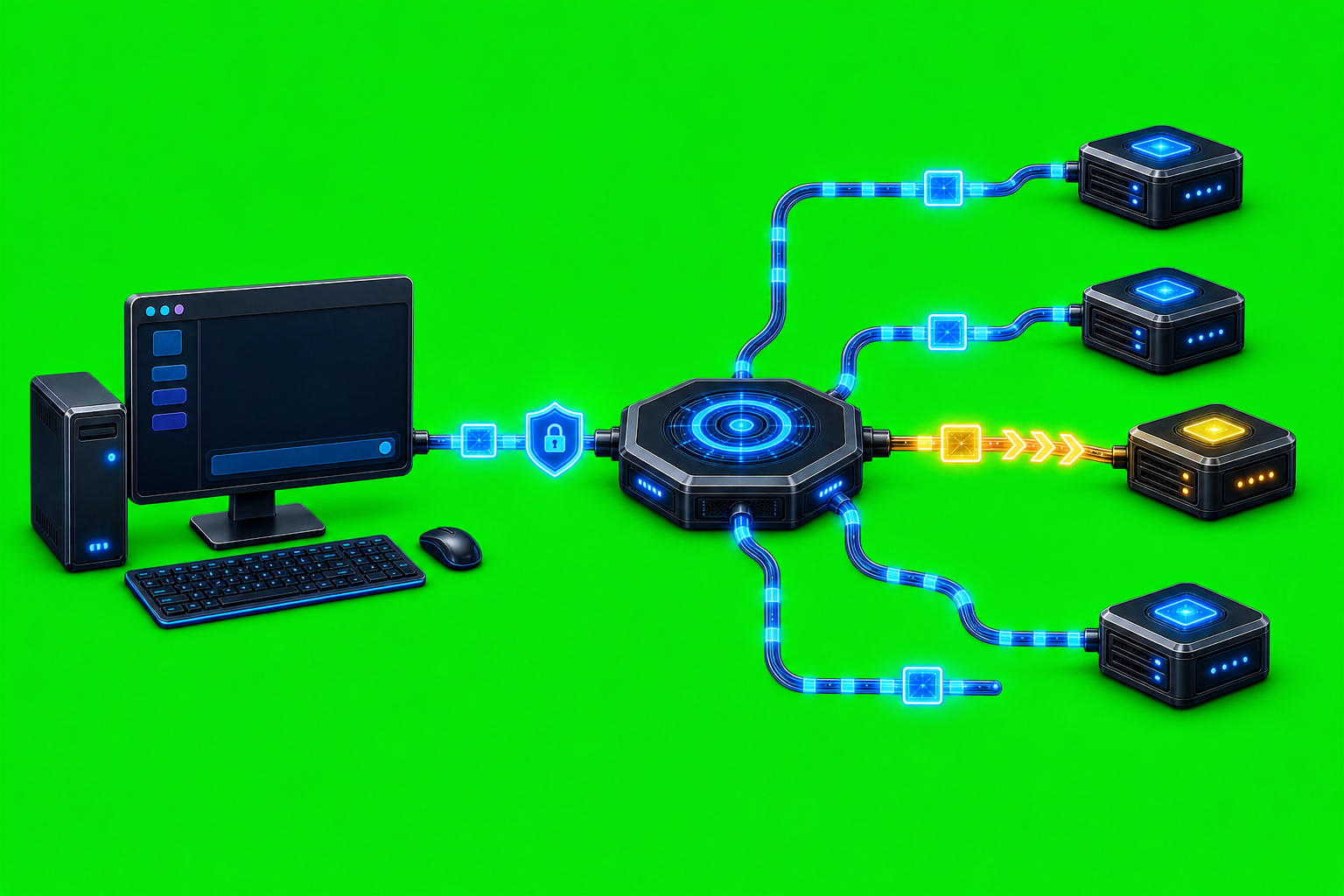
How to Recover From a Broken Provider Bridge A broken provider bridge is not one single failure. In AxiOwl, it can mean the provider extension did not load, the MCP config is stale, a registry row points at the wrong session, a patch is missing, the provider app was not restarted, or the target accepted […]
How to Confirm Which Agents Are Active

How to Confirm Which Agents Are Active When an AxiOwl operator asks which agents are active, the practical question is not just "what names are saved somewhere?" The real question is: which provider sessions does AxiOwl currently consider usable as message targets, and what evidence supports that decision? AxiOwl answers that through a durable local […]
How to Read AxiOwl Evidence Logs
How to Read AxiOwl Evidence Logs AxiOwl evidence logs are the operator's audit trail for what the local coordinator accepted, resolved, rejected, handed off, or proved. They are not generic application noise. They are structured newline-delimited JSON records that let you reconstruct the path of a message or create request across registry resolution, sender identity, […]
How to Repair AxiOwl Provider Integrations
How to Repair AxiOwl Provider Integrations Provider integration repair in AxiOwl is not a matter of blindly retrying the same send until something appears in a chat. AxiOwl has a stricter model: it discovers real provider sessions, records them in a durable local registry, resolves sender and target identity, runs a targeted discovery repair when […]
How to Troubleshoot AxiOwl Message Delivery
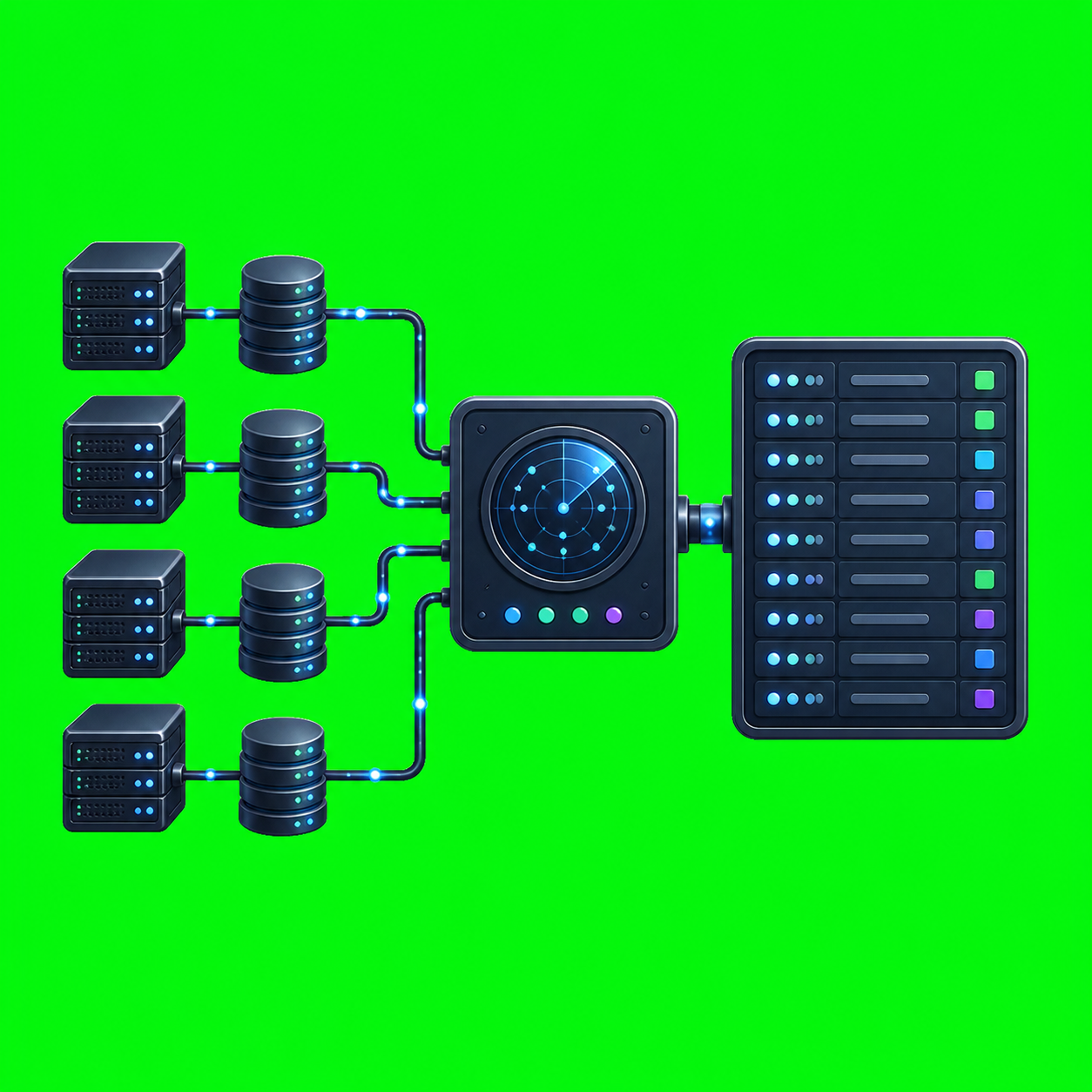
How to Troubleshoot AxiOwl Message Delivery Troubleshooting AxiOwl message delivery starts with one discipline: separate the stages. An install can succeed while discovery is stale. A registry row can exist while the target is not sendable. A command can return accepted_by_axiowl while provider delivery, provider wake-up, and a recipient reply are still unproven. That distinction […]