How to Verify an AxiOwl Node
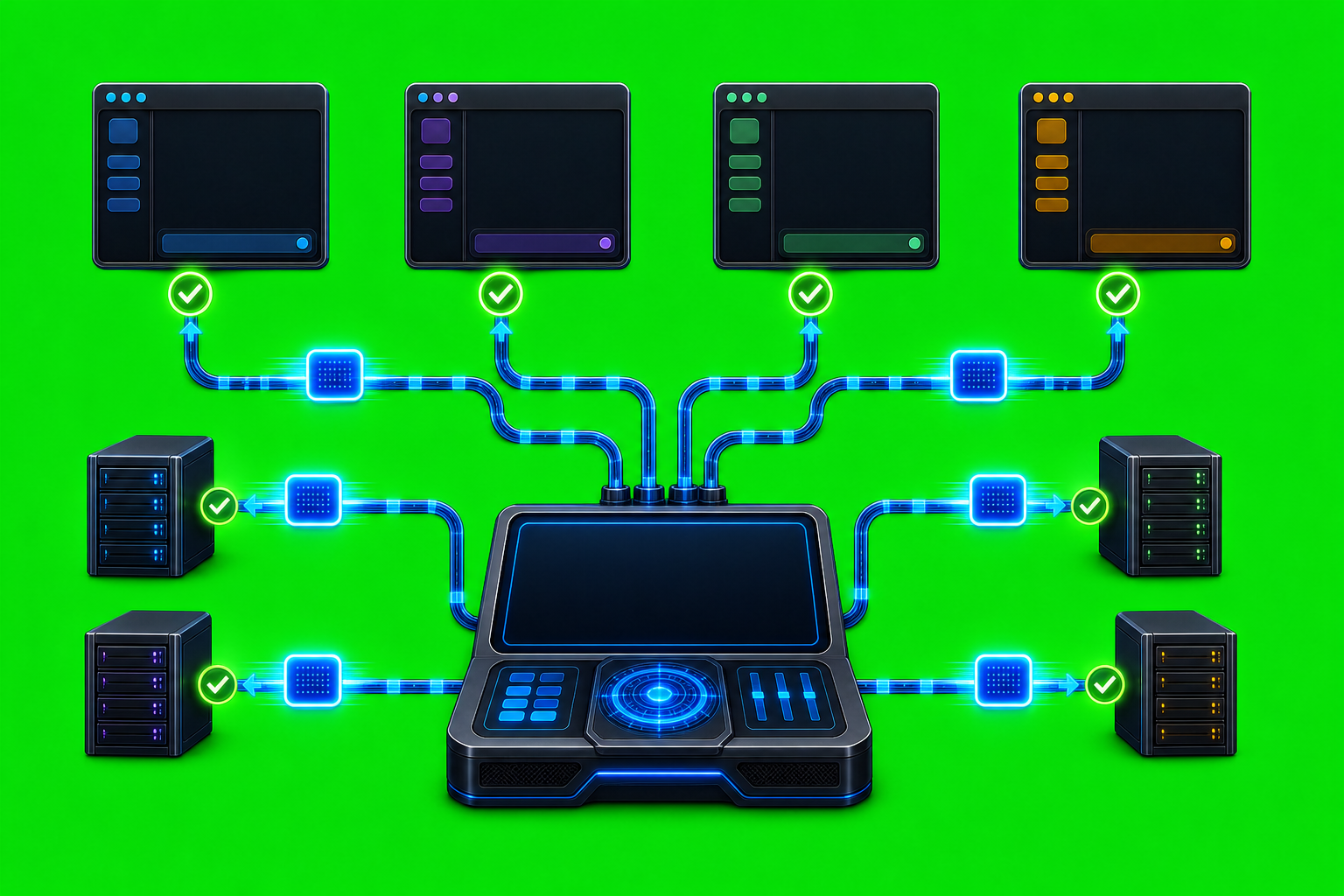
How to Verify an AxiOwl Node Verifying an AxiOwl node means proving more than "a hostname exists." A remote node has to be reachable over SSH, recorded in AxiOwl's node registry, running the expected AxiOwl binary, and, when it is a Codex remote endpoint, able to expose the AxiOwl MCP tool surface that lets messages […]
How to Monitor AxiOwl Health
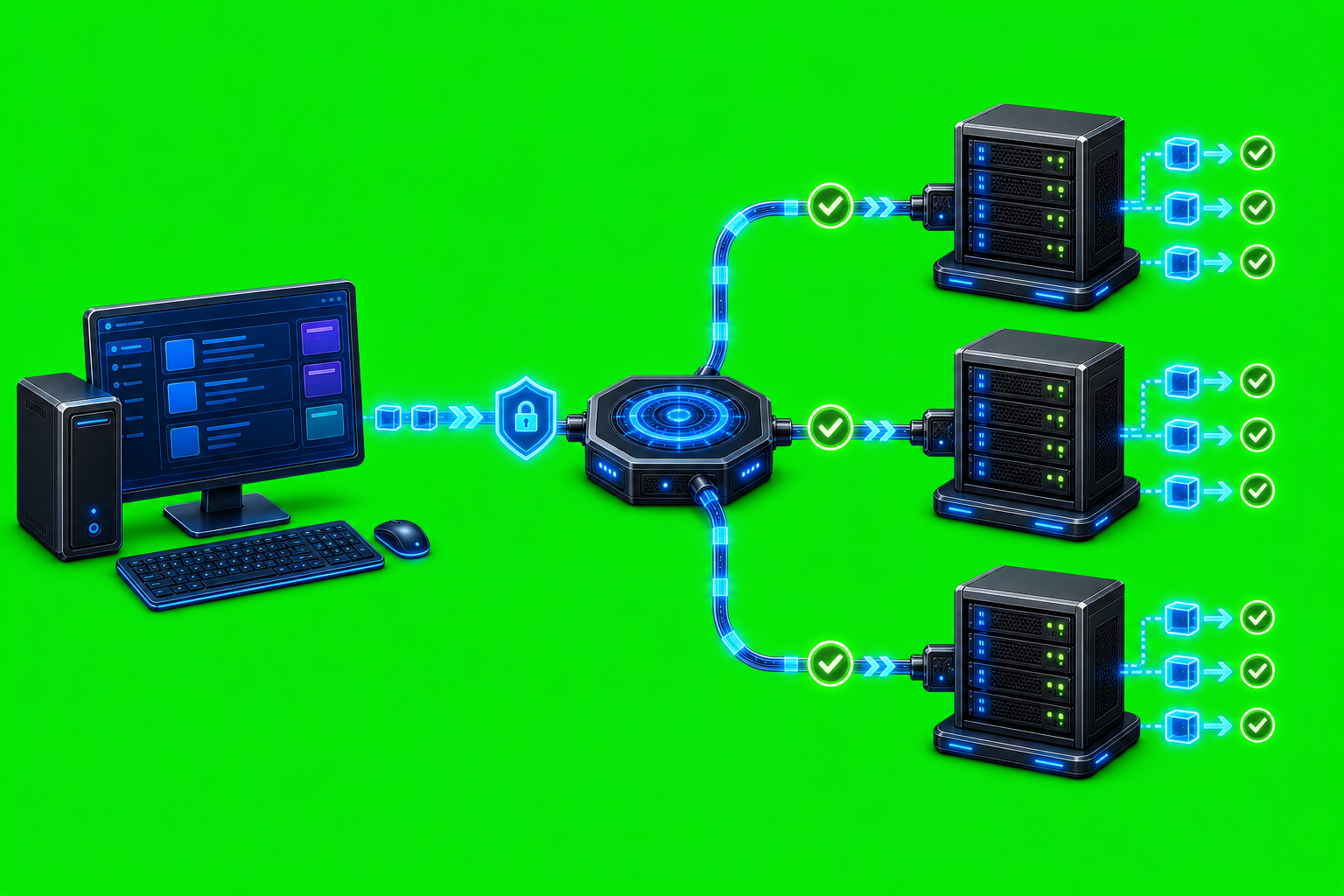
How to Monitor AxiOwl Health Monitoring AxiOwl health means checking whether the local coordinator can prove what it knows, what it can reach, and what happened to recent messages. The current C++ implementation is built around a CLI, an MCP server, provider-specific delivery edges, a durable registry, provider discovery, and JSONL evidence logs. A healthy […]
The AxiOwl Messaging Model

The AxiOwl Messaging Model AxiOwl's messaging model is deliberately small: one sender, one target, one body, one selected provider edge, and one honest receipt. That constraint matters because AxiOwl is not just moving text between two identical chat windows. It is coordinating messages across provider sessions, local and remote nodes, MCP tools, CLI commands, registry […]
How AxiOwl Turns Chat Sessions Into Addressable Work Surfaces

How AxiOwl Turns Chat Sessions Into Addressable Work Surfaces Most AI chat tools treat a conversation as something a human opens, reads, and types into. That is fine for one person working in one window. It is a poor fit when multiple provider sessions need to hand work to each other, reply with identity, and […]
How AxiOwl Makes Agent Workflows Scriptable
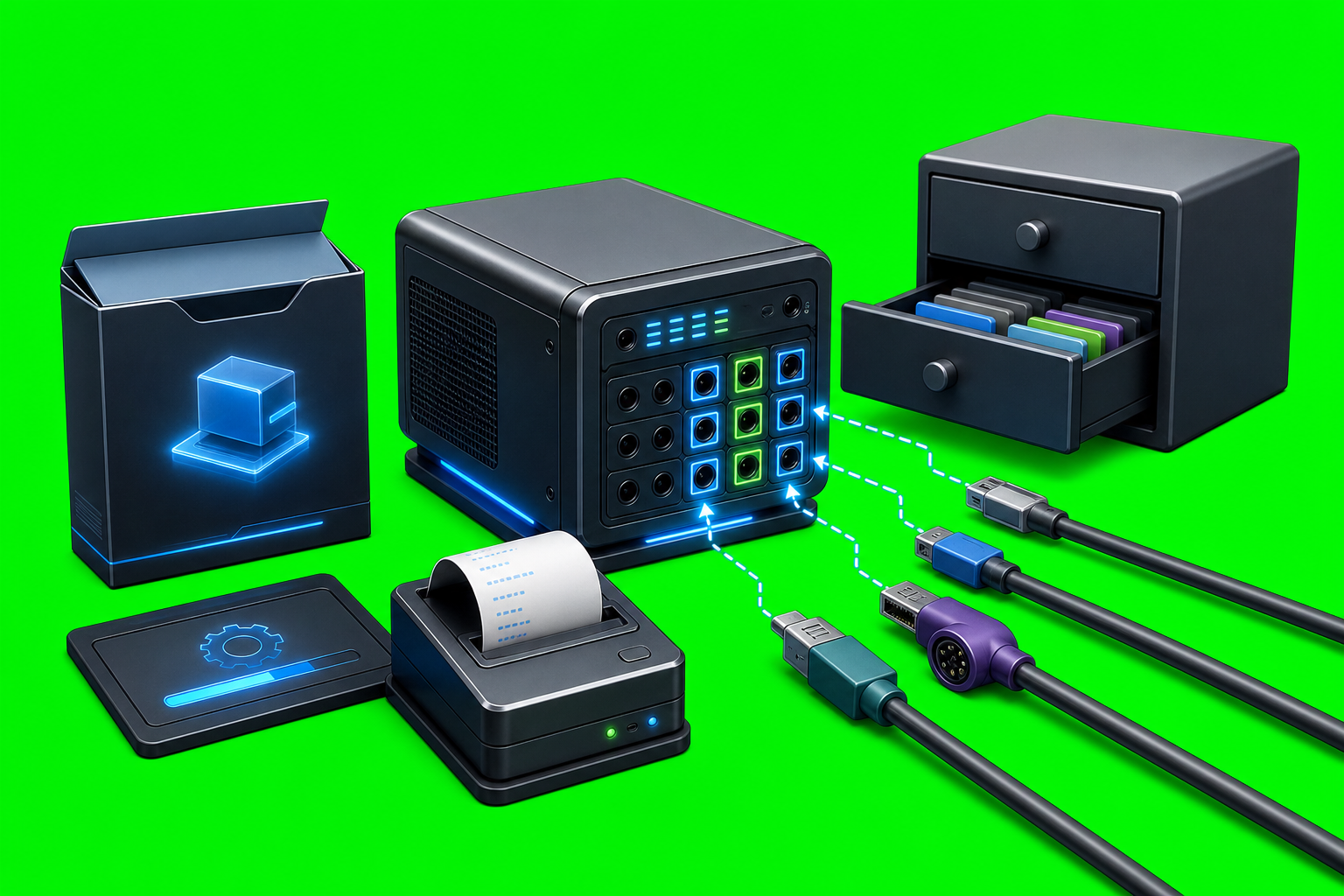
How AxiOwl Makes Agent Workflows Scriptable AxiOwl makes agent workflows scriptable by turning agent-to-agent coordination into explicit commands, registry records, MCP tools, and evidence logs. Instead of treating every provider chat as a manual UI target, AxiOwl gives operators a command surface for discovering sessions, creating chats, sending messages, and checking what was accepted by […]
How AxiOwl Keeps Provider Bugs Isolated
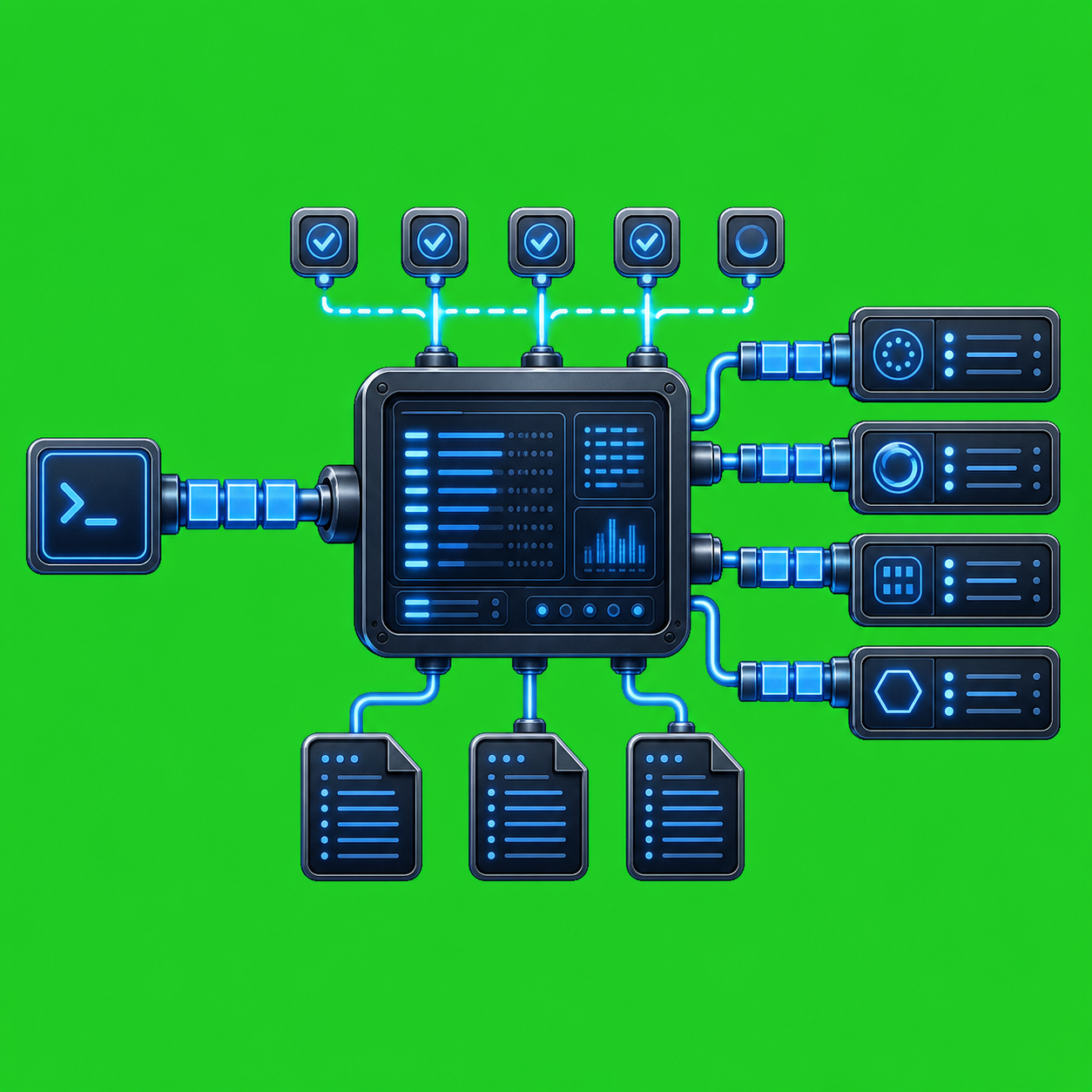
How AxiOwl Keeps Provider Bugs Isolated Provider integrations fail in different ways. A chat app can change a local database shape. A CLI can start returning a new error format. A bridge extension can register the wrong window. A patch-sensitive surface can become unsafe after an update. AxiOwl is built around the assumption that those […]
How AxiOwl Handles Remote Nodes Safely
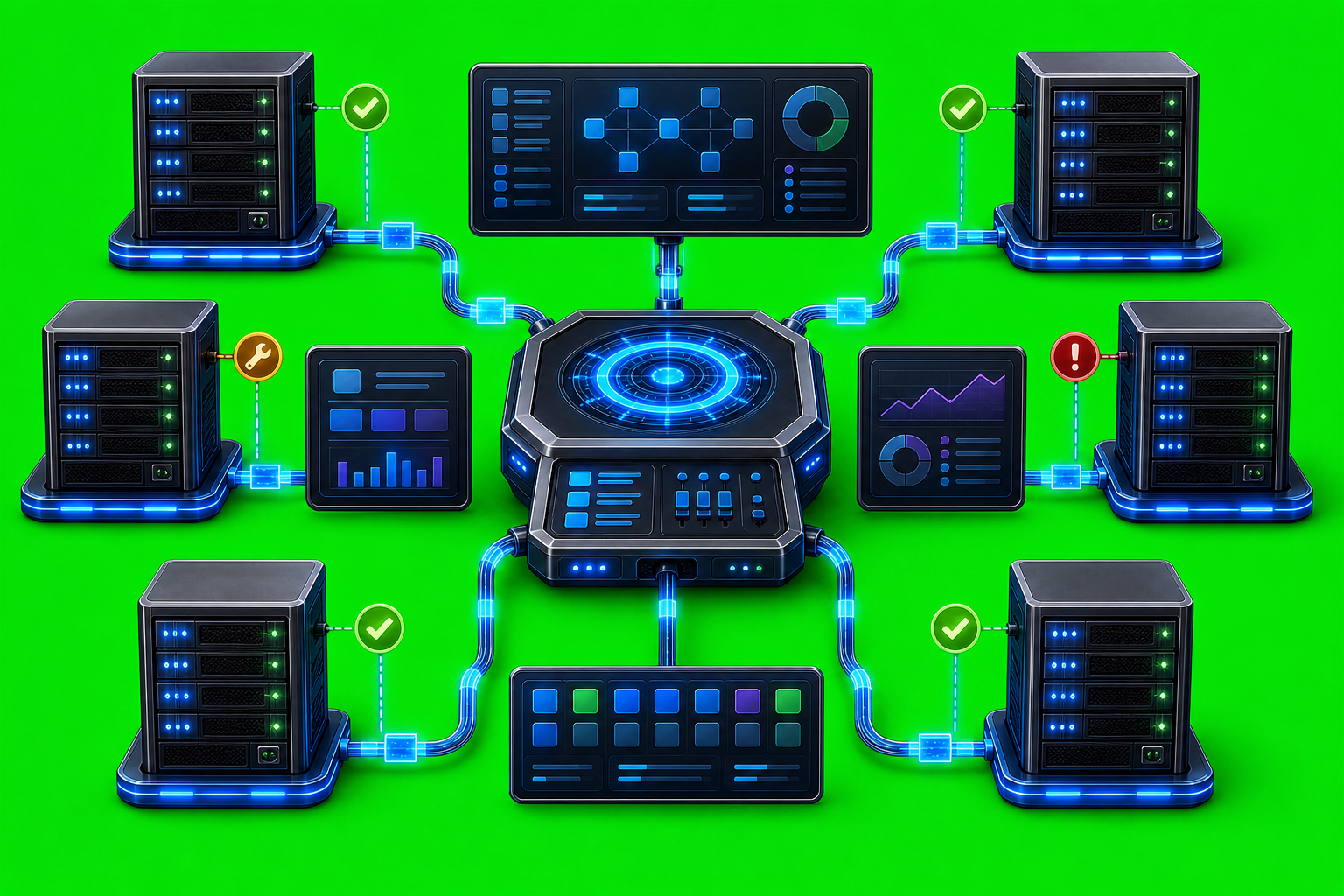
How AxiOwl Handles Remote Nodes Safely Remote automation is useful only when it is explicit. A remote node can extend an operator's reach from a local Windows coordinator to a Linux machine, but that same reach becomes risky if it turns into an invisible fallback, a stale host entry, or a background deployment path that […]
Why AxiOwl Avoids Open Inbound Manager Ports
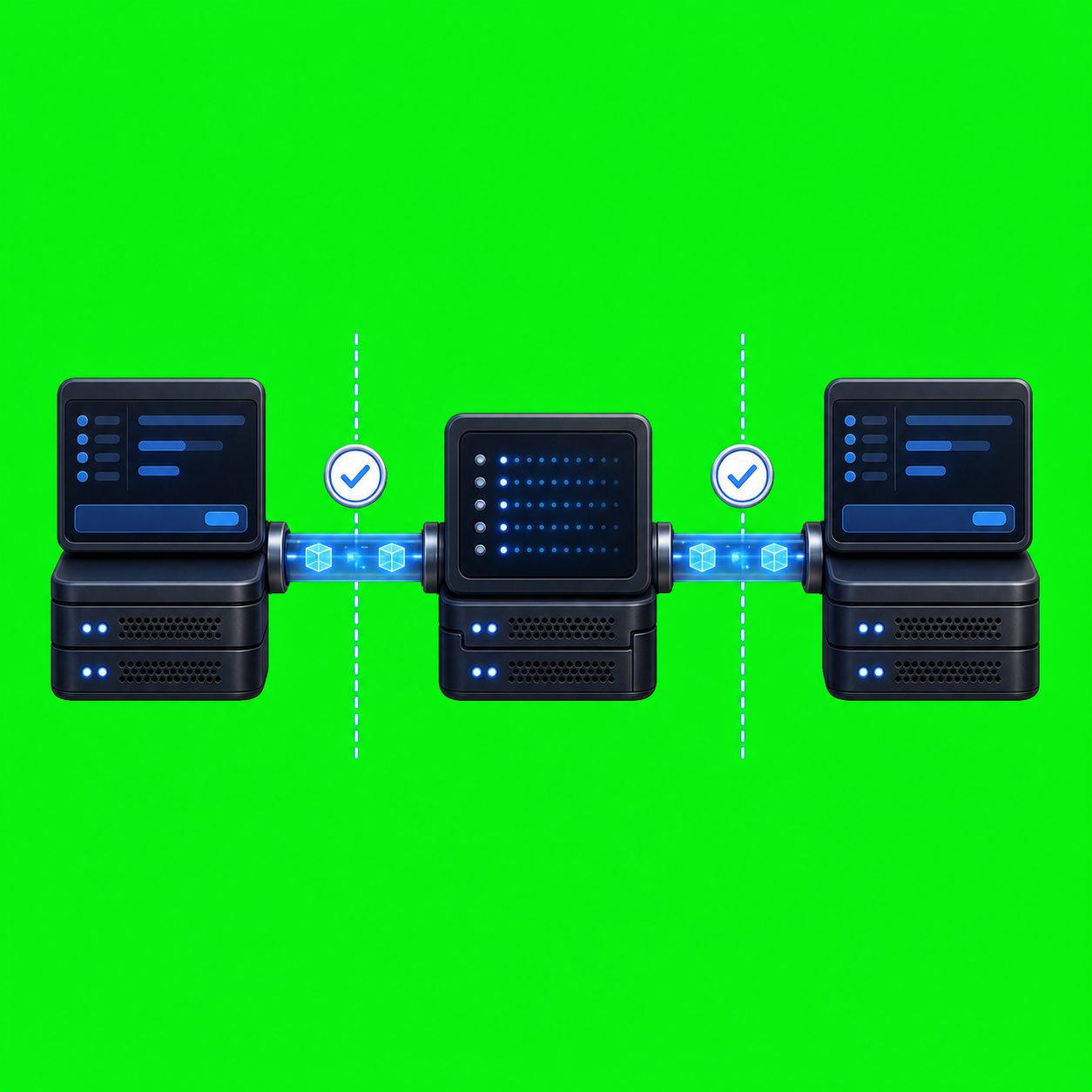
Why AxiOwl Avoids Open Inbound Manager Ports Open inbound manager ports are tempting in agent systems because they make routing look simple. Put a manager on a network port, let every node call it, and treat the manager as the center of the system. AxiOwl takes a different path. Its current design keeps coordination local, […]
Why AxiOwl Uses SSH for Remote Routing

Why AxiOwl Uses SSH for Remote Routing Remote routing in AxiOwl is not built around a public network service. The current Windows desktop line treats the Windows build as the local coordinator and registry owner, then reaches Linux remote nodes through SSH. On the Linux side, AxiOwl exposes a small command surface: axiowl relay-session –stdio, […]
Why AxiOwl Separates Local Acceptance From Provider Acceptance
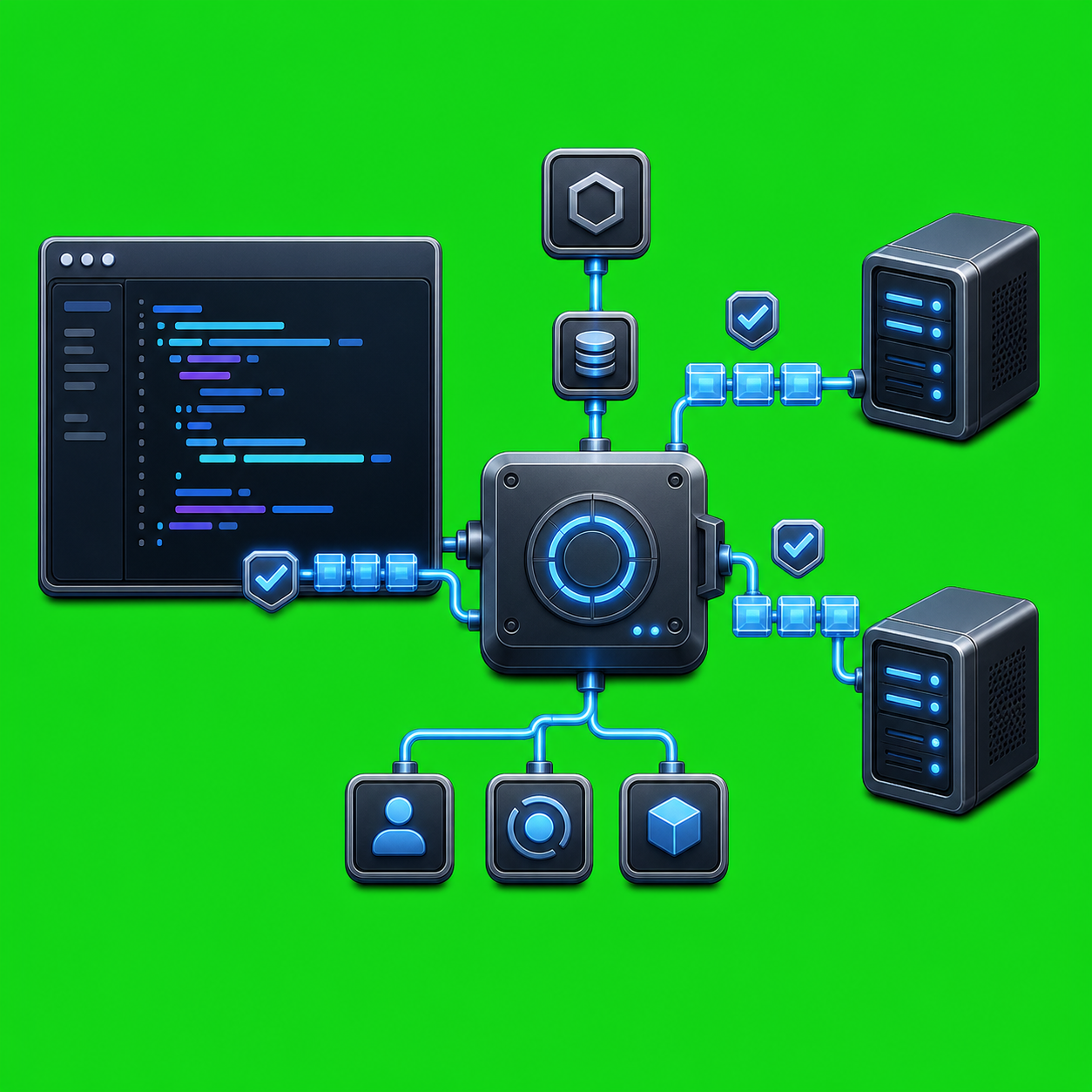
Why AxiOwl Separates Local Acceptance From Provider Acceptance When one AI agent sends a message to another, "sent" is not one event. A local router can accept a request, validate it, resolve the target, and create a receipt before the target provider has actually accepted the message. AxiOwl keeps those facts separate because collapsing them […]