How to Add a Remote Node to AxiOwl

How to Add a Remote Node to AxiOwl A remote node in AxiOwl is a Linux machine that the Windows AxiOwl coordinator can reach over SSH and use as a remote Codex delivery endpoint. The important part is not just that the host exists. AxiOwl needs a registered node row, a verified SSH path, a […]
How to Create Your First Named Agent

How to Create Your First Named Agent A named agent in AxiOwl is a sendable target you can refer to by a human-readable name instead of by a raw provider session ID. That name is not just cosmetic. AxiOwl stores it in its local registry with the provider, session ID, node, aliases, timestamps, and sendability […]
How to Send Your First Message Through AxiOwl

How to Send Your First Message Through AxiOwl Sending a first AxiOwl message is not just a chat command. In the current C++ implementation, a send goes through a small delivery pipeline: AxiOwl reads the target name, loads the local agent registry, resolves the target to a provider session, builds the visible message body, sends […]
How AxiOwl Is Different From a Normal AI Chat App

How AxiOwl Is Different From a Normal AI Chat App A normal AI chat app is usually built around one conversation: a person types into a chat window, one assistant answers in that same window, and the app treats that back-and-forth as the product. AxiOwl is built around a different job. It is a local […]
What AxiOwl Does and Does Not Do

What AxiOwl Does and Does Not Do AxiOwl is a local Windows coordinator for AI provider sessions. Its job is not to replace Codex, Cursor, VS Code, Copilot, Antigravity, or other providers. Its job is to give supported provider sessions a way to discover each other, address each other, send messages, and reply through a […]
What Is AxiOwl?
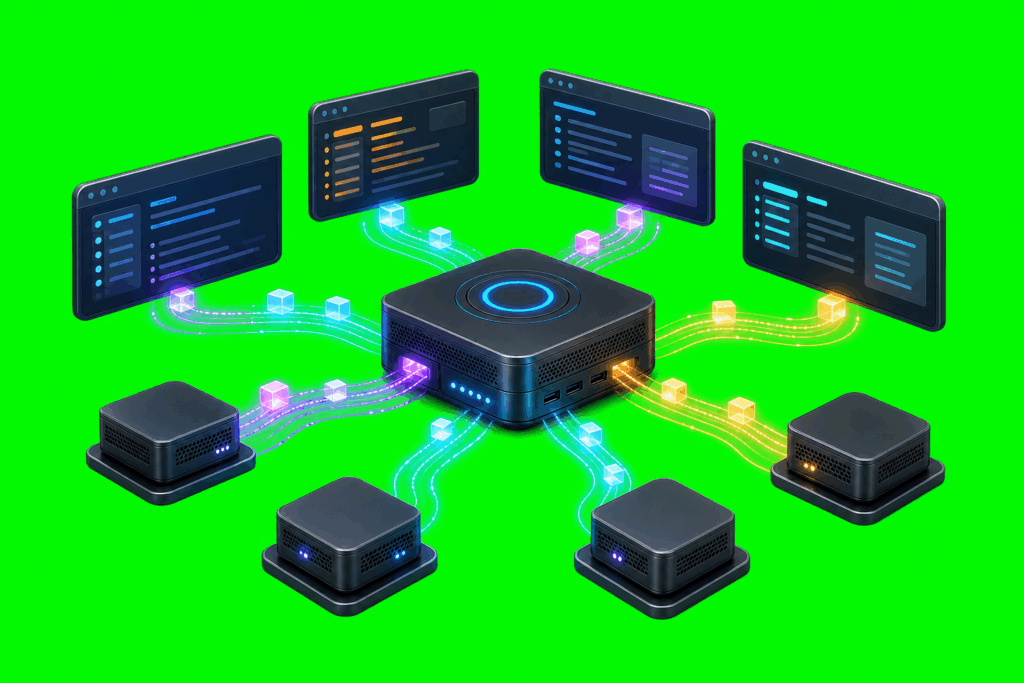
What Is AxiOwl? AxiOwl is a local Windows coordinator for sending messages between supported AI provider sessions. In practical terms, it lets one named agent chat send a text body to another named agent chat, while AxiOwl handles the local registry lookup, provider-specific delivery path, reply instructions, and evidence logging. That definition is intentionally narrow. […]