Safe Remote Automation With AxiOwl

Safe Remote Automation With AxiOwl Safe remote automation is not just "can this machine make another machine do work?" It is also "who selected that remote machine, how was it verified, what path carried the command, what did the remote side prove, and what does the local receipt actually mean?" AxiOwl's current C++ implementation treats […]
AxiOwl Trust Boundaries Explained

AxiOwl Trust Boundaries Explained A trust boundary is the line where software stops assuming and starts requiring proof. In AxiOwl, those lines are not abstract security slogans. They show up in the registry model, MCP sender identity handling, delivery receipts, provider adapters, remote-node routing, installer checkboxes, patch execution, and logs. That design matters because AxiOwl […]
How to Run AxiOwl Without Exposing Internal Services
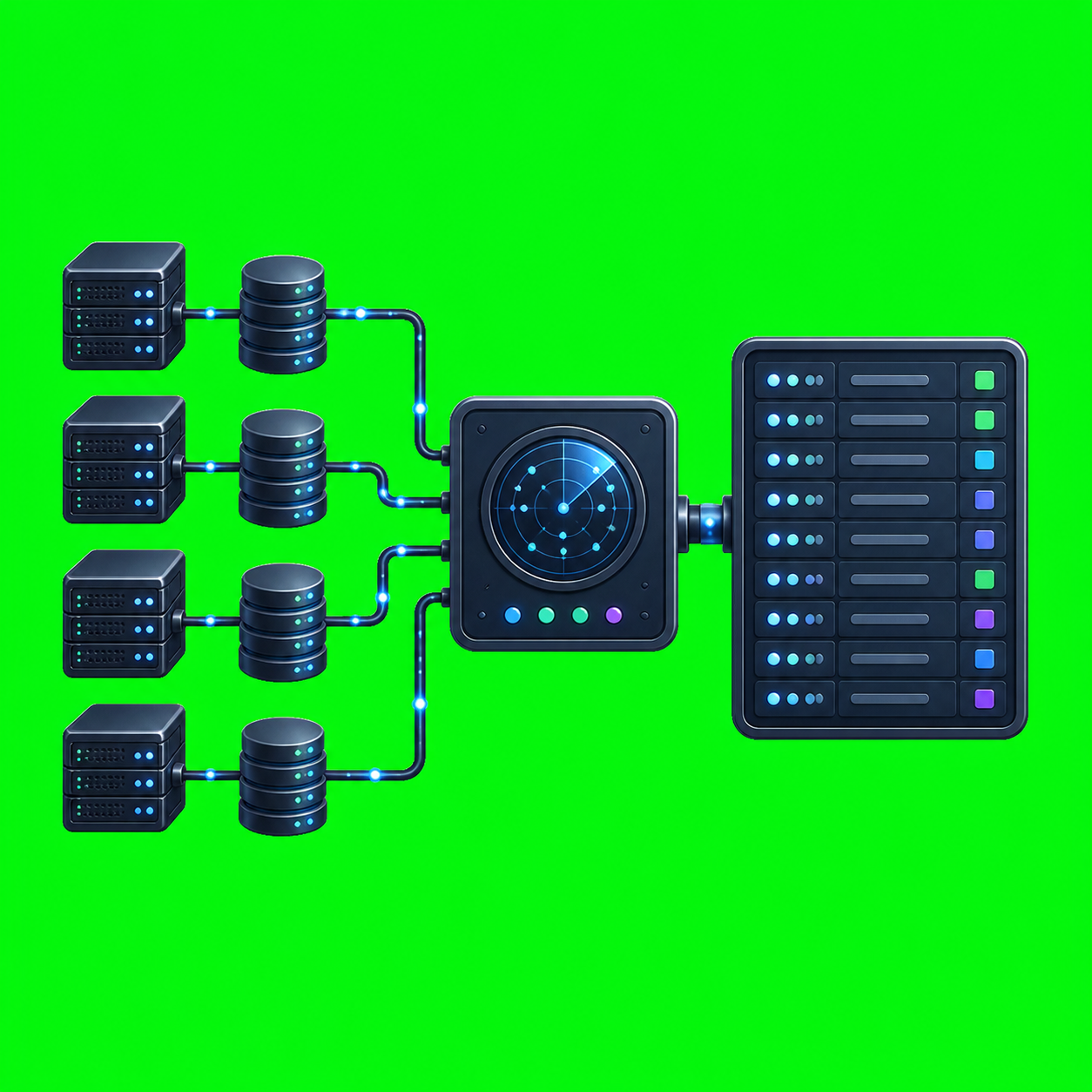
How to Run AxiOwl Without Exposing Internal Services AxiOwl is designed so agent coordination does not require opening a public control panel, relay port, Redis endpoint, or web API for day-to-day message delivery. The current implementation is built around local CLI execution, native MCP over standard input and output, registry files, and SSH for remote […]
How AxiOwl Separates Operator Control From Agent Autonomy

How AxiOwl Separates Operator Control From Agent Autonomy Agent-to-agent messaging gets confusing when a routing tool starts acting like it owns the agent. AxiOwl is designed around the opposite boundary. It gives the operator a concrete way to address, route, and audit messages between named agent sessions, while the receiving agent remains responsible for what […]
How to Think About SSH Keys With AxiOwl
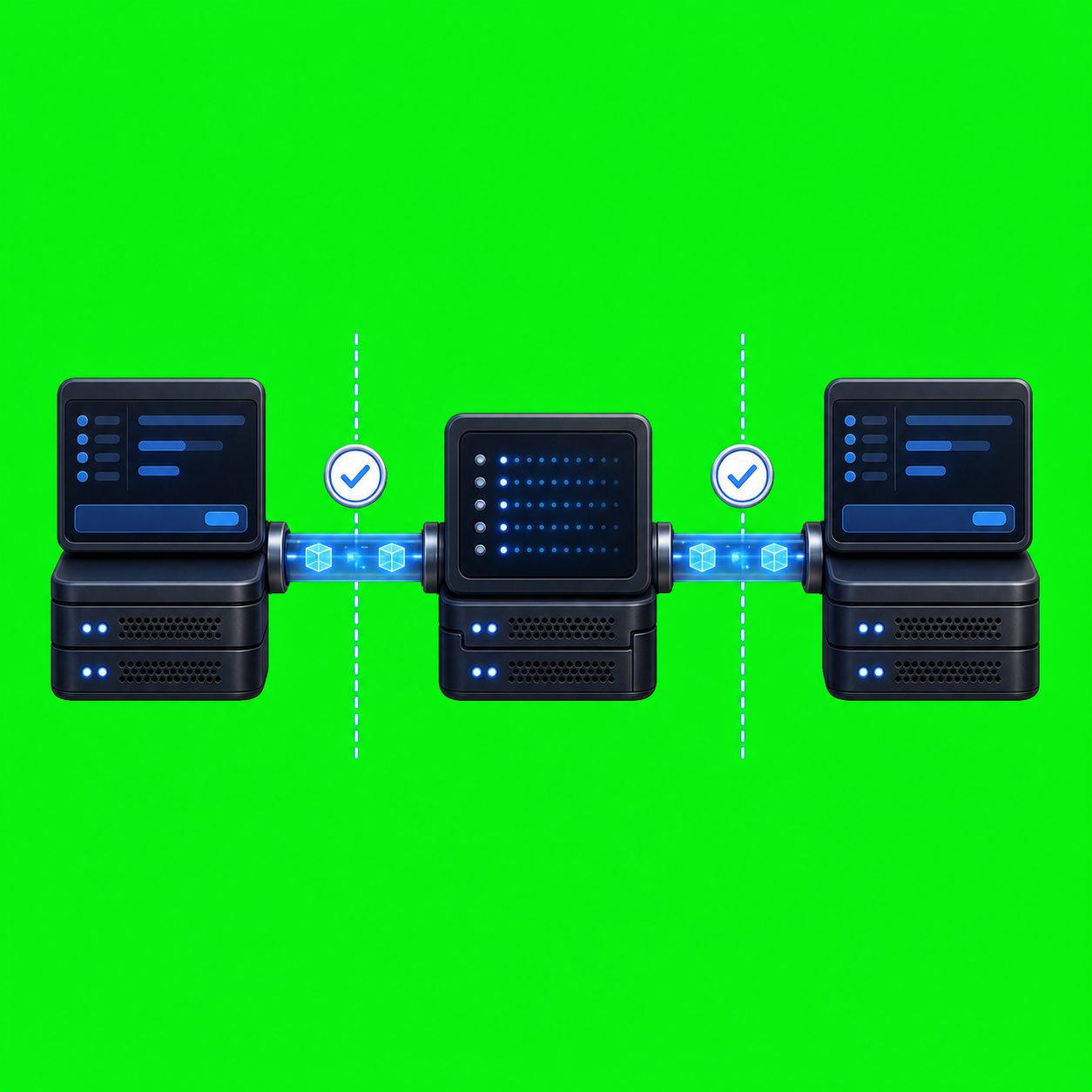
How to Think About SSH Keys With AxiOwl SSH keys in AxiOwl are best understood as remote node access material. They are not agent identities, not provider sessions, and not a hidden shortcut around the normal delivery pipeline. When AxiOwl needs to reach another machine, the key tells OpenSSH which credential to use for that […]
What AxiOwl Agents Should Not Be Allowed to Do
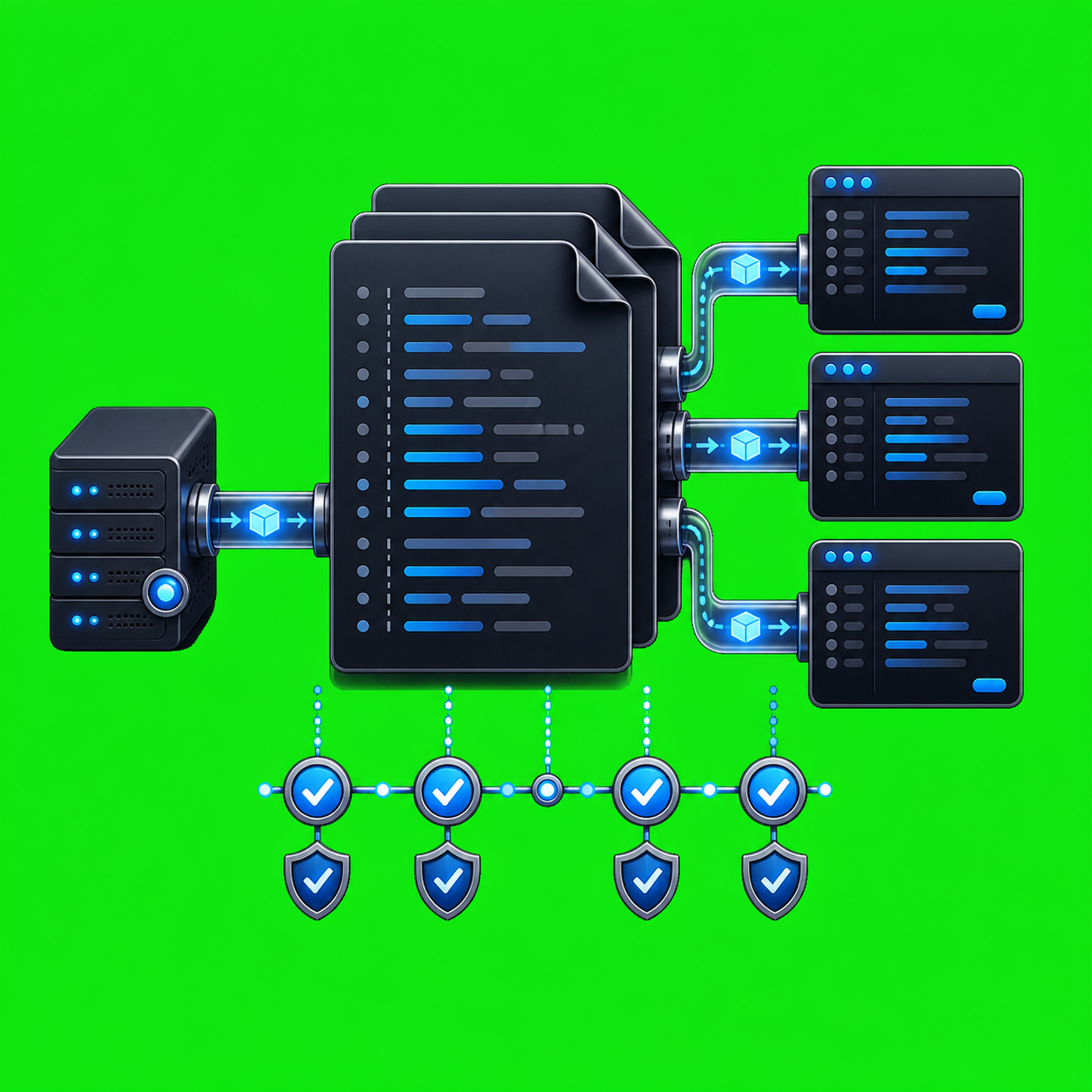
What AxiOwl Agents Should Not Be Allowed to Do AxiOwl is built around a simple but important idea: AI provider sessions can send messages to each other, but they should not be given broad, implicit control over the user's machine, provider accounts, or routing state. A useful agent network is not one where every agent […]
How AxiOwl Keeps Remote Routing Narrow
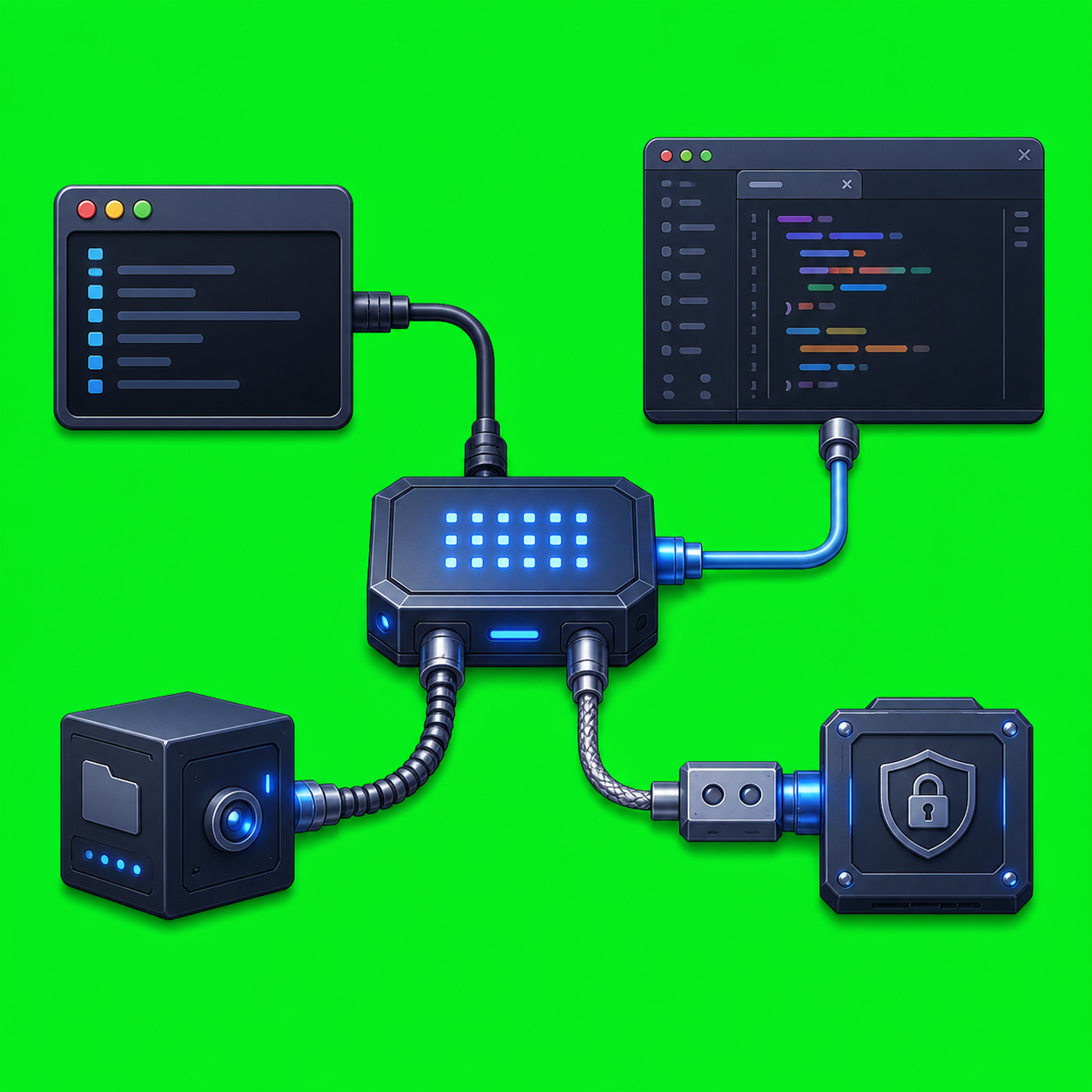
How AxiOwl Keeps Remote Routing Narrow Remote routing is useful only when it stays specific. The moment a messaging tool treats "remote" as a general permission to scan machines, open ports, or guess delivery paths, it stops being an operator tool and starts becoming infrastructure sprawl. AxiOwl's current design takes the opposite approach: remote state […]
How AxiOwl Uses Enrollment as an Agent Allow-List

How AxiOwl Uses Enrollment as an Agent Allow-List AxiOwl does not treat every discovered chat, display name, or stale session hint as a valid message target. It uses enrollment as a practical allow-list: a provider session has to be represented in the local registry, enabled, and marked sendable before AxiOwl will route normal delivery to […]
Why AxiOwl Does Not Require Public Manager Ports
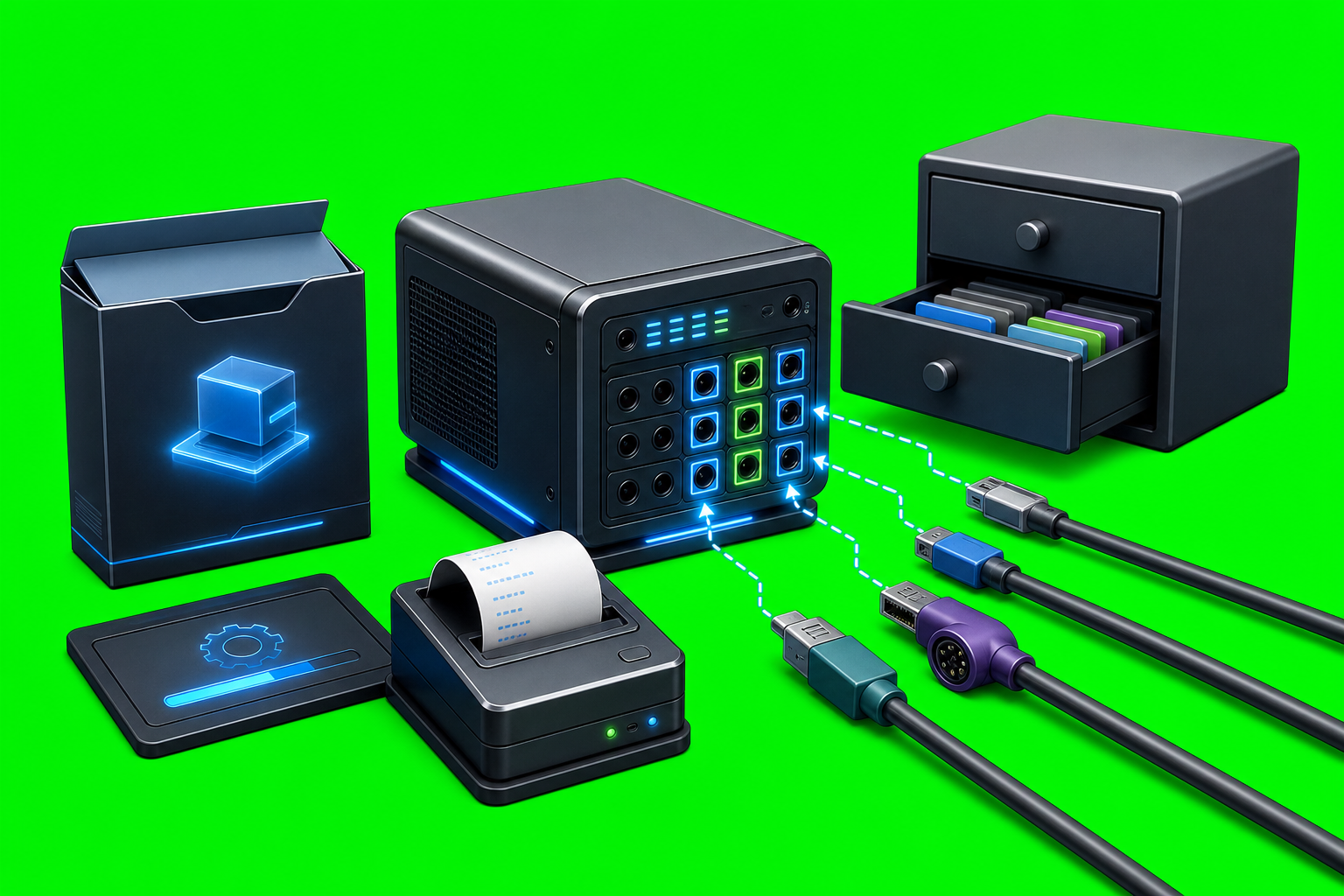
Why AxiOwl Does Not Require Public Manager Ports AxiOwl is designed around local coordination, provider-owned identity, and explicit handoffs. That matters operationally because the system does not need a publicly reachable "manager" service to let supported AI provider sessions send messages through AxiOwl. The current product shape uses a Windows local coordinator, provider integrations, MCP […]
AxiOwl Security Model Explained
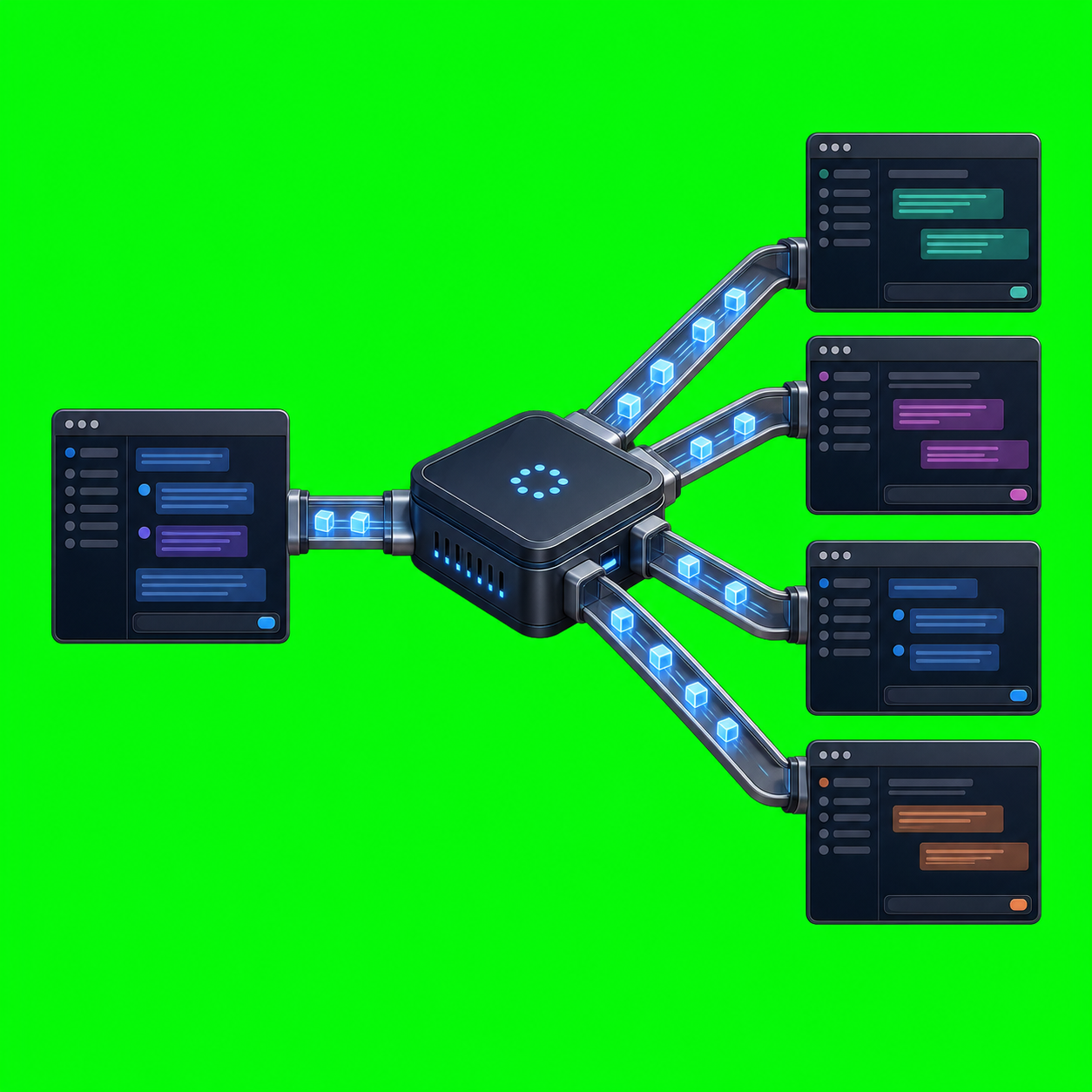
AxiOwl Security Model Explained AxiOwl is designed as a local coordinator for AI provider sessions. Its security model starts from that constraint: the tool should know which local provider sessions exist, route messages only to selected and registered targets, preserve enough identity metadata for replies, and make failures visible instead of pretending a weak path […]