How to Keep AxiOwl Running Across Multiple Machines

How to Keep AxiOwl Running Across Multiple Machines AxiOwl is built around a practical idea: agents and provider sessions live where they actually run. A Windows workstation, a Linux desktop, and a remote Linux node should not pretend to be one magic process. Each machine needs its own AxiOwl state, its own provider discovery, and […]
How to Avoid Repeating Failed Commands With AxiOwl Telemetry

How to Avoid Repeating Failed Commands With AxiOwl Telemetry The fastest way to waste time with agent tooling is to rerun the same failed command without learning why it failed. AxiOwl is built to make that less likely. Its send path records structured evidence, prints receipt boundaries, and exposes log locations so an operator can […]
How to Confirm Which Agents Are Active

How to Confirm Which Agents Are Active When an AxiOwl operator asks which agents are active, the practical question is not just "what names are saved somewhere?" The real question is: which provider sessions does AxiOwl currently consider usable as message targets, and what evidence supports that decision? AxiOwl answers that through a durable local […]
How to Read AxiOwl Evidence Logs
How to Read AxiOwl Evidence Logs AxiOwl evidence logs are the operator's audit trail for what the local coordinator accepted, resolved, rejected, handed off, or proved. They are not generic application noise. They are structured newline-delimited JSON records that let you reconstruct the path of a message or create request across registry resolution, sender identity, […]
How to Repair AxiOwl Provider Integrations
How to Repair AxiOwl Provider Integrations Provider integration repair in AxiOwl is not a matter of blindly retrying the same send until something appears in a chat. AxiOwl has a stricter model: it discovers real provider sessions, records them in a durable local registry, resolves sender and target identity, runs a targeted discovery repair when […]
How to Troubleshoot AxiOwl Message Delivery
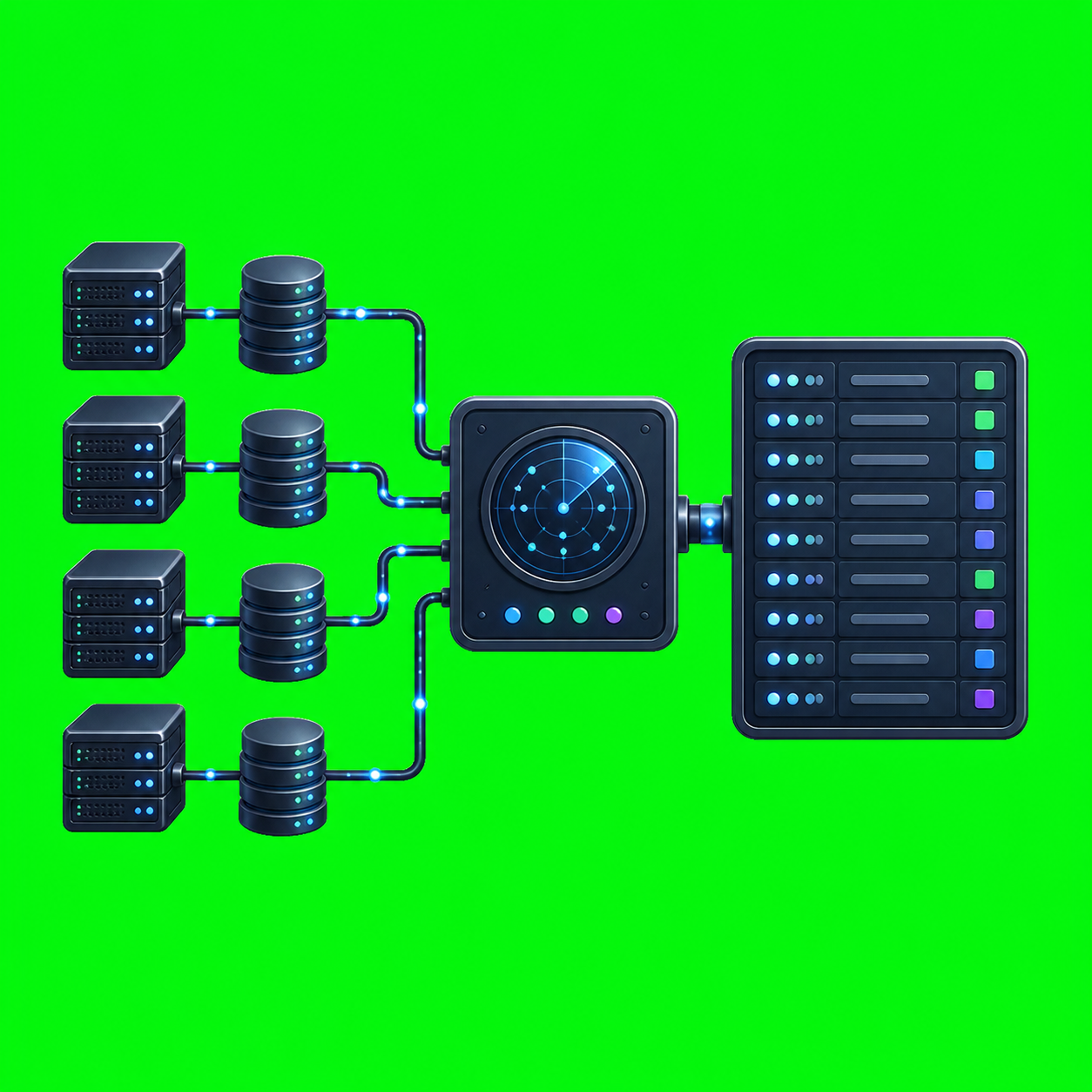
How to Troubleshoot AxiOwl Message Delivery Troubleshooting AxiOwl message delivery starts with one discipline: separate the stages. An install can succeed while discovery is stale. A registry row can exist while the target is not sendable. A command can return accepted_by_axiowl while provider delivery, provider wake-up, and a recipient reply are still unproven. That distinction […]
How to Verify an AxiOwl Node
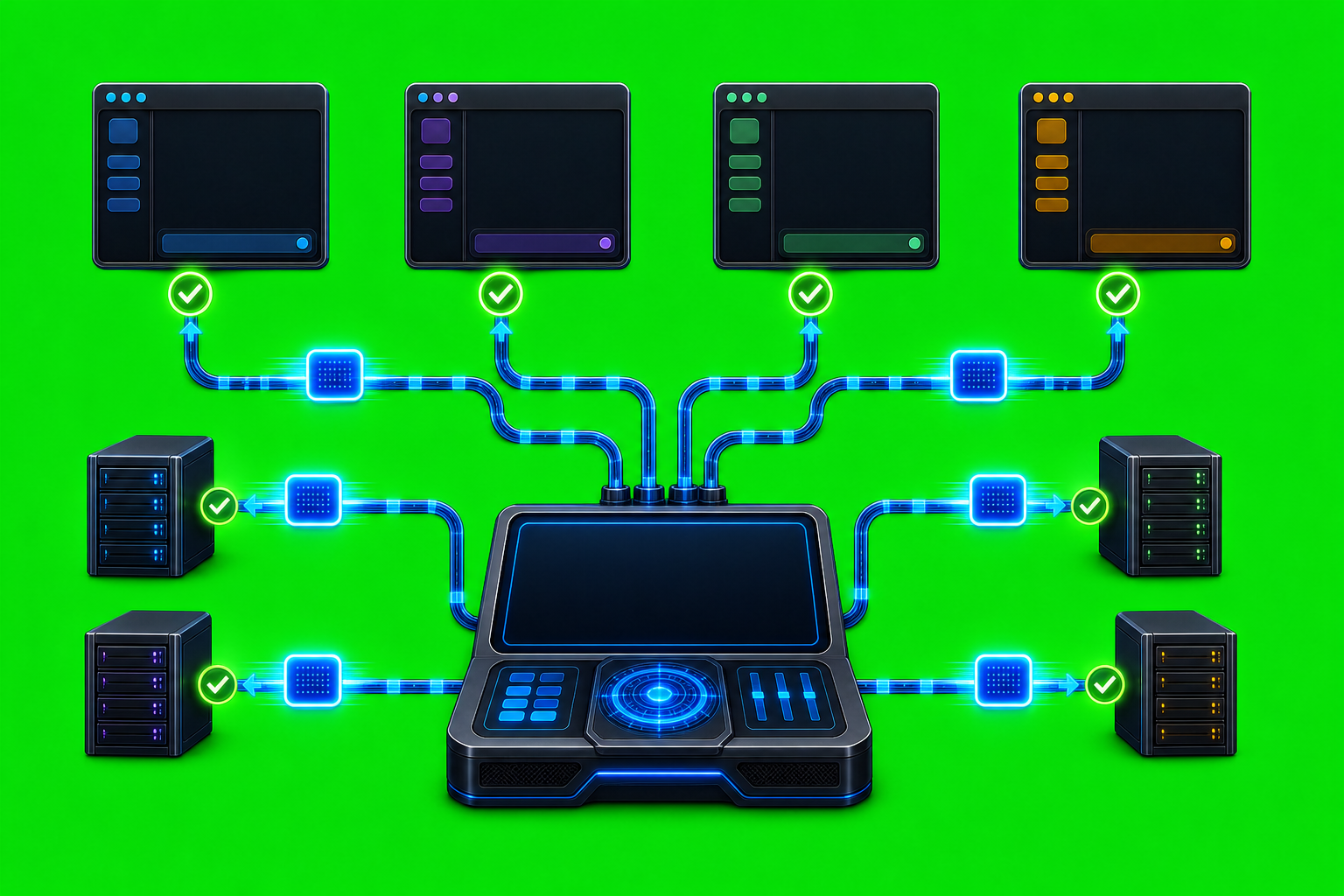
How to Verify an AxiOwl Node Verifying an AxiOwl node means proving more than "a hostname exists." A remote node has to be reachable over SSH, recorded in AxiOwl's node registry, running the expected AxiOwl binary, and, when it is a Codex remote endpoint, able to expose the AxiOwl MCP tool surface that lets messages […]
How to Monitor AxiOwl Health
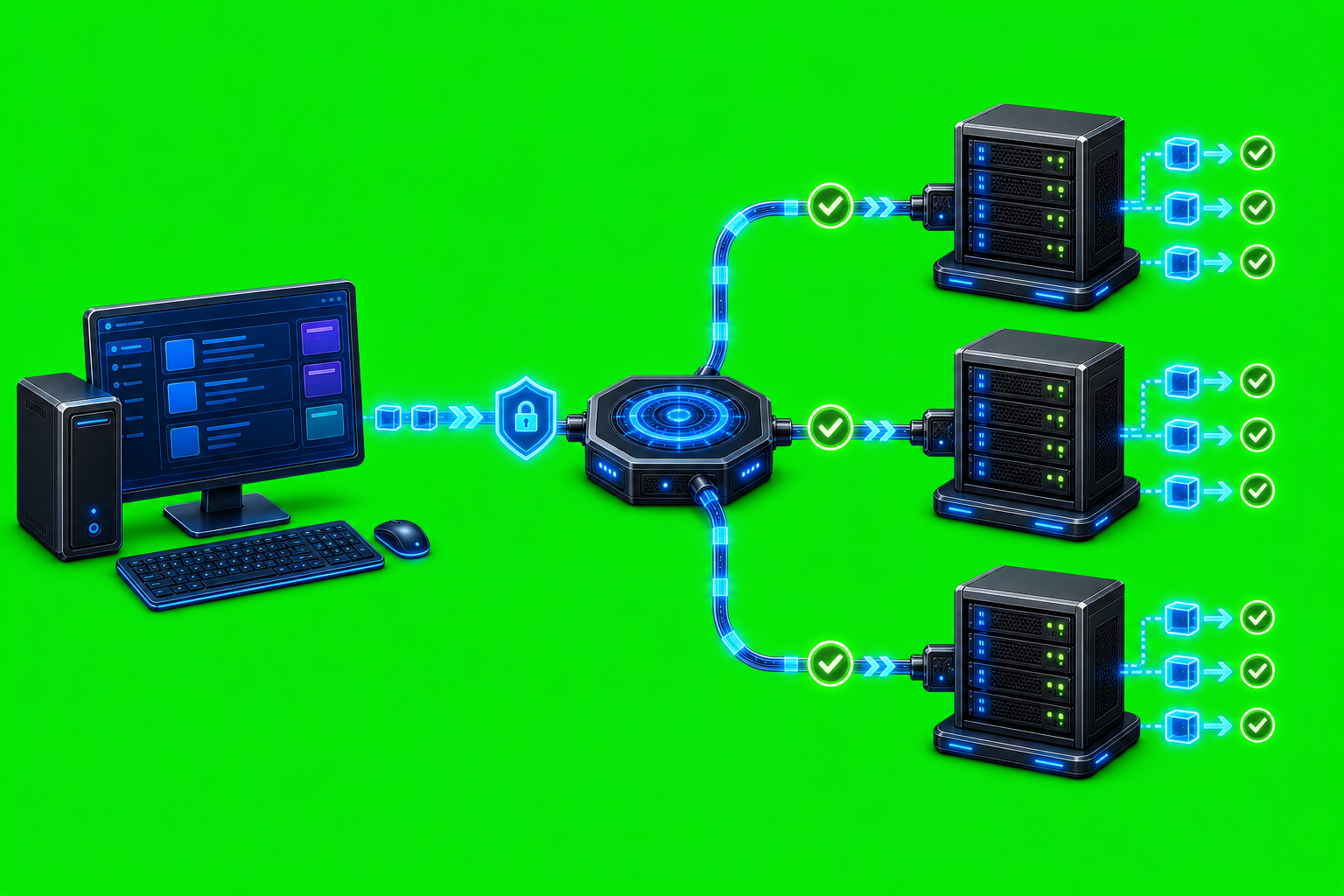
How to Monitor AxiOwl Health Monitoring AxiOwl health means checking whether the local coordinator can prove what it knows, what it can reach, and what happened to recent messages. The current C++ implementation is built around a CLI, an MCP server, provider-specific delivery edges, a durable registry, provider discovery, and JSONL evidence logs. A healthy […]
The AxiOwl Messaging Model

The AxiOwl Messaging Model AxiOwl's messaging model is deliberately small: one sender, one target, one body, one selected provider edge, and one honest receipt. That constraint matters because AxiOwl is not just moving text between two identical chat windows. It is coordinating messages across provider sessions, local and remote nodes, MCP tools, CLI commands, registry […]
How AxiOwl Turns Chat Sessions Into Addressable Work Surfaces

How AxiOwl Turns Chat Sessions Into Addressable Work Surfaces Most AI chat tools treat a conversation as something a human opens, reads, and types into. That is fine for one person working in one window. It is a poor fit when multiple provider sessions need to hand work to each other, reply with identity, and […]