AxiOwl vs Manual SSH Workflows
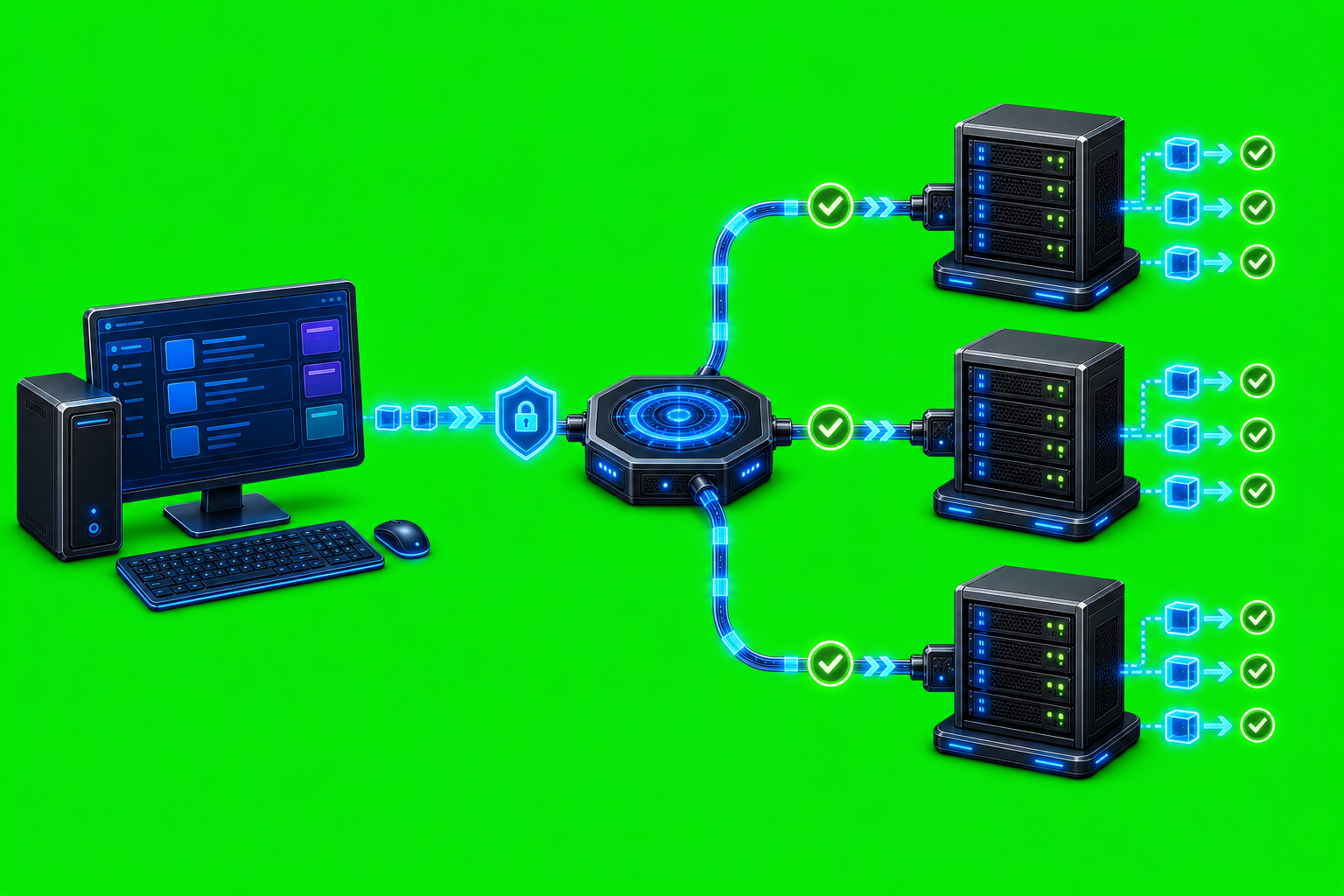
AxiOwl vs Manual SSH Workflows Manual SSH is still one of the most useful tools an operator has. It is direct, inspectable, and universal enough to reach almost any Linux node that has a shell and a key. But manual SSH is also easy to turn into an untracked workflow: a remembered host, a copied […]
How AxiOwl Sends Messages Without Depending on Window Titles
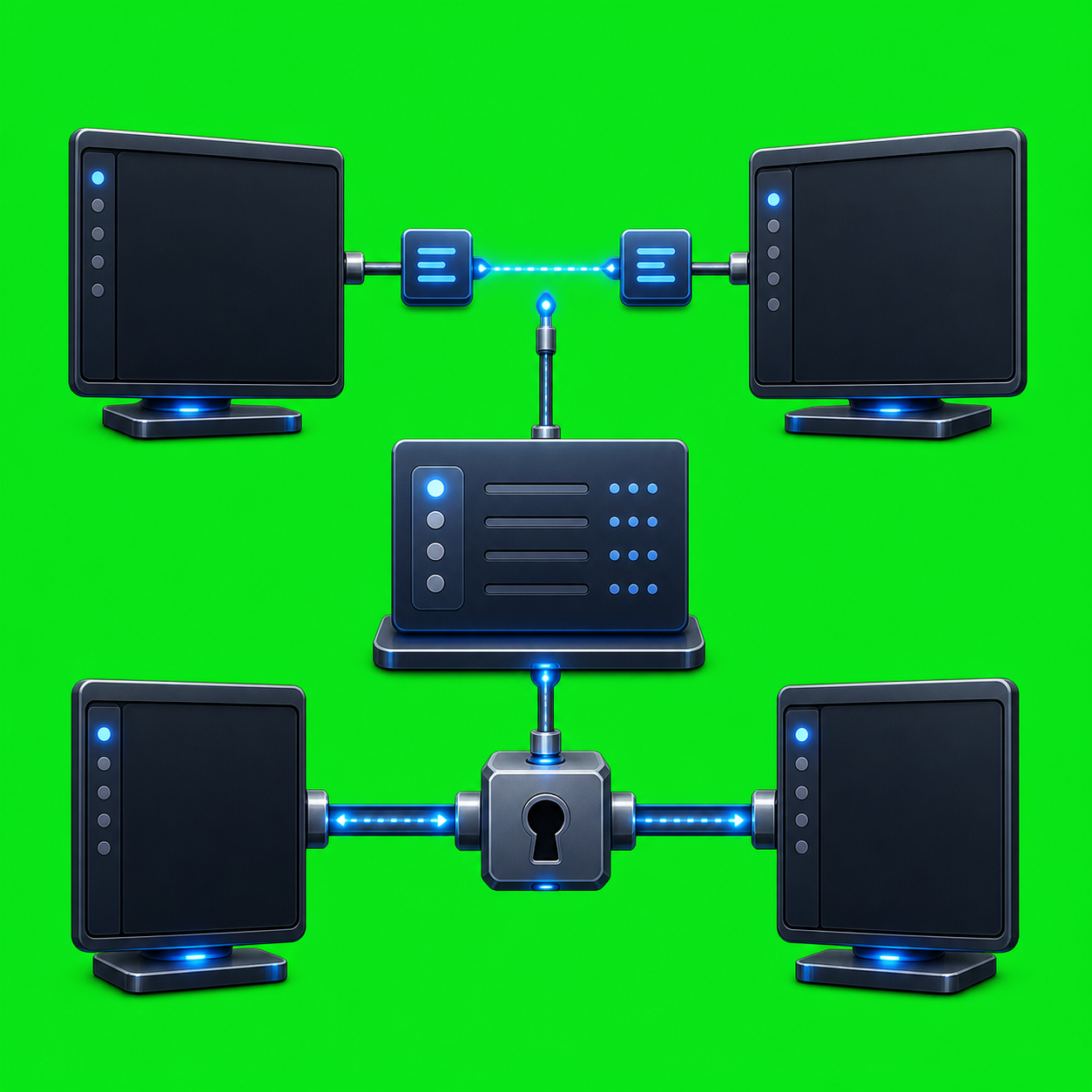
How AxiOwl Sends Messages Without Depending on Window Titles Window titles are a tempting shortcut for desktop automation. They are visible, easy to search for, and usually close to the thing a human sees. They are also fragile. A provider can rename a chat, an editor can reuse a window, an empty window can have […]
How AxiOwl Finds Existing Provider Chats
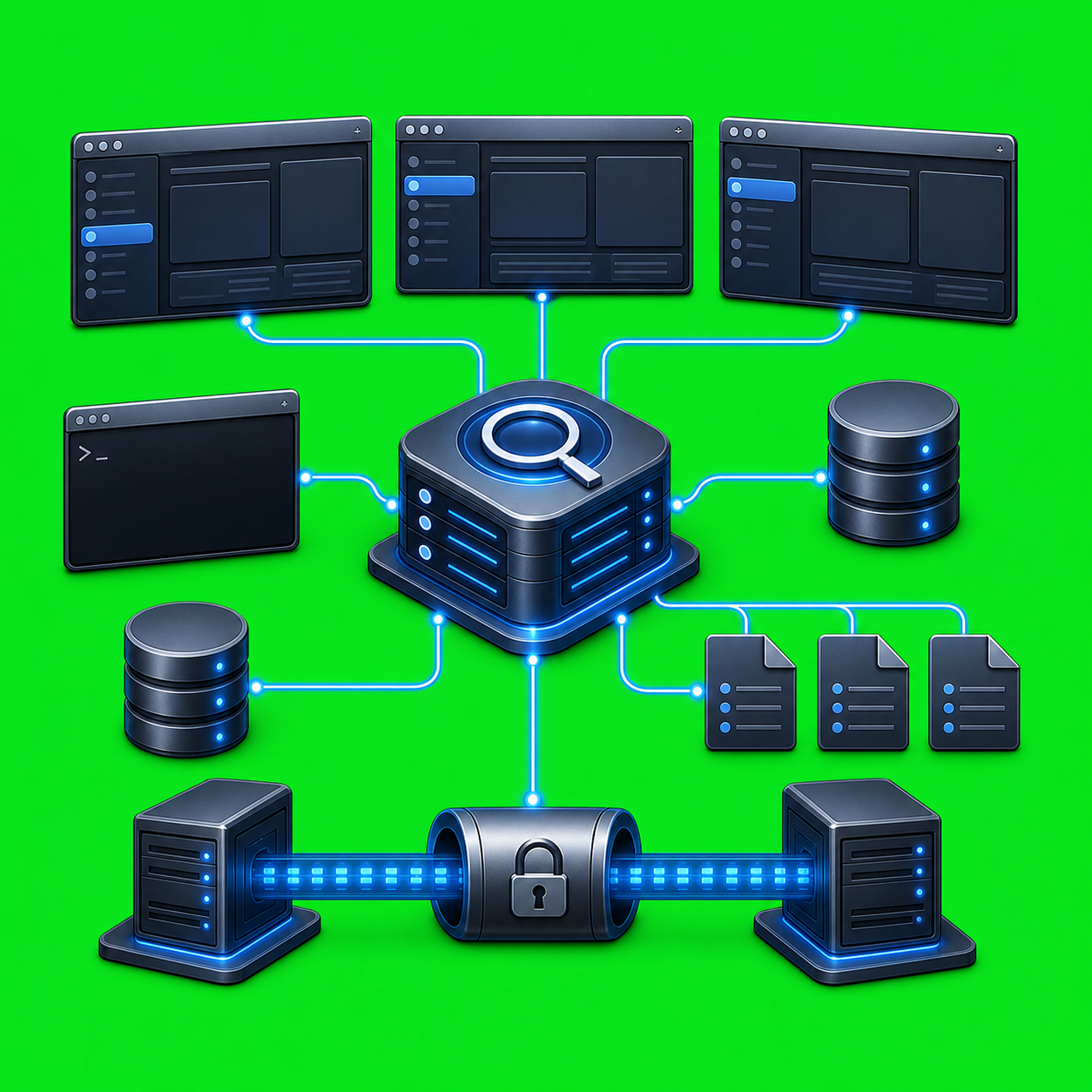
How AxiOwl Finds Existing Provider Chats AxiOwl does not treat every chat tool as a blank slate. A major part of the Windows desktop implementation is discovery: finding provider chats that already exist, proving whether they are useful delivery targets, and saving them into AxiOwl's local agent registry so operators can address them by name. […]
How AxiOwl Keeps Provider Sessions Separate

How AxiOwl Keeps Provider Sessions Separate AxiOwl is built to send messages between AI provider sessions without treating every chat window as the same kind of thing. A Codex session, a Cursor composer, a VS Code native chat, and a Copilot-backed VS Code chat may all look like "agents" to an operator, but AxiOwl keeps […]
Using AxiOwl With Antigravity
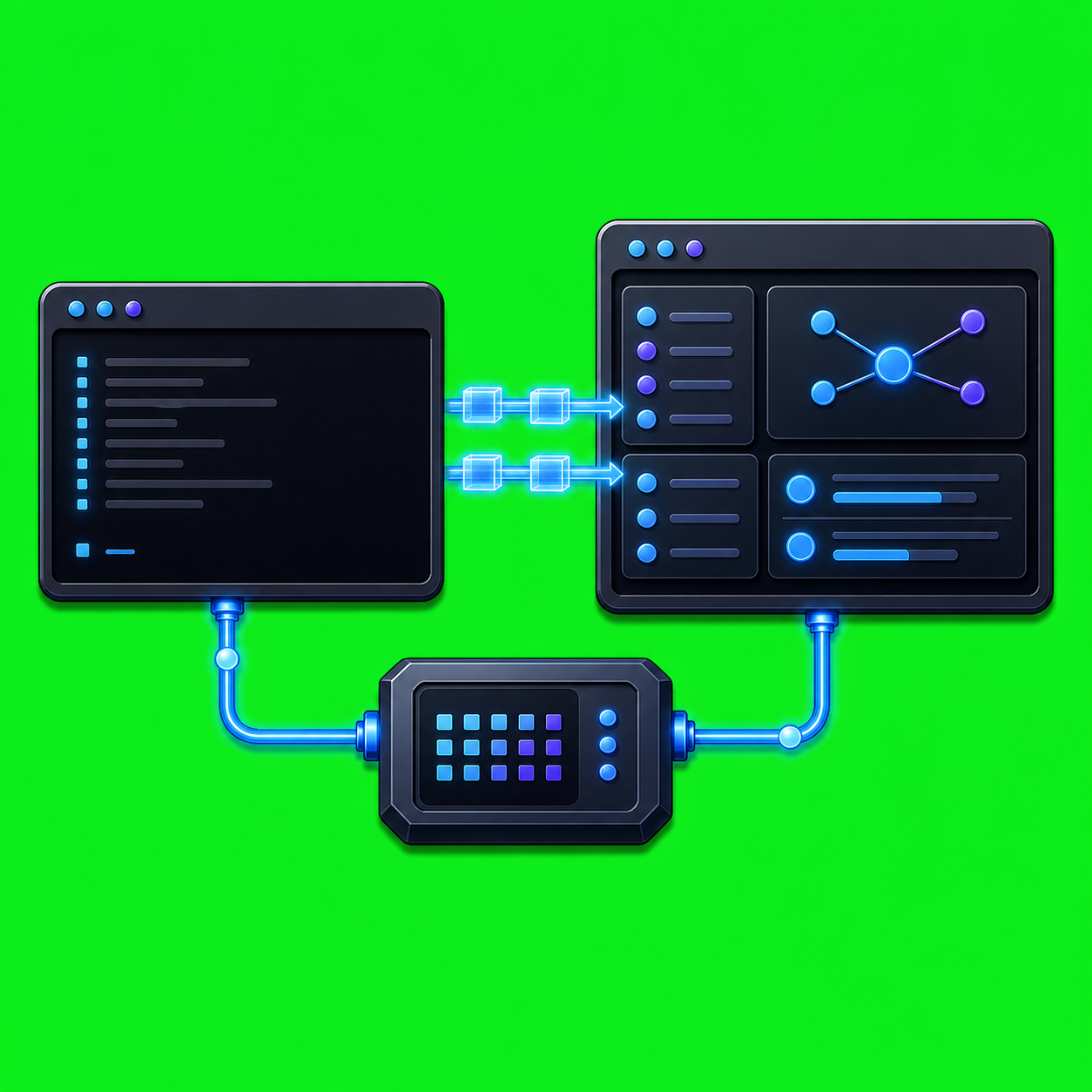
Using AxiOwl With Antigravity AxiOwl can work with Antigravity agent sessions as one of its supported local provider surfaces. In normal use, that means an operator or another agent can address a discovered Antigravity chat by name, send it a message through AxiOwl, and let Antigravity reply back through the AxiOwl MCP path with the […]
Using AxiOwl With OpenCode
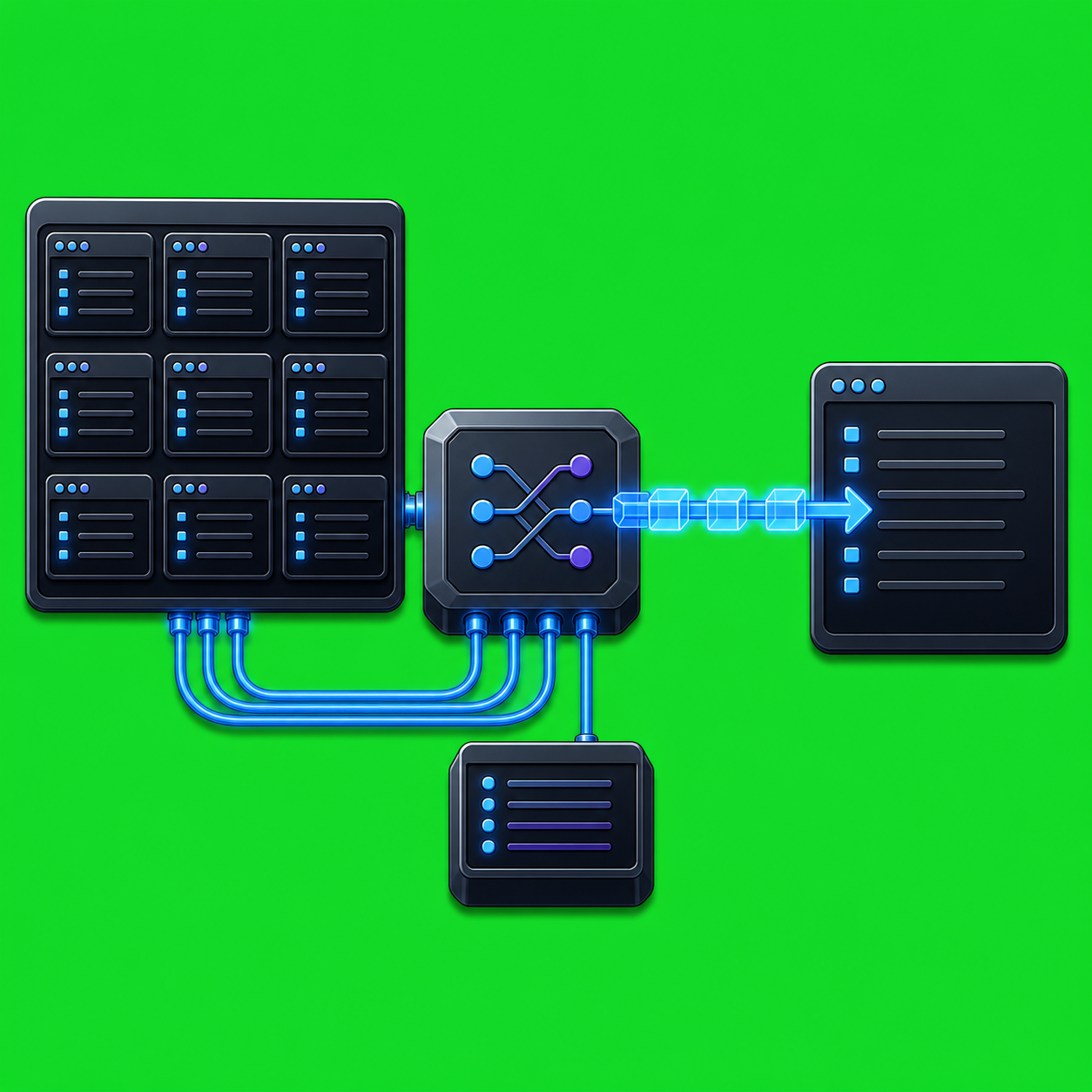
Using AxiOwl With OpenCode AxiOwl's OpenCode work is about making OpenCode CLI sessions addressable from the same local routing layer used for other AI-provider sessions. Instead of treating OpenCode as a separate manual terminal workflow, AxiOwl can discover OpenCode sessions, add them to its local registry, and route messages to a selected session through the […]
Using AxiOwl With Claude Code
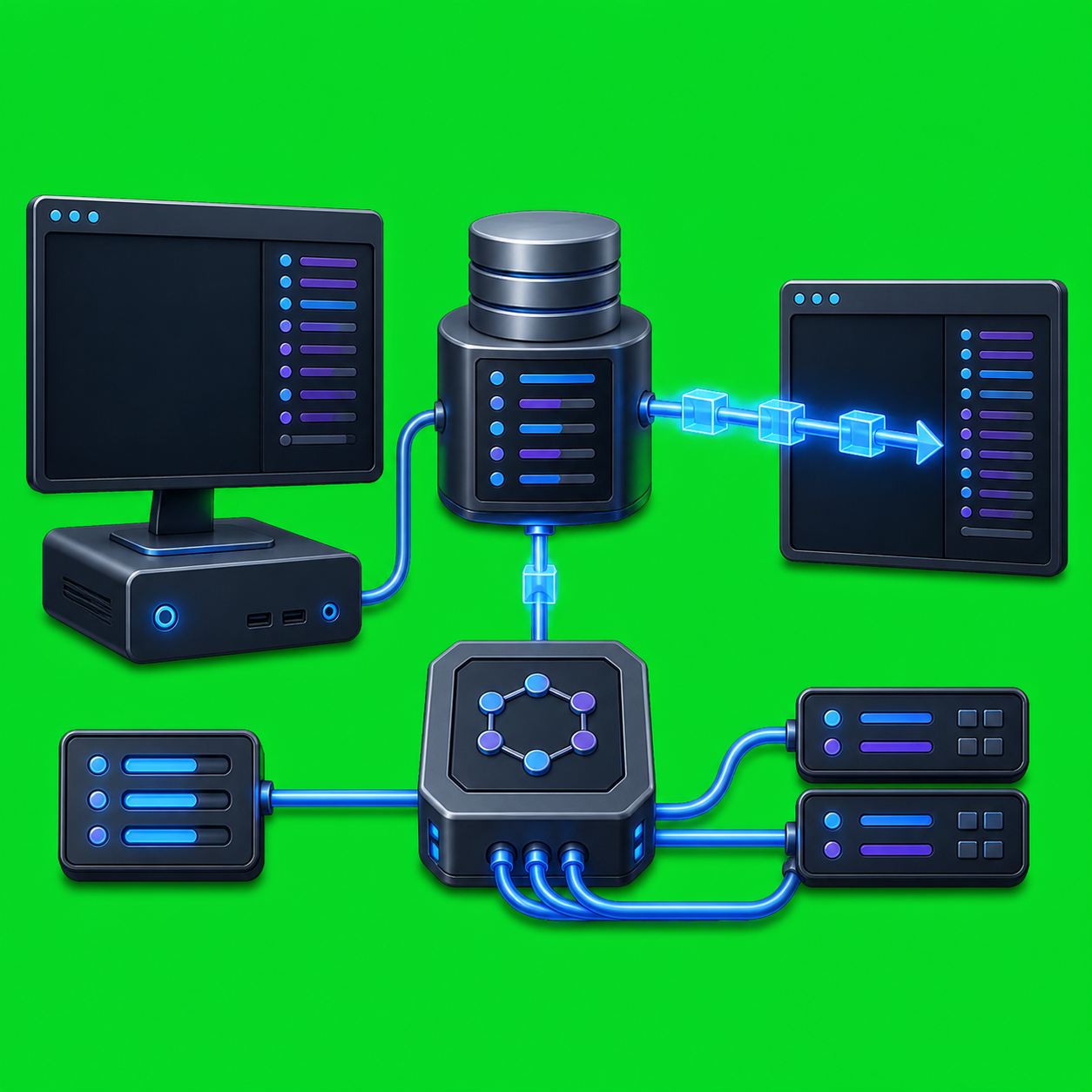
Using AxiOwl With Claude Code AxiOwl can treat Claude Code CLI sessions as named provider targets instead of forcing every handoff through one generic terminal. The idea is simple: AxiOwl discovers real Claude session state, records sendable sessions in its registry, and uses Claude's documented CLI resume flow to deliver a message into the right […]
Using AxiOwl With VS Code Copilot
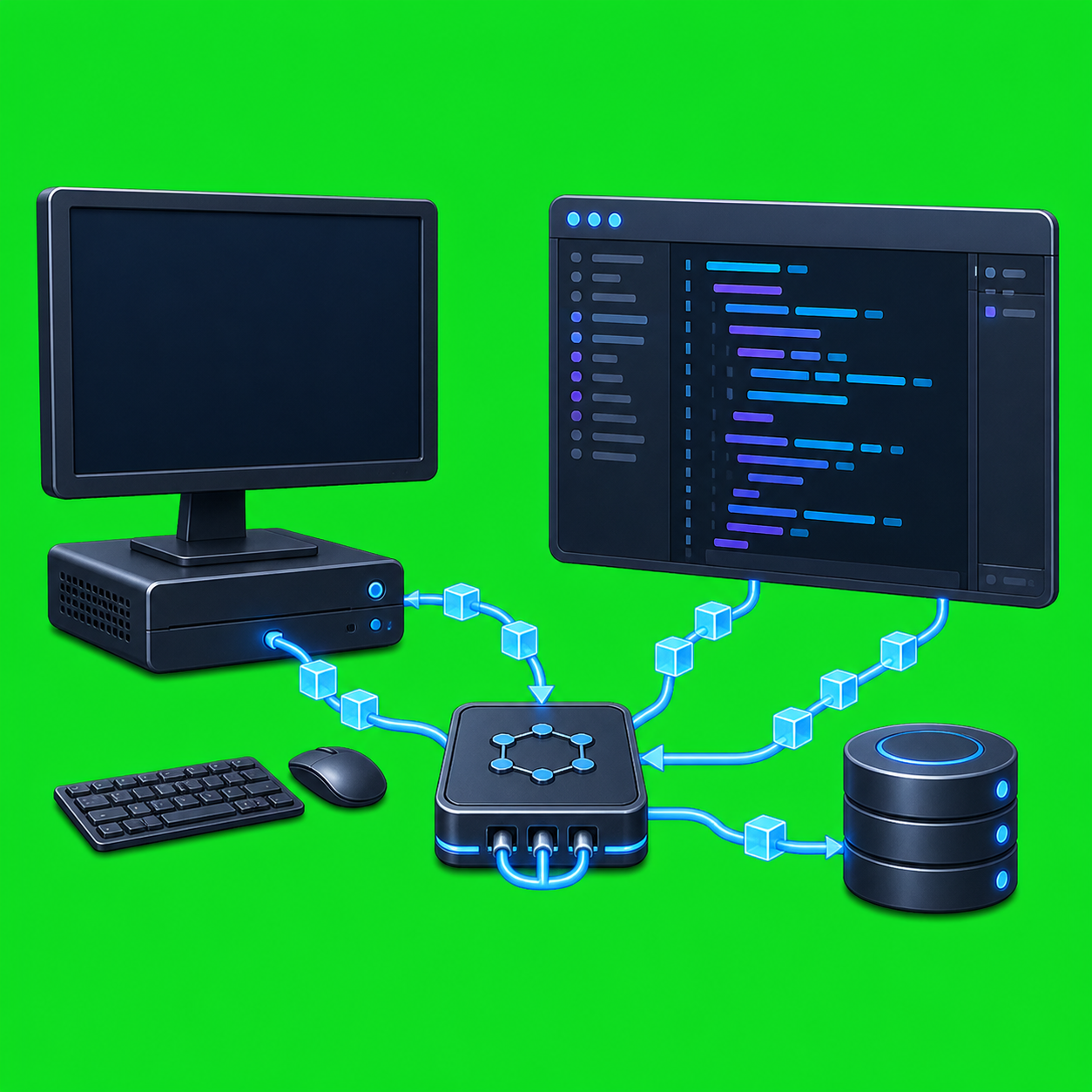
Using AxiOwl With VS Code Copilot VS Code Copilot is one of the local provider surfaces AxiOwl is designed to coordinate. In the current Windows desktop implementation, AxiOwl does not treat VS Code as a generic chat box. It has a first-party VS Code Copilot-backed bridge extension, installer features for that bridge, local discovery for […]
Using AxiOwl With Cursor
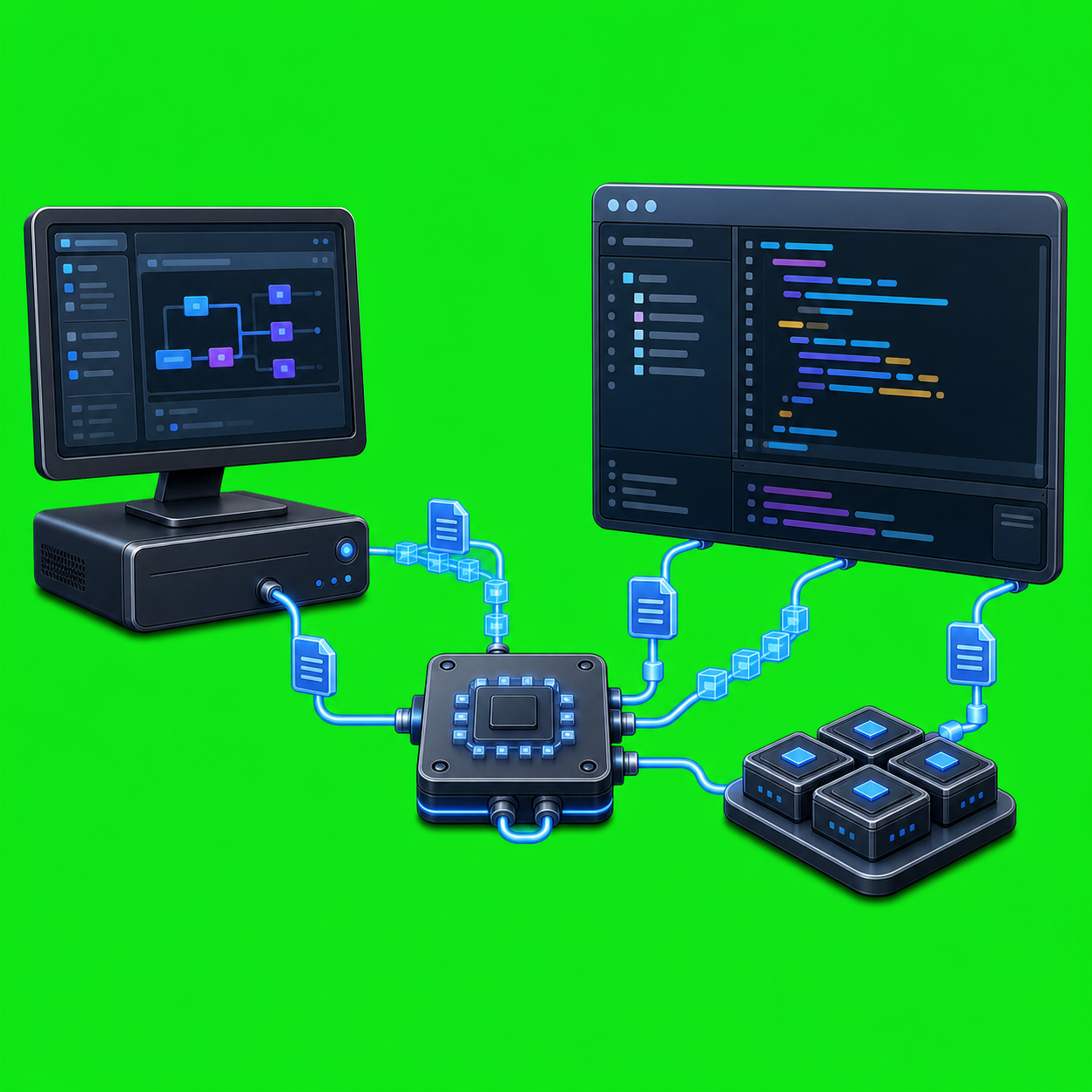
Using AxiOwl With Cursor Cursor is one of the local agent surfaces AxiOwl can address from its Windows desktop product. The practical idea is simple: a Cursor chat can be registered as an AxiOwl agent, then another agent or operator can send work to it through the same AxiOwl command path used for other providers. […]
Using AxiOwl With Codex
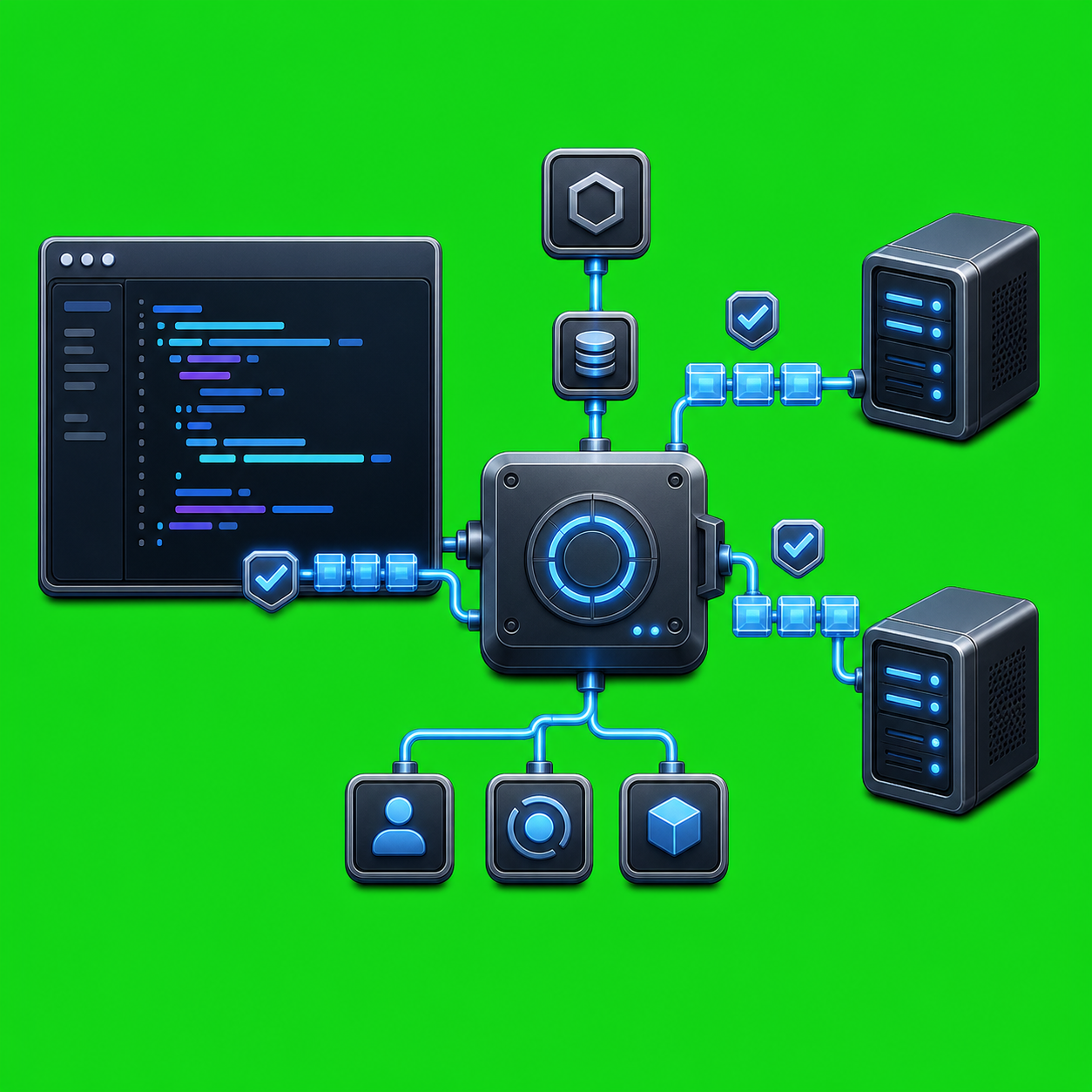
Using AxiOwl With Codex AxiOwl's Codex integration is built around a simple idea: Codex should be able to use AxiOwl as a native tool, not as a pasted shell recipe that asks the model to guess who it is. In the current AxiOwl implementation, the Codex plugin exposes an MCP server named axiowl, and that […]