How AxiOwl Makes Agent Workflows Scriptable
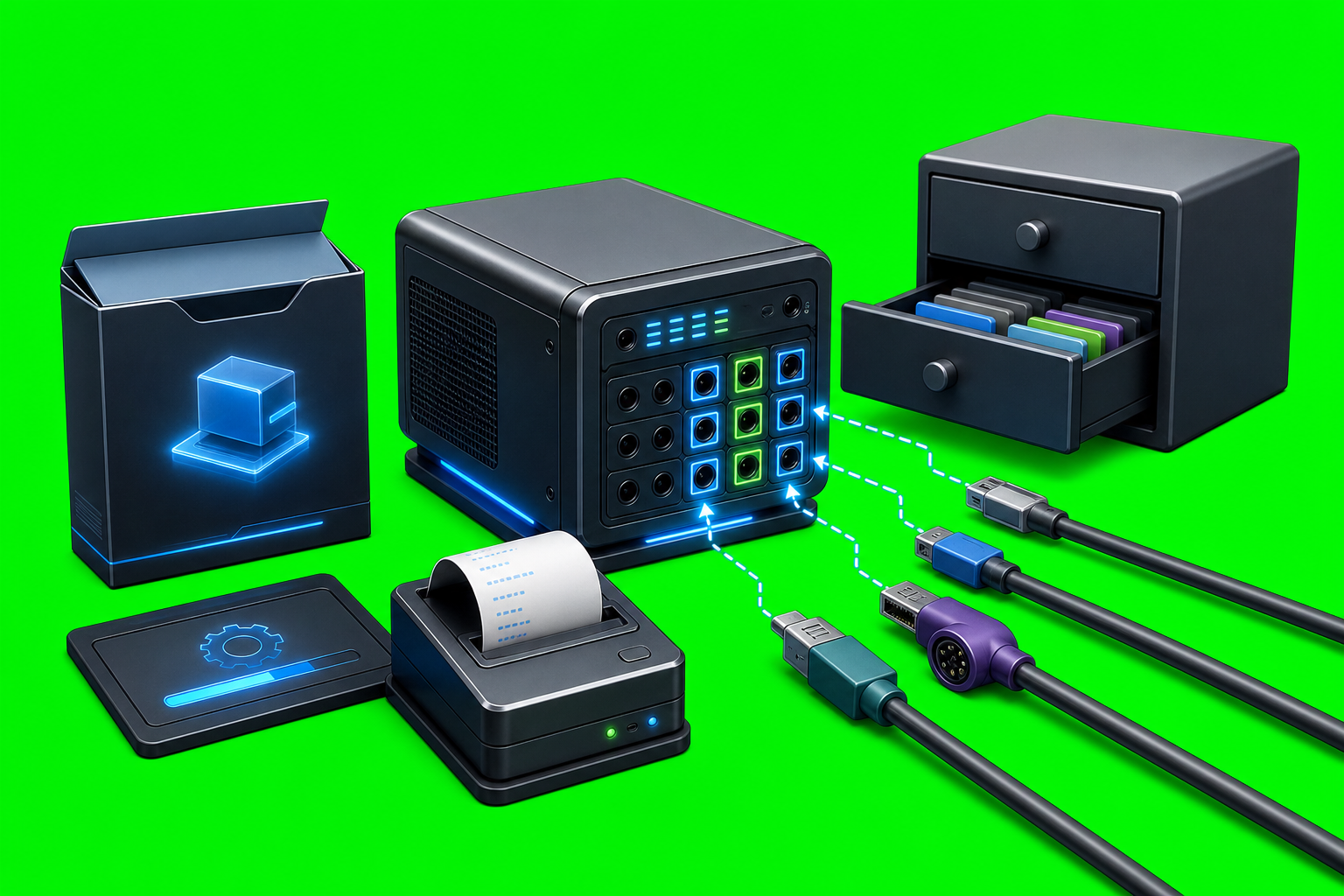
How AxiOwl Makes Agent Workflows Scriptable AxiOwl makes agent workflows scriptable by turning agent-to-agent coordination into explicit commands, registry records, MCP tools, and evidence logs. Instead of treating every provider chat as a manual UI target, AxiOwl gives operators a command surface for discovering sessions, creating chats, sending messages, and checking what was accepted by […]
How AxiOwl Keeps Provider Bugs Isolated
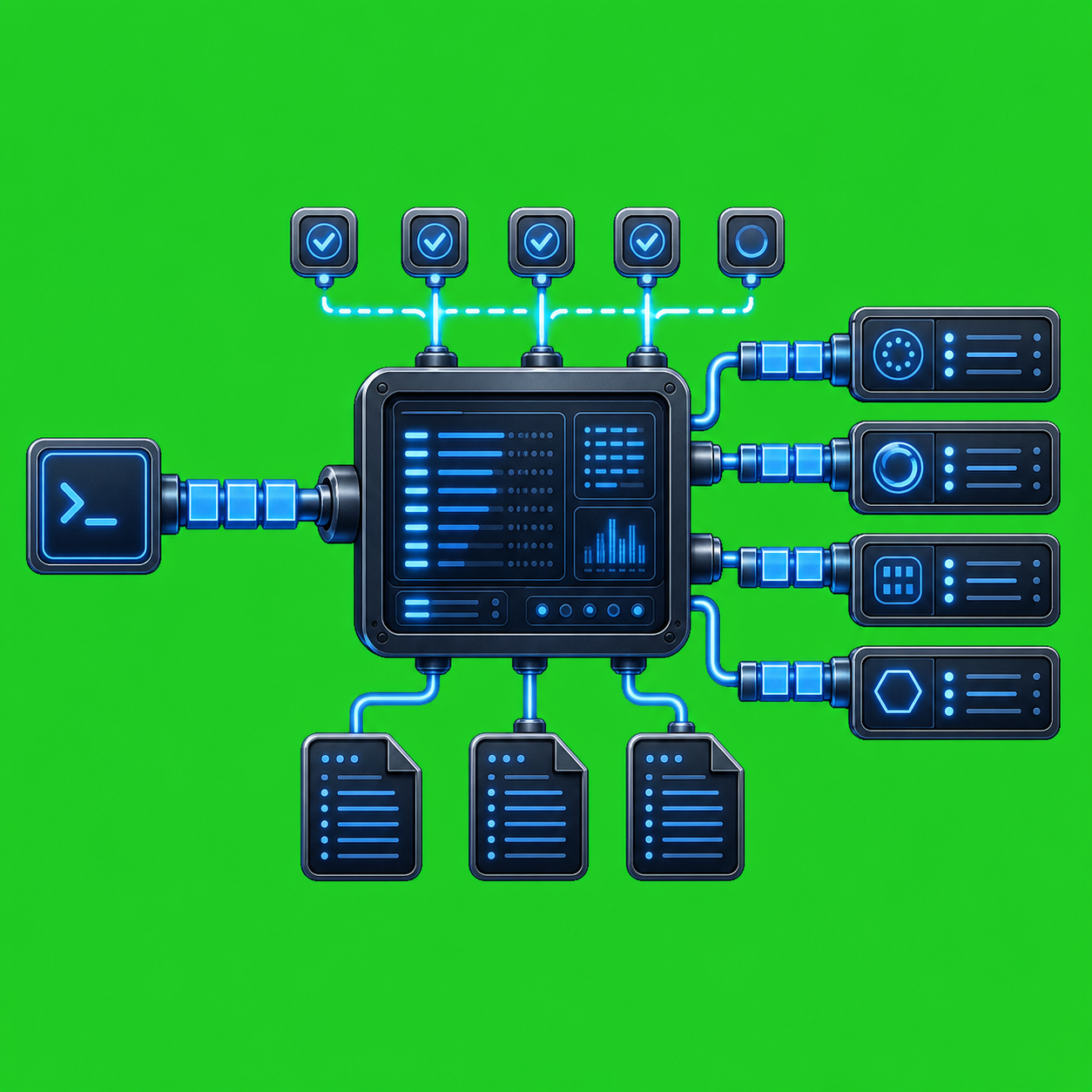
How AxiOwl Keeps Provider Bugs Isolated Provider integrations fail in different ways. A chat app can change a local database shape. A CLI can start returning a new error format. A bridge extension can register the wrong window. A patch-sensitive surface can become unsafe after an update. AxiOwl is built around the assumption that those […]
How AxiOwl Handles Remote Nodes Safely
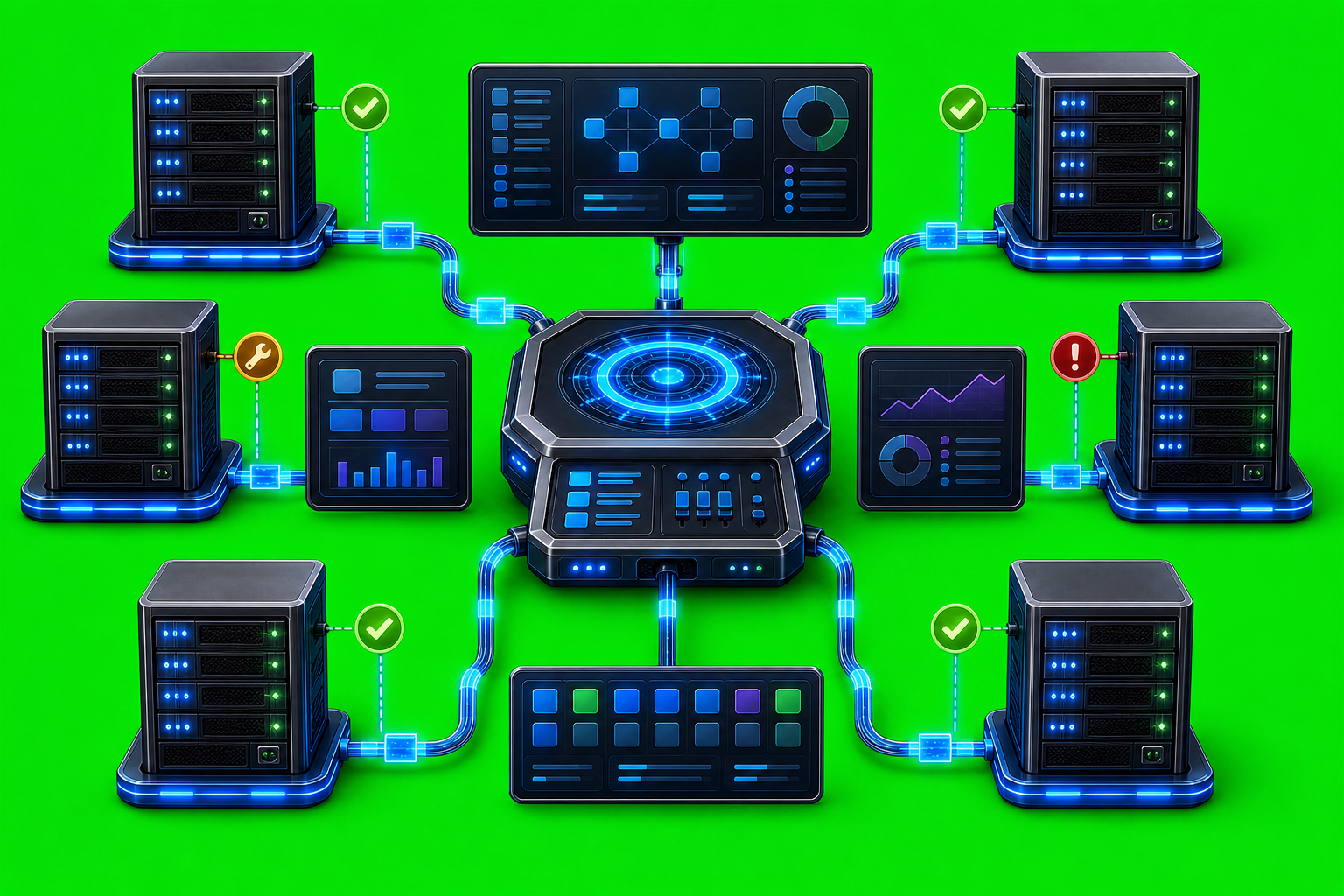
How AxiOwl Handles Remote Nodes Safely Remote automation is useful only when it is explicit. A remote node can extend an operator's reach from a local Windows coordinator to a Linux machine, but that same reach becomes risky if it turns into an invisible fallback, a stale host entry, or a background deployment path that […]
Why AxiOwl Avoids Open Inbound Manager Ports
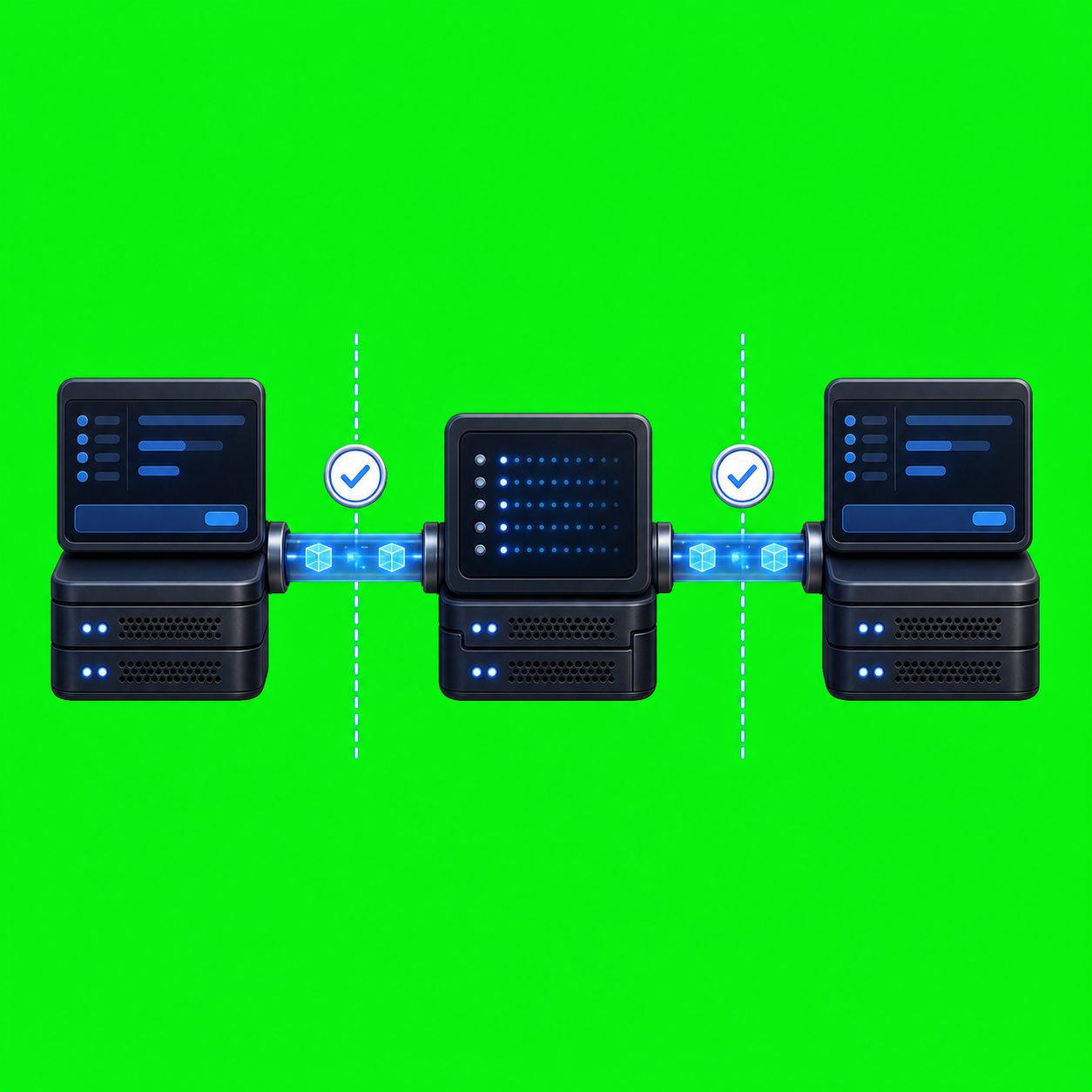
Why AxiOwl Avoids Open Inbound Manager Ports Open inbound manager ports are tempting in agent systems because they make routing look simple. Put a manager on a network port, let every node call it, and treat the manager as the center of the system. AxiOwl takes a different path. Its current design keeps coordination local, […]
Why AxiOwl Uses Named Agents
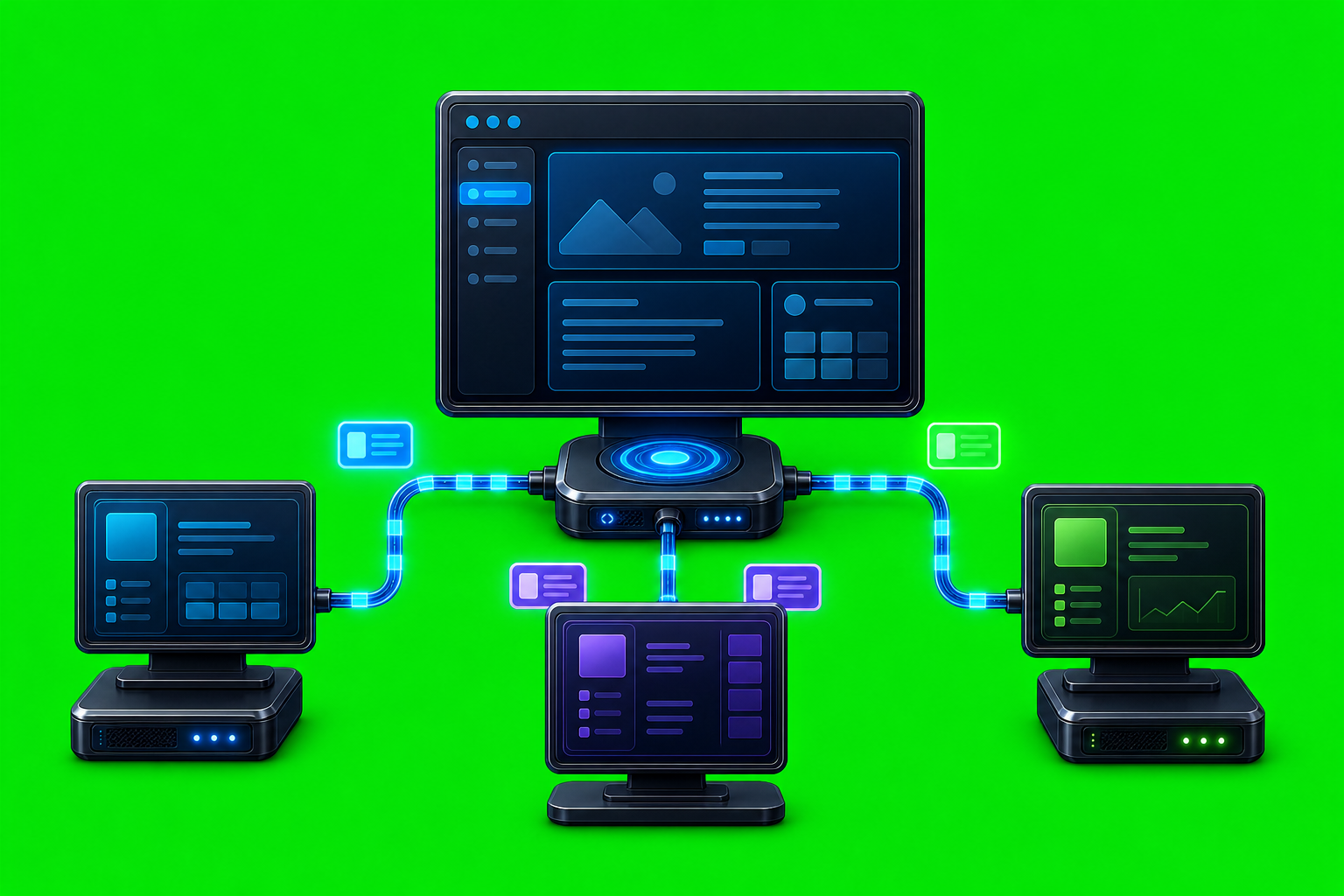
Why AxiOwl Uses Named Agents AxiOwl uses named agents because agent-to-agent messaging needs a human handle that can be resolved to a real provider session. A raw provider session ID may be useful to an adapter, but it is the wrong interface for an operator trying to send a message, read a receipt, or understand […]
How AxiOwl Thinks About Agents, Nodes, and Providers
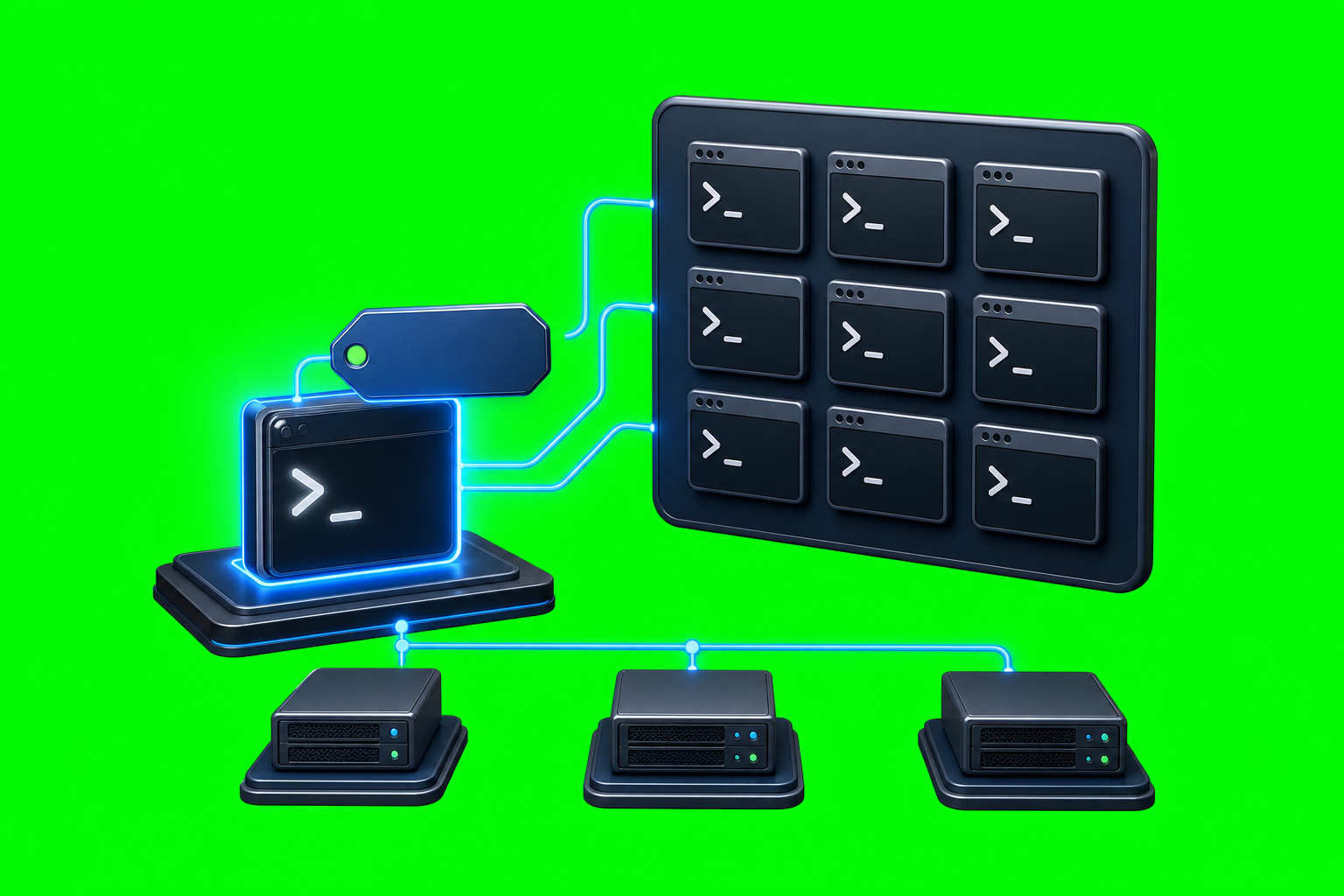
How AxiOwl Thinks About Agents, Nodes, and Providers AxiOwl is easiest to understand when its routing model is split into three plain nouns: agents, nodes, and providers. An agent is the addressable conversation or session a message can target. A node is the machine where that agent lives. A provider is the delivery surface AxiOwl […]
Why AxiOwl Is Not Just Another Wrapper
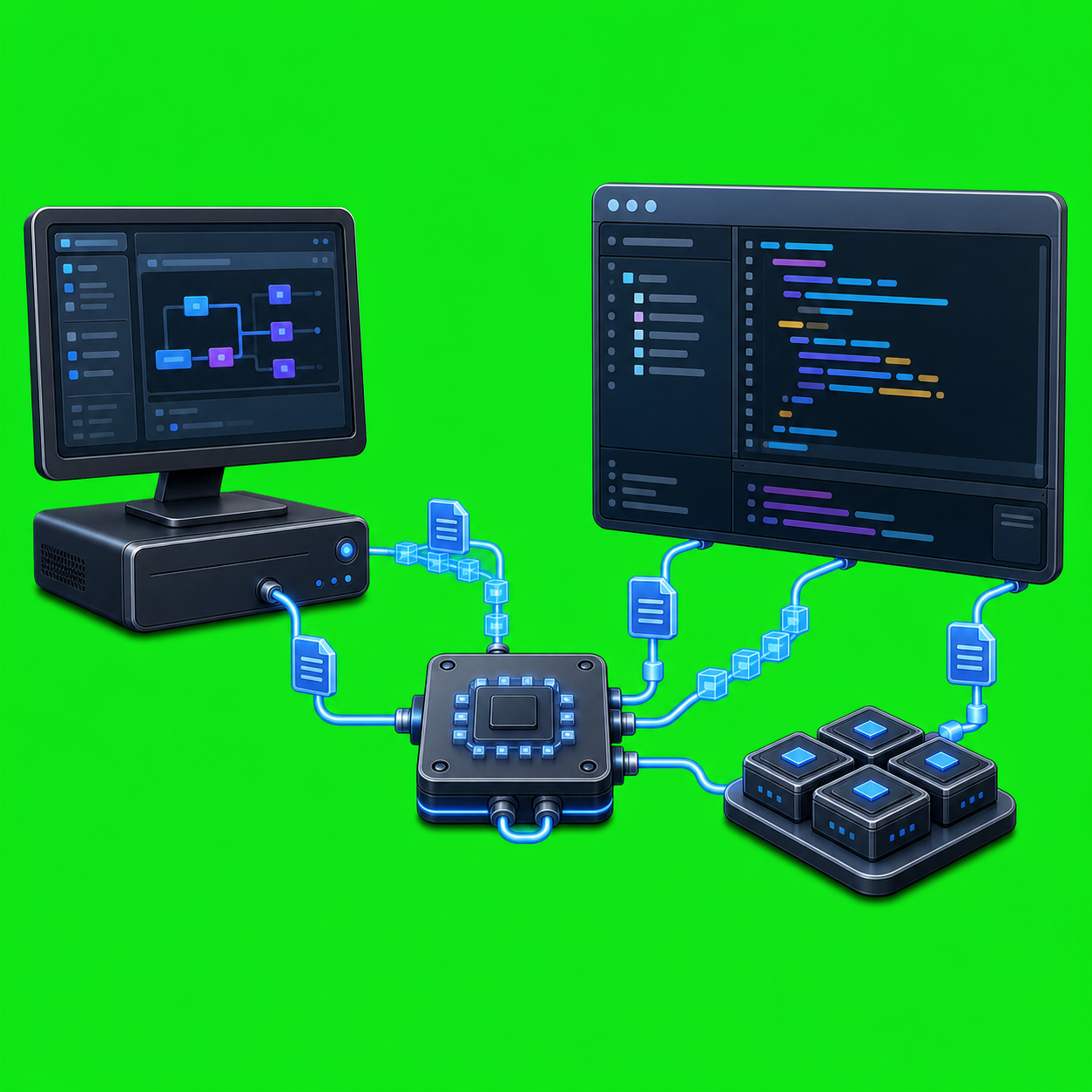
Why AxiOwl Is Not Just Another Wrapper It is easy to call any developer tool that sits in front of another tool a wrapper. Sometimes that is accurate. A thin wrapper takes arguments, calls an underlying command, and returns whatever came back. AxiOwl is built for a different job. It is a local coordinator for […]
When You Need AxiOwl and When You Do Not

When You Need AxiOwl and When You Do Not AxiOwl is useful when more than one AI provider session needs to participate in the same workflow and the handoff between those sessions needs to be addressable, repeatable, and inspectable. It is not something you need for every prompt, every chat, or every single-agent task. The […]
AxiOwl vs Traditional Automation Tools
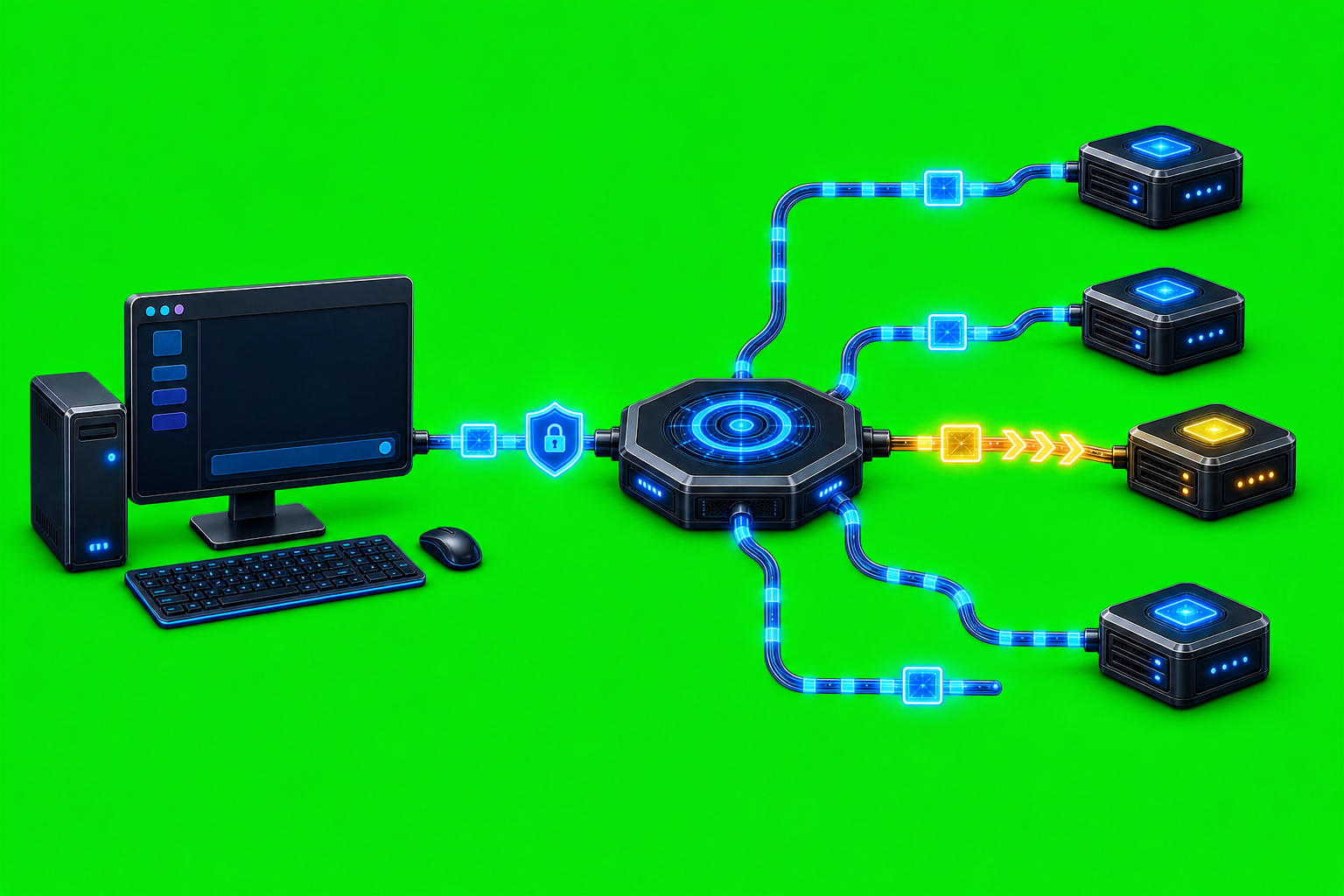
AxiOwl vs Traditional Automation Tools Traditional automation tools are usually built around executing steps. A script runs commands. A workflow engine moves data through tasks. A macro clicks or types through a user interface. Those tools can be valuable, but they are not usually designed around the problem AxiOwl is solving: letting named AI-agent chats […]
AxiOwl vs Copy-Paste Agent Coordination

AxiOwl vs Copy-Paste Agent Coordination Copy-paste coordination is the simplest way to make two AI sessions work together: read one agent's answer, paste it into another agent, then carry the reply back by hand. It works for one-off experiments. It breaks down when the work needs routing, sender identity, receipts, repeatability, or more than one […]