How to Use AxiOwl Without Losing Track of Which Agent Is Which
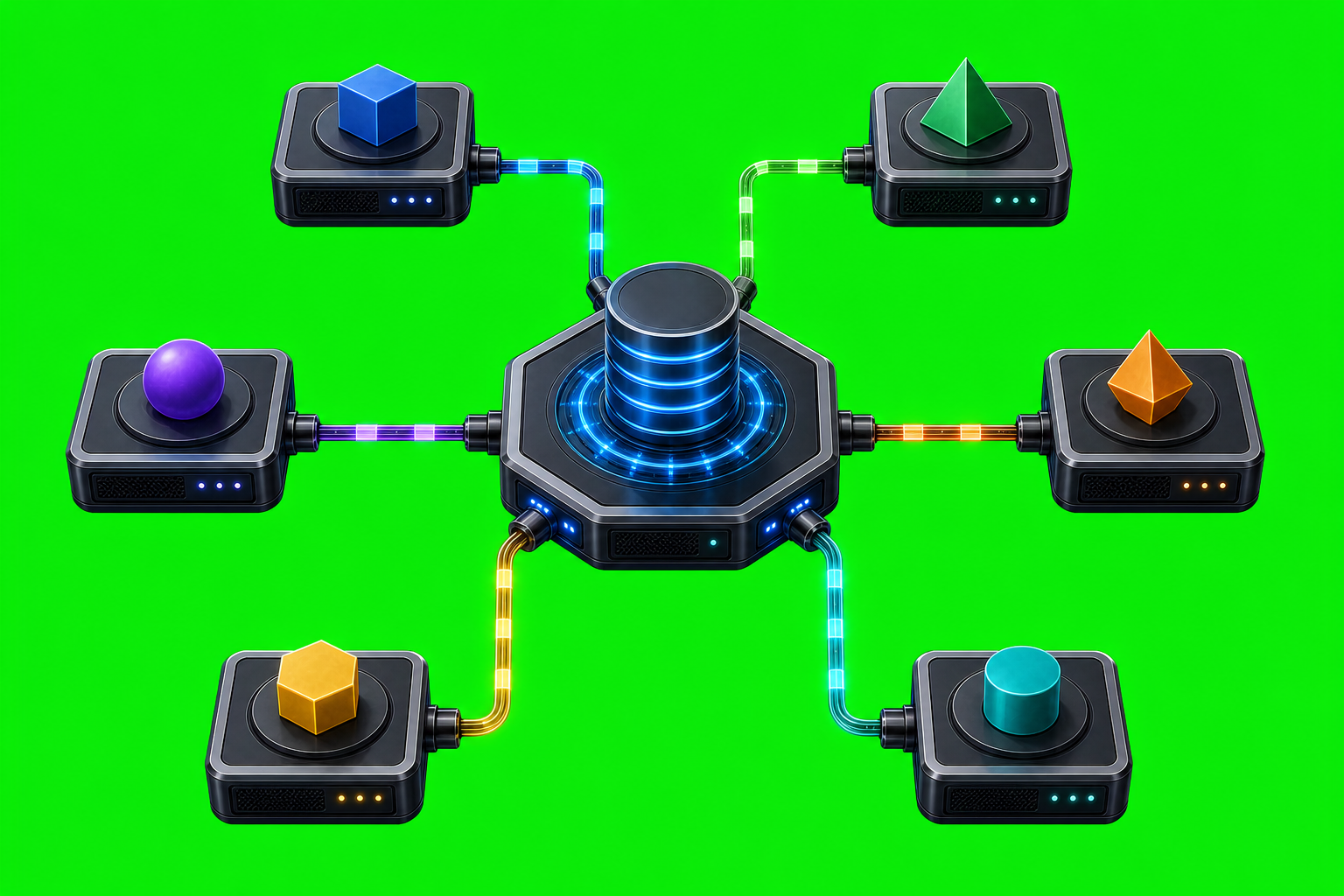
How to Use AxiOwl Without Losing Track of Which Agent Is Which When several AI coding tools are open at once, names stop being enough. A chat title can be reused. A provider can expose more than one session. A stale session can still look familiar in a list. AxiOwl is built around that reality: […]
How to Use AxiOwl Across Multiple Computers

How to Use AxiOwl Across Multiple Computers AxiOwl is designed first as a local Windows coordinator for AI provider sessions. It discovers provider chats on the machine, records them in a registry, sends messages to named sessions, and exposes MCP tools so providers can reply with their real session identity. That local-first model matters when […]
How to Use AxiOwl With Multiple Open Chat Sessions
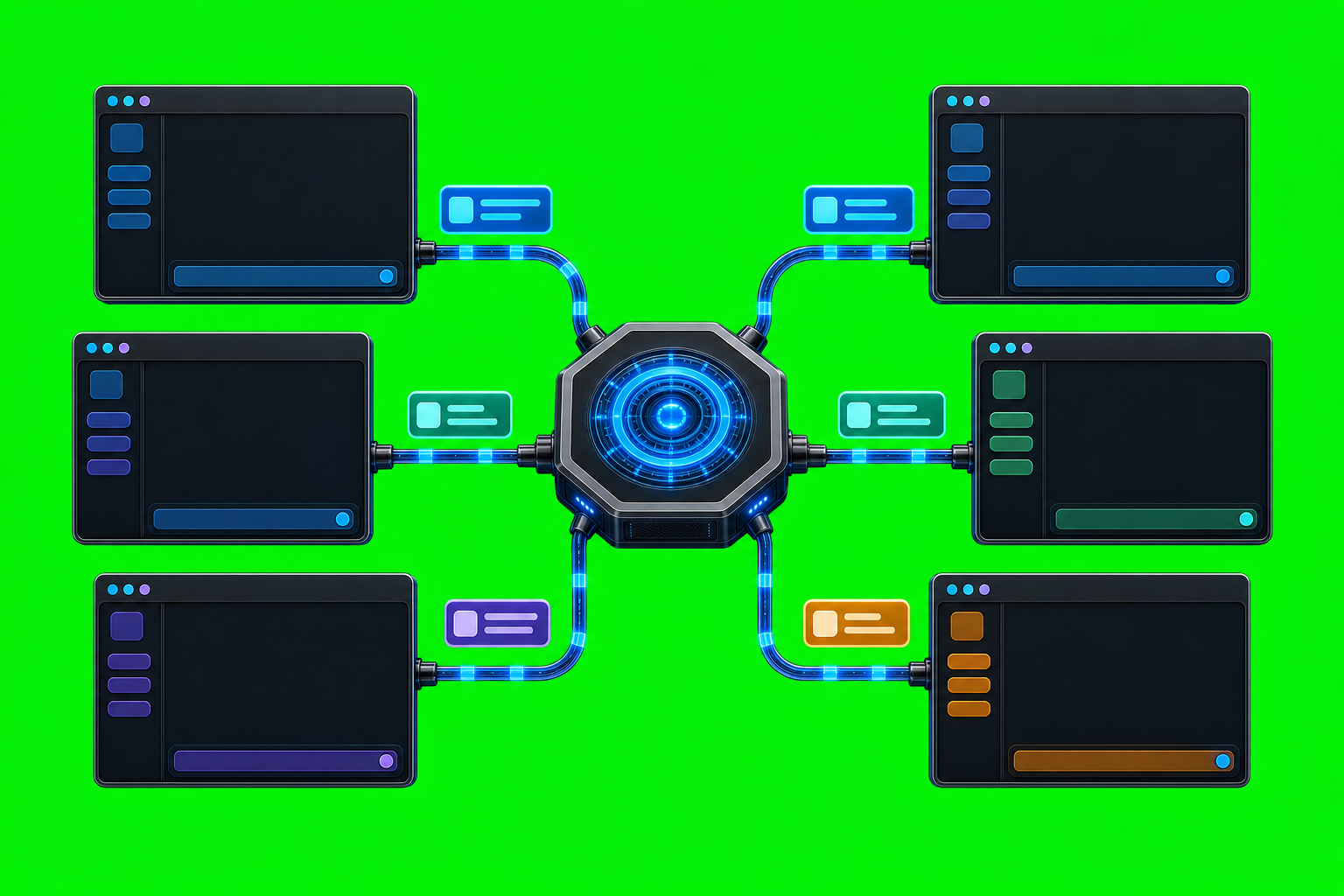
How to Use AxiOwl With Multiple Open Chat Sessions Multiple AI chat windows are useful only if you can address the right one. AxiOwl is built around that problem: it acts as a local Windows coordinator that discovers provider sessions, records them in a durable registry, and routes messages to selected sessions through provider-specific delivery […]
How to Route Work From One Agent to Another
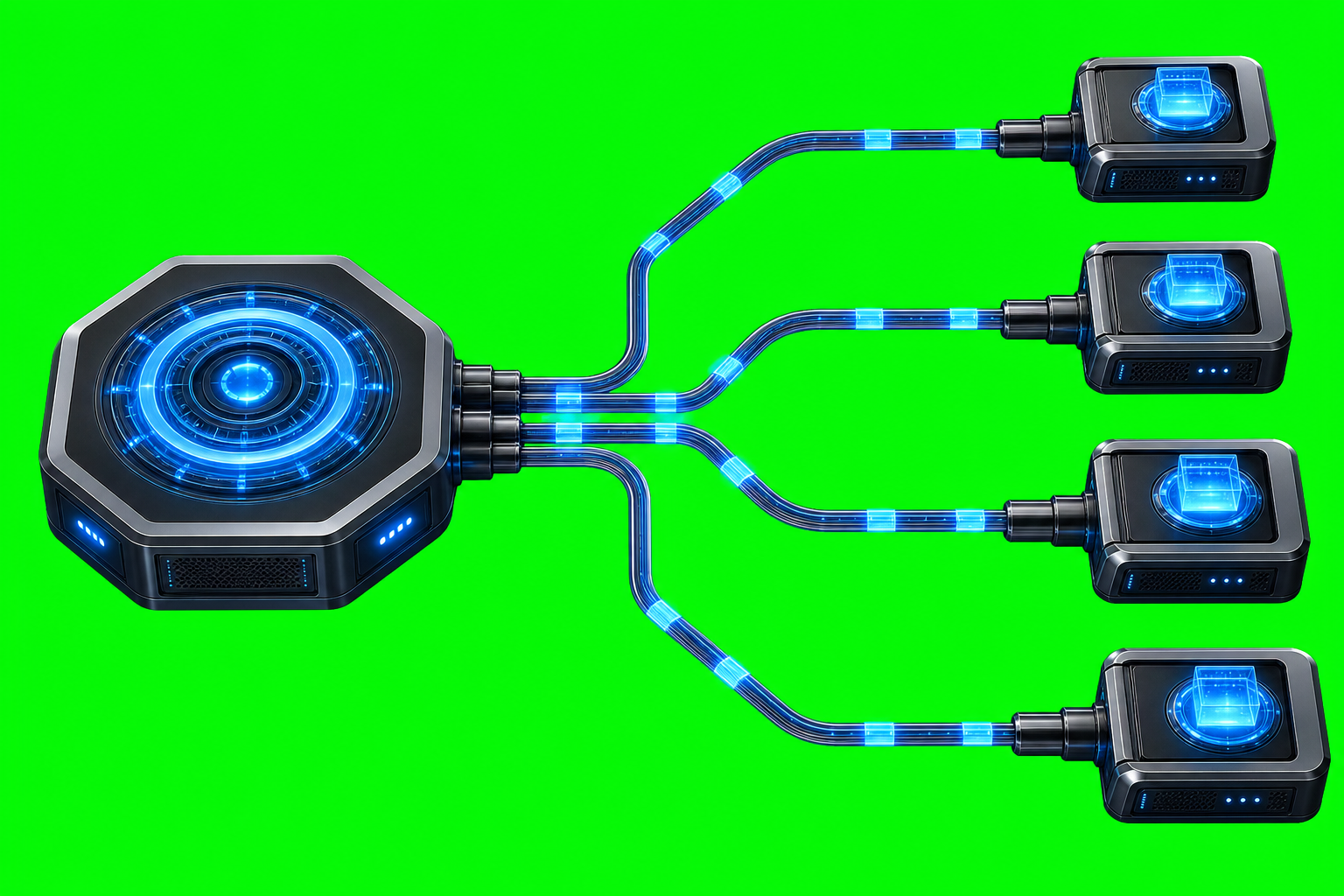
How to Route Work From One Agent to Another Routing work between AI agents is only useful if the handoff lands in the right session and the sender can understand what happened. AxiOwl treats that as a transport problem, not a prompt-writing trick. A named sender sends a text body to a named target, AxiOwl […]
How to Send Messages Between Named Agents

How to Send Messages Between Named Agents AxiOwl's core job is deliberately small: send one text message from one named agent to one named agent, route it through the correct provider edge, and record what happened. Instead of making a user remember provider-specific session identifiers, the operator addresses a human-readable agent name and lets AxiOwl […]
Common First-Time AxiOwl Setup Problems
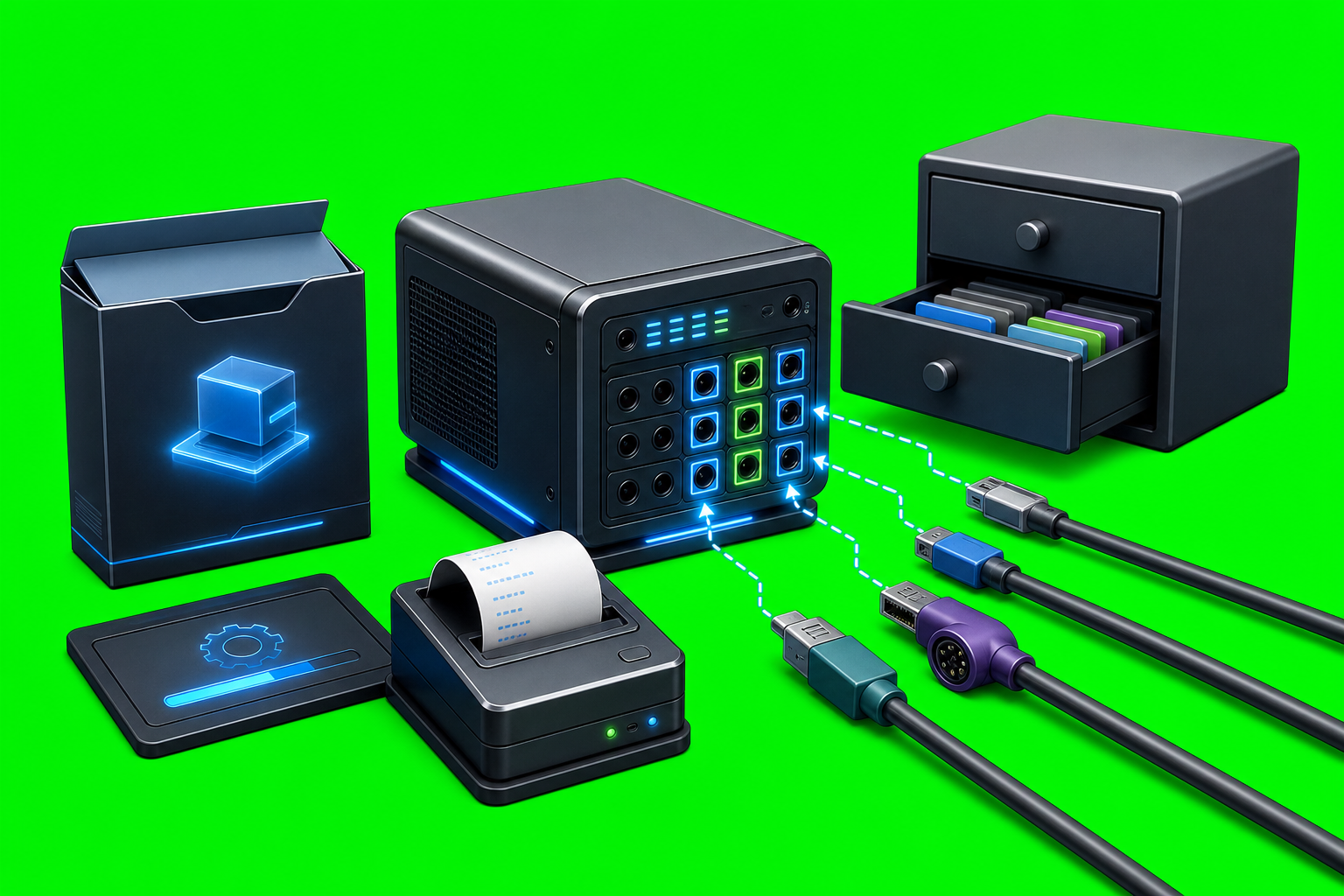
Common First-Time AxiOwl Setup Problems AxiOwl setup is not just "install an app and send a message." The current C++ implementation is a local Windows coordinator that installs axiowl.exe, keeps a durable local registry, discovers supported provider sessions, configures selected provider integrations, and exposes both a CLI and an MCP server. First-time problems usually come […]
How to Know If AxiOwl Is Working Correctly
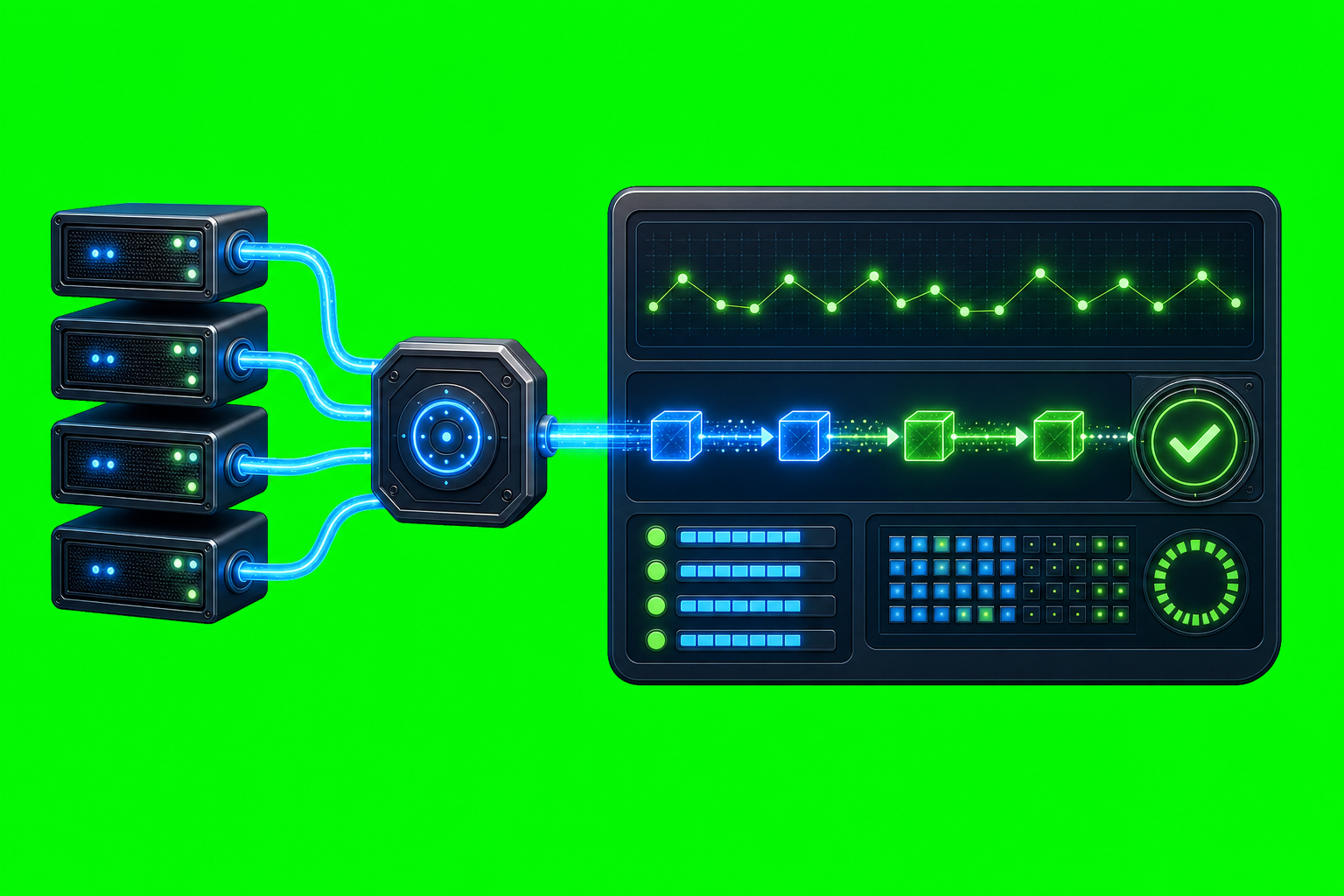
How to Know If AxiOwl Is Working Correctly AxiOwl is working correctly when more than one layer agrees: the runtime is installed, the registry has sendable provider sessions, discovery can refresh those sessions, the MCP tools are visible to the host, and a real provider can receive a message and reply through AxiOwl with the […]
How to Add a Remote Node to AxiOwl
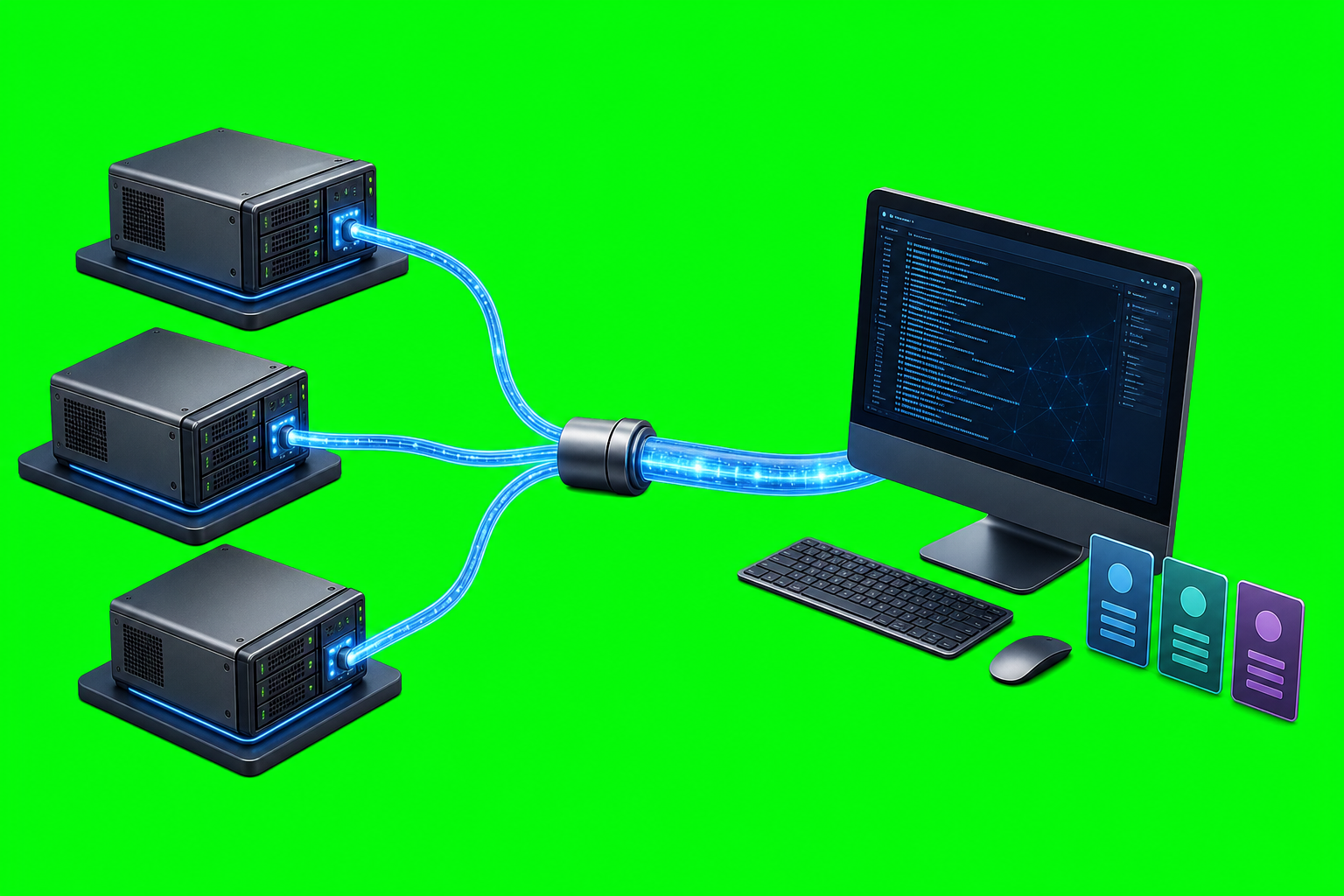
How to Add a Remote Node to AxiOwl A remote node in AxiOwl is a Linux machine that the Windows AxiOwl coordinator can reach over SSH and use as a remote Codex delivery endpoint. The important part is not just that the host exists. AxiOwl needs a registered node row, a verified SSH path, a […]
How to Connect AxiOwl to Your First Provider
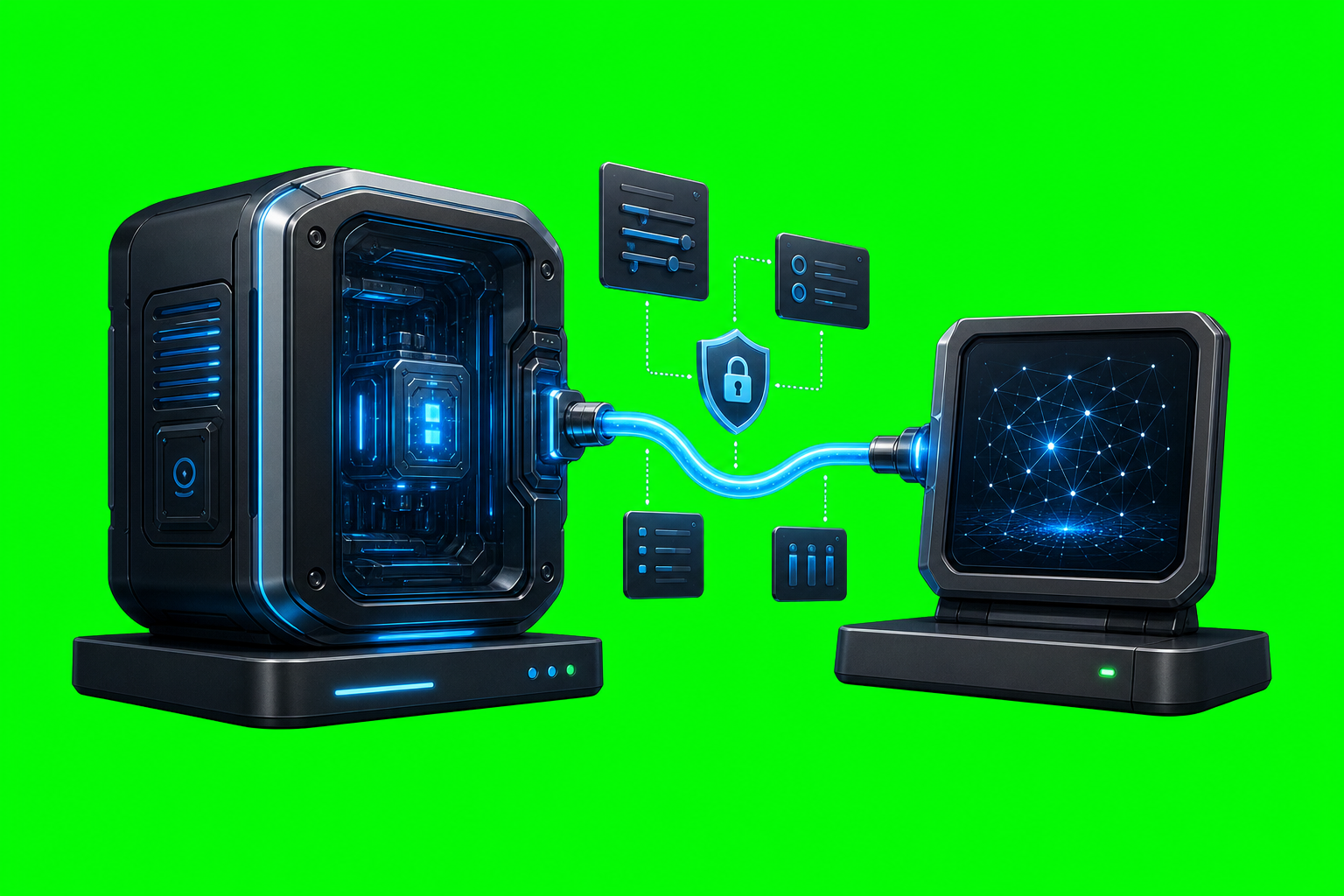
How to Connect AxiOwl to Your First Provider Connecting AxiOwl to a provider means more than adding a shortcut or writing a config file. In the current AxiOwl implementation, the Windows runtime discovers provider sessions, records reachable chats in a local registry, sends messages through provider-specific edges, and expects replies to come back through AxiOwl […]
How to Create Your First Named Agent
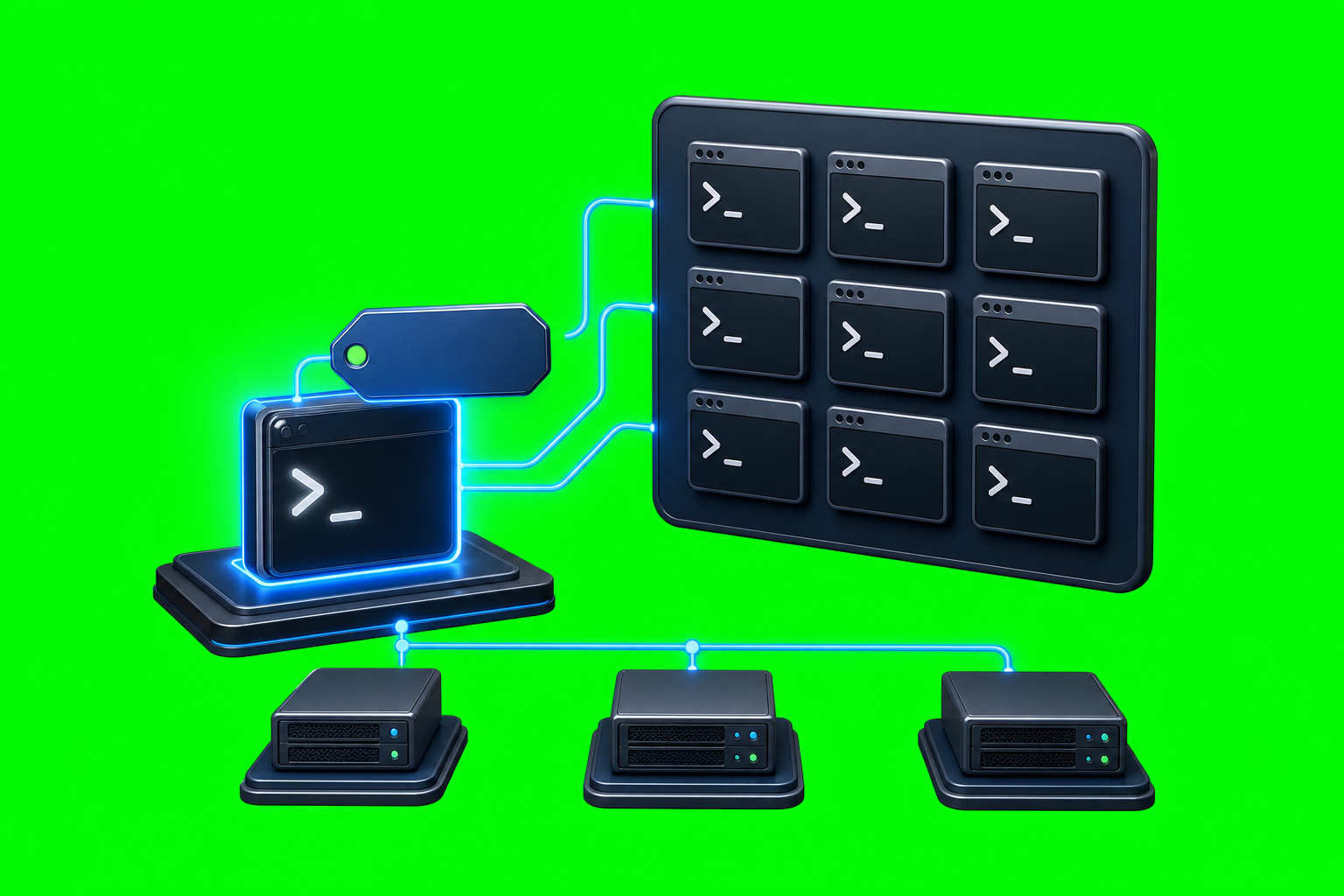
How to Create Your First Named Agent A named agent in AxiOwl is a sendable target you can refer to by a human-readable name instead of by a raw provider session ID. That name is not just cosmetic. AxiOwl stores it in its local registry with the provider, session ID, node, aliases, timestamps, and sendability […]