Using AxiOwl for Infrastructure Maintenance
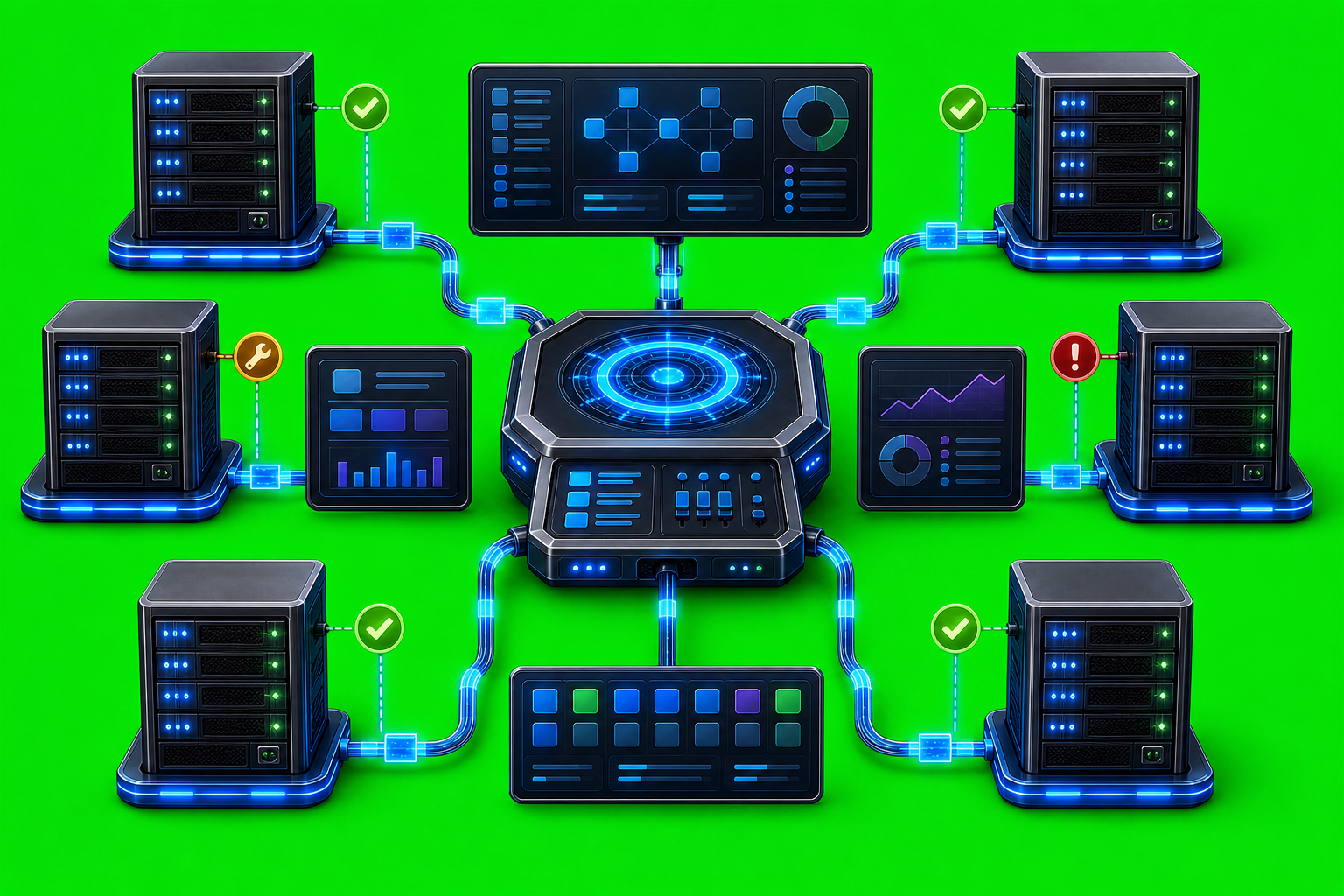
Using AxiOwl for Infrastructure Maintenance Infrastructure maintenance is mostly coordination: check the current state, assign the right operator or agent, send the exact instruction, keep a receipt, and preserve enough evidence to debug what happened later. AxiOwl is useful in that work because it treats AI provider sessions as named operational endpoints instead of anonymous […]
Using AxiOwl for Multi-Agent WordPress Operations
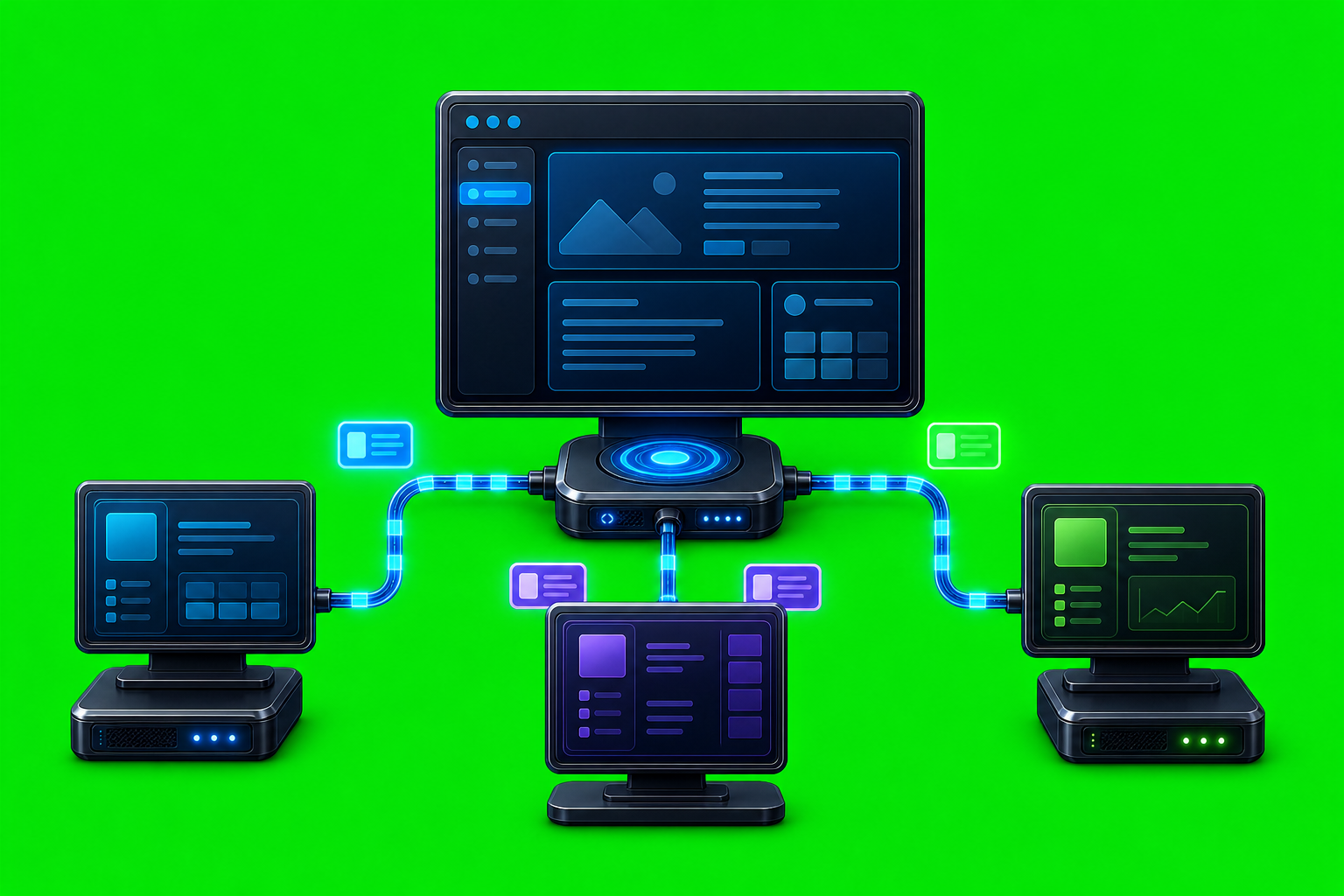
Using AxiOwl for Multi-Agent WordPress Operations WordPress operations often involve more than one kind of work at the same time. One agent may inspect a plugin build, another may check content or routing, another may review deployment notes, and another may verify behavior in a browser. The hard part is not just giving agents tasks. […]
Using AxiOwl to Delegate Repetitive Engineering Tasks
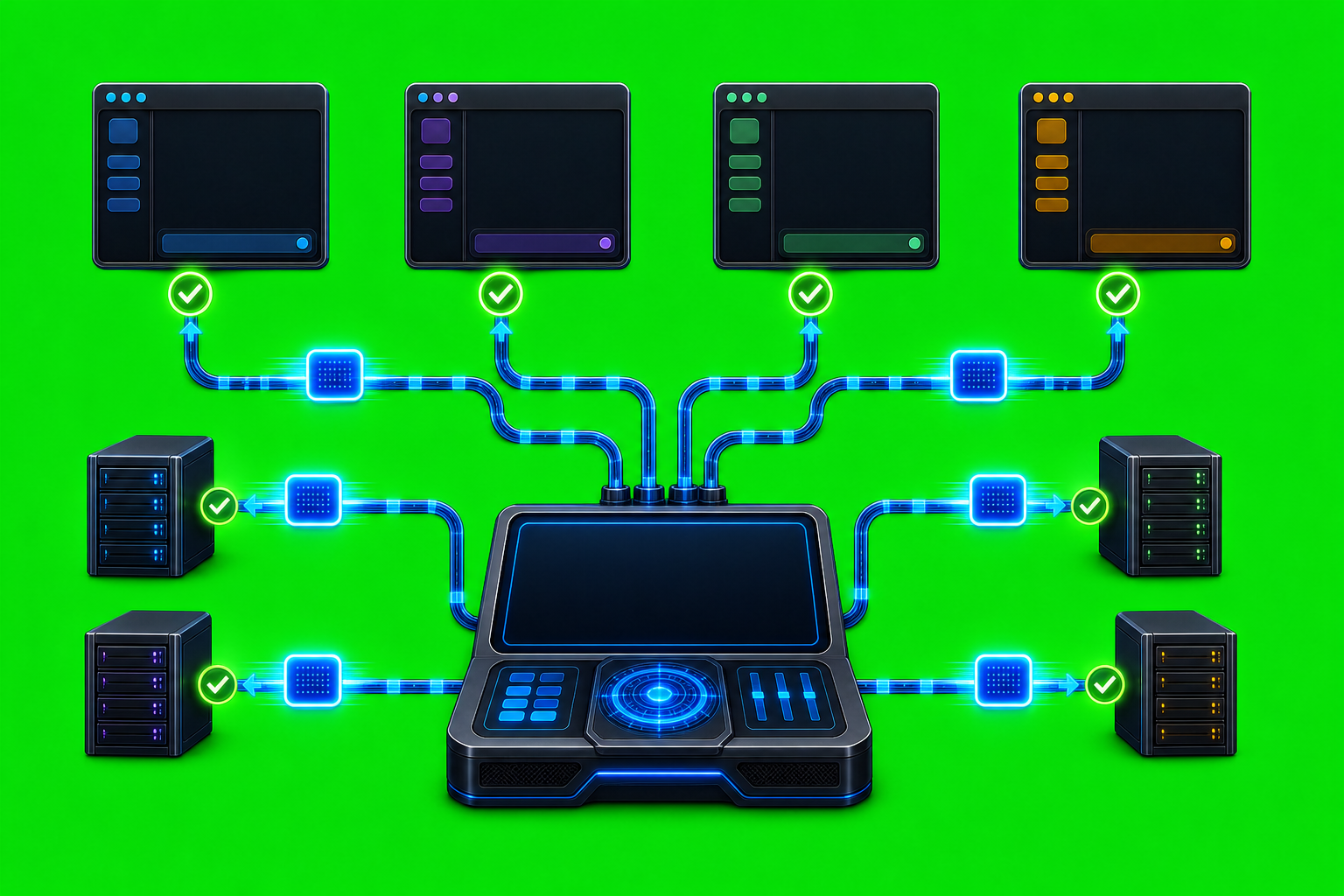
Using AxiOwl to Delegate Repetitive Engineering Tasks Repetitive engineering work is rarely difficult because each individual step is complex. It is difficult because the same careful instructions have to be carried from one context to another: ask one assistant to inspect a code path, ask another to run a focused check, ask a third to […]
Using AxiOwl to Coordinate a Small AI Development Team
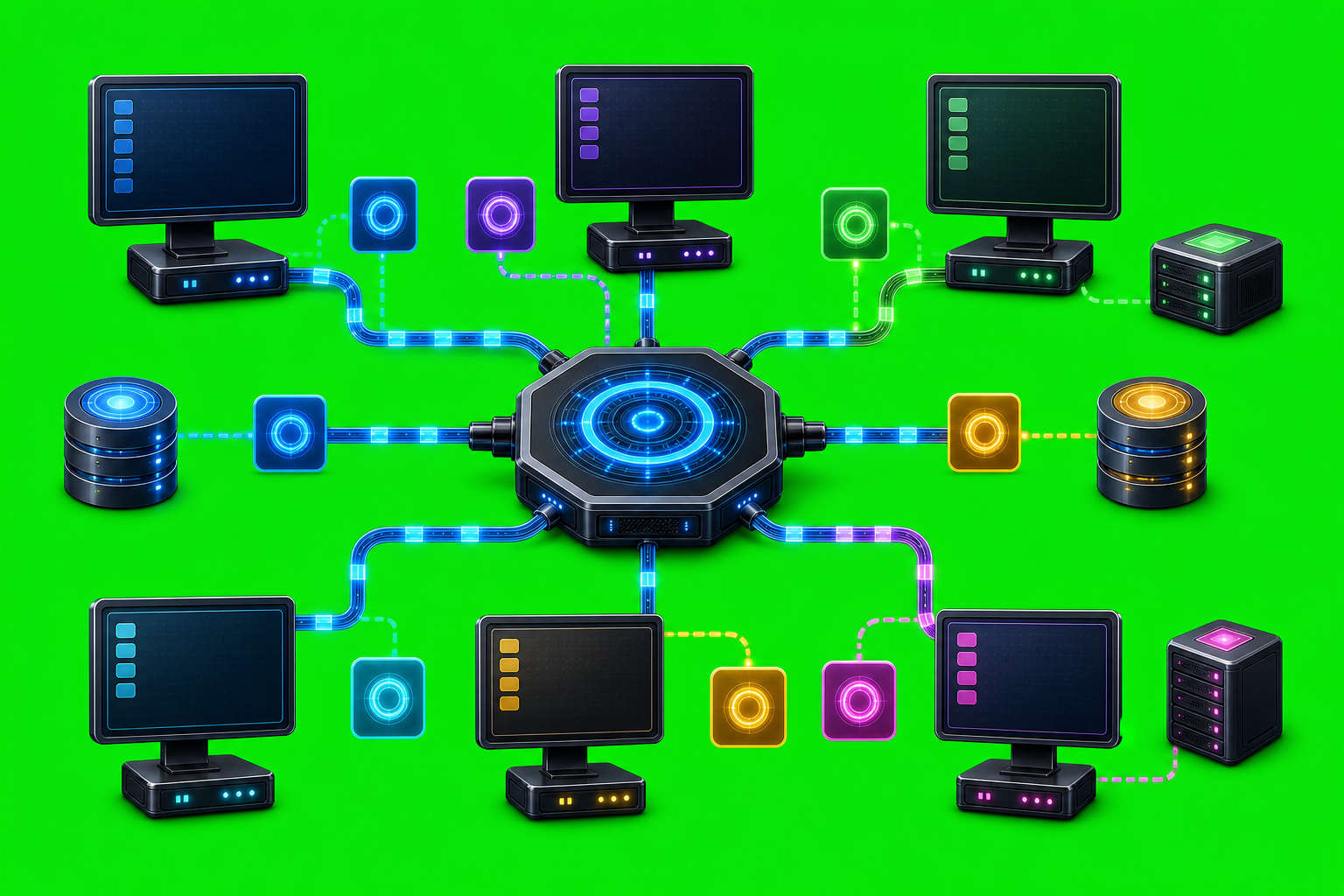
Using AxiOwl to Coordinate a Small AI Development Team Small AI development teams do not always look like one person chatting with one model. A real workflow may involve a Codex thread handling code changes, a VS Code or Copilot-backed chat checking editor behavior, an Antigravity session working through a desktop surface, and another provider […]
Using AxiOwl to Manage a Remote Server

Using AxiOwl to Manage a Remote Server Remote server work is usually split between two worlds: the local machine where the operator is thinking and the Linux host where the work needs to happen. AxiOwl's current remote-server path is built around making that boundary explicit. The local AxiOwl runtime keeps node records, verifies SSH reachability, […]
How to Debug a Failed Agent Message
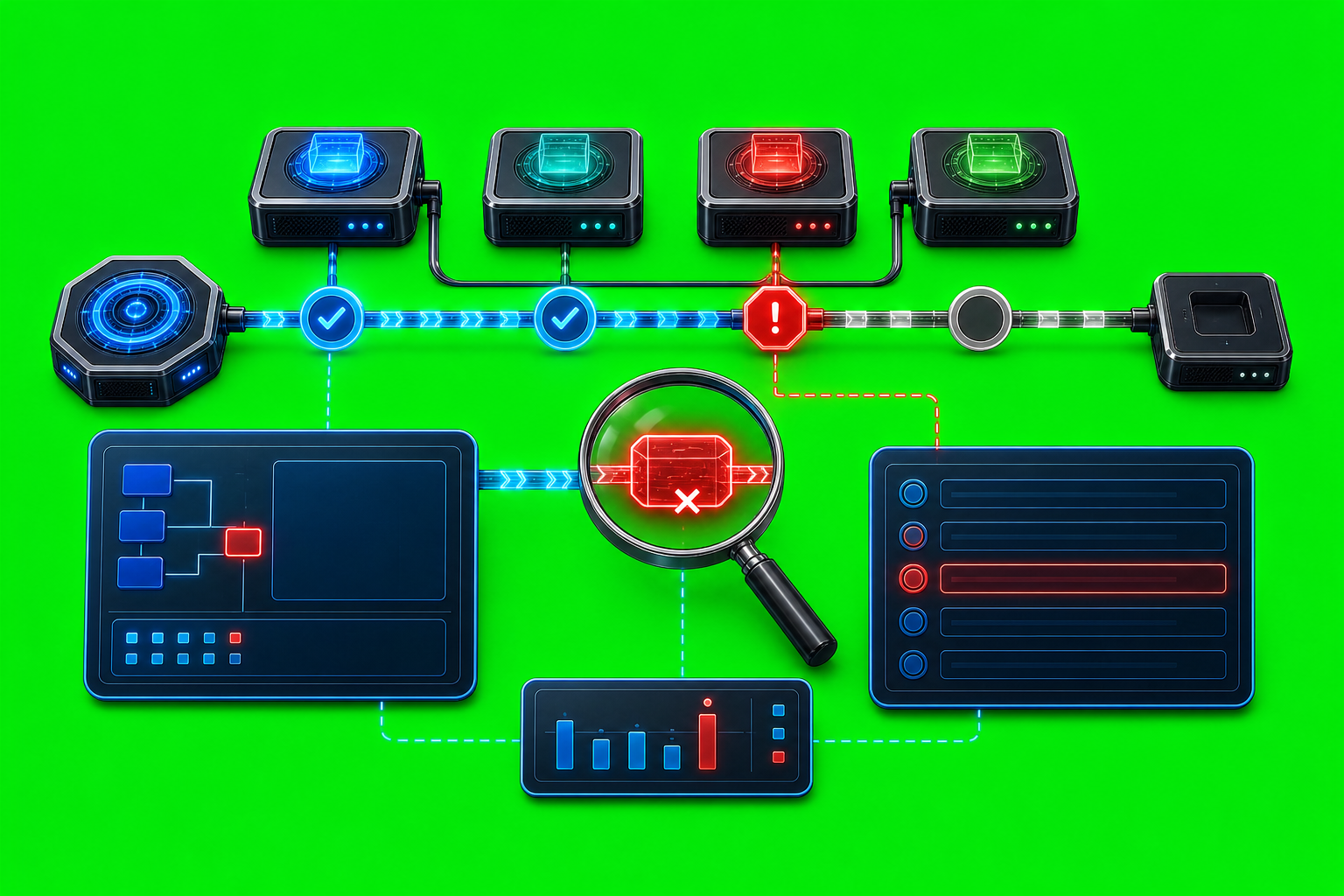
How to Debug a Failed Agent Message A failed agent message is not one problem. It can be a bad command, a missing sender identity, a stale target row, a provider edge that rejected the handoff, or a delivery path that AxiOwl accepted but has not proven inside the provider yet. The fastest way to […]
How to Check Whether a Message Was Delivered

How to Check Whether a Message Was Delivered Message delivery in an agent system is not a single yes-or-no event. A message can be accepted by the local coordinator, handed to a provider-specific delivery path, accepted by that provider, and then answered by the target session. Those are different checkpoints, and AxiOwl is deliberately designed […]
How to Use AxiOwl for Long-Running Work

How to Use AxiOwl for Long-Running Work Long-running agent work is different from a quick prompt. A short request can live in one chat window. A longer job often needs a named worker, a clear handoff, a way to send follow-up instructions, and a record of what happened after the first message left your hands. […]
How to Hand Off Work Between Agents

How to Hand Off Work Between Agents Handing off work between agents should not depend on copying a paragraph into the right chat window and hoping the receiving model understands where it came from. A useful handoff needs an addressed recipient, a real sender identity, a visible task body, and a return path that the […]
How to Ask One Agent to Report Back to Another Agent

How to Ask One Agent to Report Back to Another Agent The useful version of agent-to-agent messaging is not just "send this prompt over there." It is "send this prompt to that specific agent, and make the answer come back through the same routing system with a sender identity AxiOwl can verify." AxiOwl is built […]