How AxiOwl Handles Remote Nodes Safely
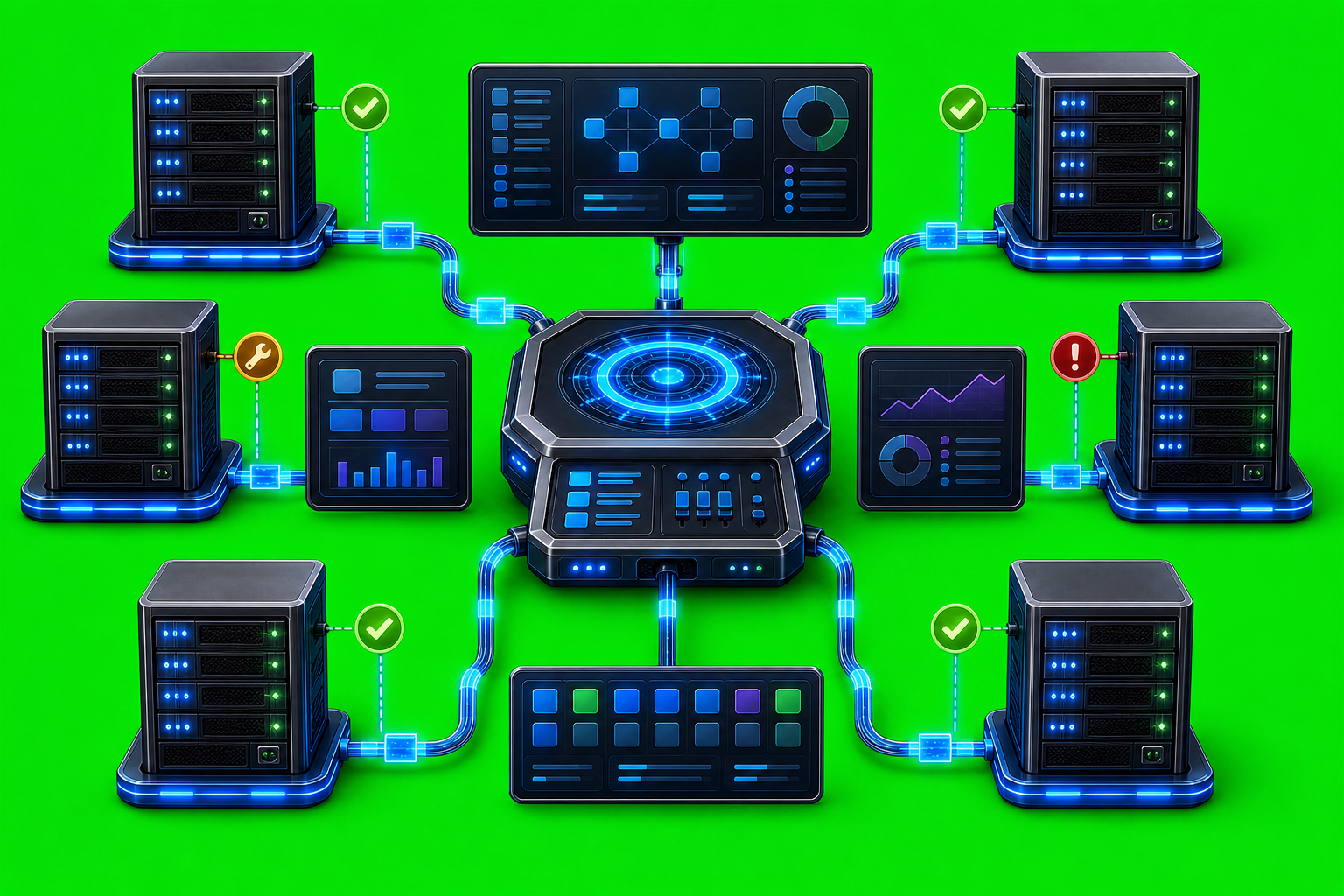
How AxiOwl Handles Remote Nodes Safely Remote automation is useful only when it is explicit. A remote node can extend an operator's reach from a local Windows coordinator to a Linux machine, but that same reach becomes risky if it turns into an invisible fallback, a stale host entry, or a background deployment path that […]
Why AxiOwl Avoids Open Inbound Manager Ports
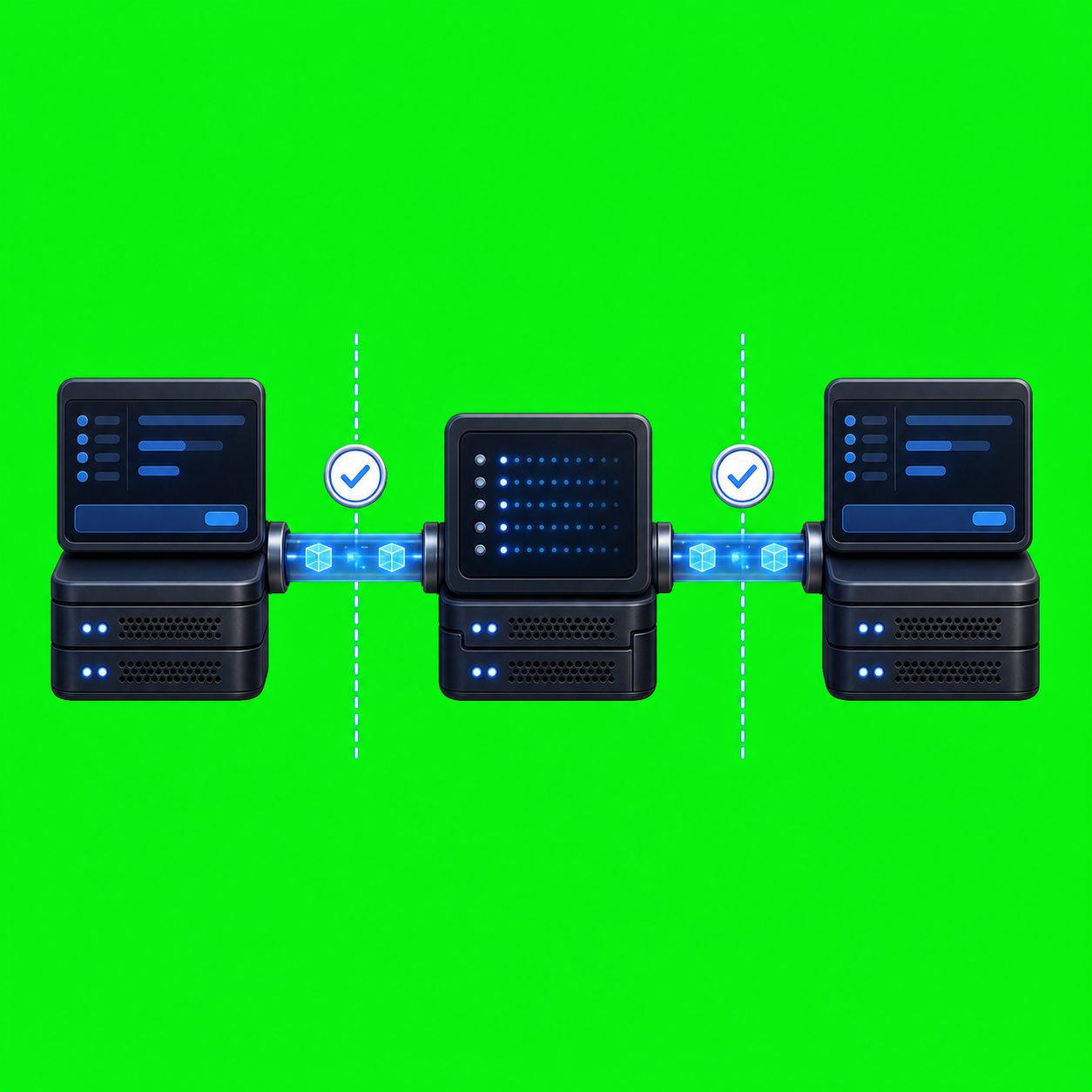
Why AxiOwl Avoids Open Inbound Manager Ports Open inbound manager ports are tempting in agent systems because they make routing look simple. Put a manager on a network port, let every node call it, and treat the manager as the center of the system. AxiOwl takes a different path. Its current design keeps coordination local, […]
Why AxiOwl Uses SSH for Remote Routing

Why AxiOwl Uses SSH for Remote Routing Remote routing in AxiOwl is not built around a public network service. The current Windows desktop line treats the Windows build as the local coordinator and registry owner, then reaches Linux remote nodes through SSH. On the Linux side, AxiOwl exposes a small command surface: axiowl relay-session –stdio, […]
How AxiOwl Thinks About Agents, Nodes, and Providers
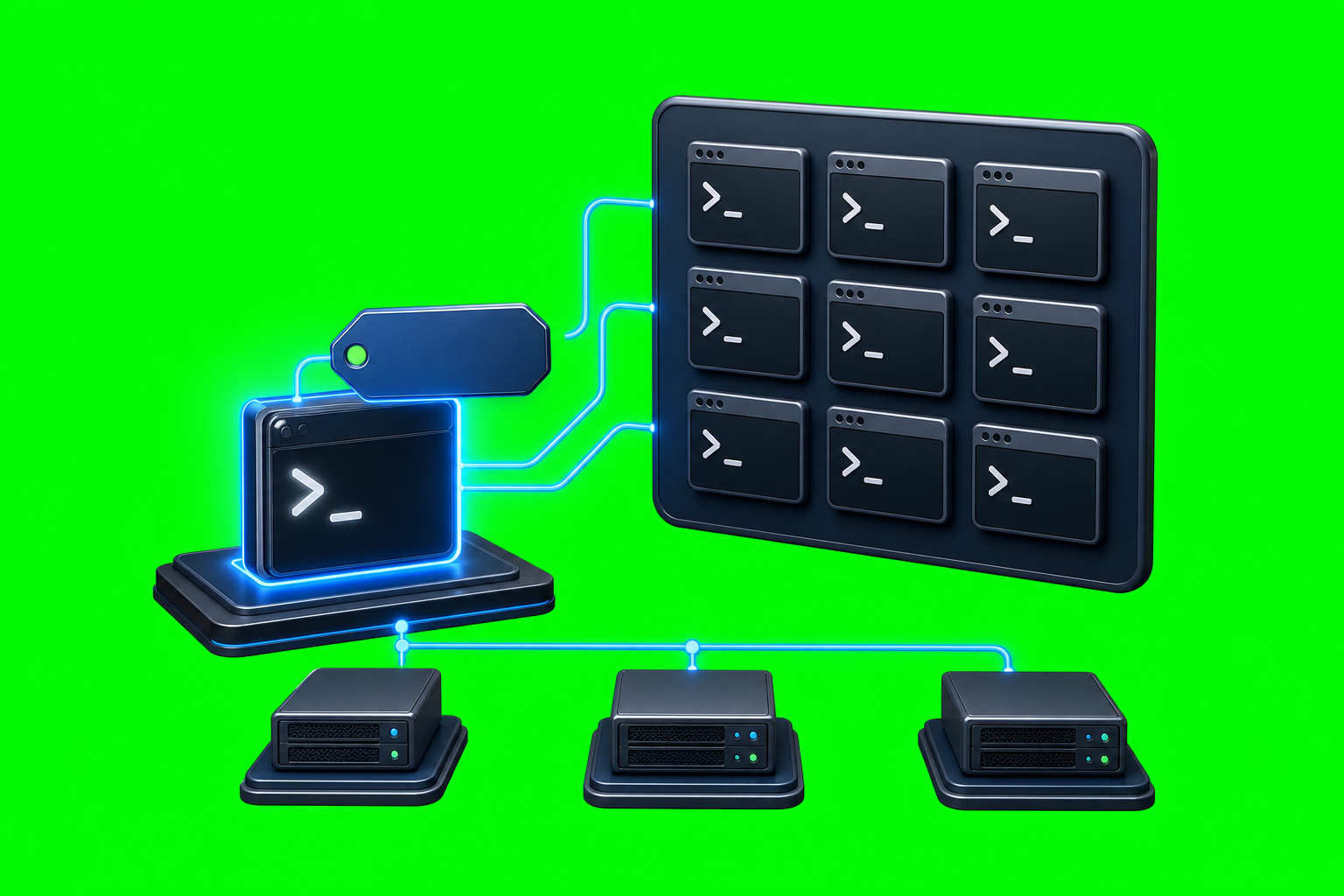
How AxiOwl Thinks About Agents, Nodes, and Providers AxiOwl is easiest to understand when its routing model is split into three plain nouns: agents, nodes, and providers. An agent is the addressable conversation or session a message can target. A node is the machine where that agent lives. A provider is the delivery surface AxiOwl […]
AxiOwl vs Traditional Automation Tools

AxiOwl vs Traditional Automation Tools Traditional automation tools are usually built around executing steps. A script runs commands. A workflow engine moves data through tasks. A macro clicks or types through a user interface. Those tools can be valuable, but they are not usually designed around the problem AxiOwl is solving: letting named AI-agent chats […]
AxiOwl vs Manual SSH Workflows
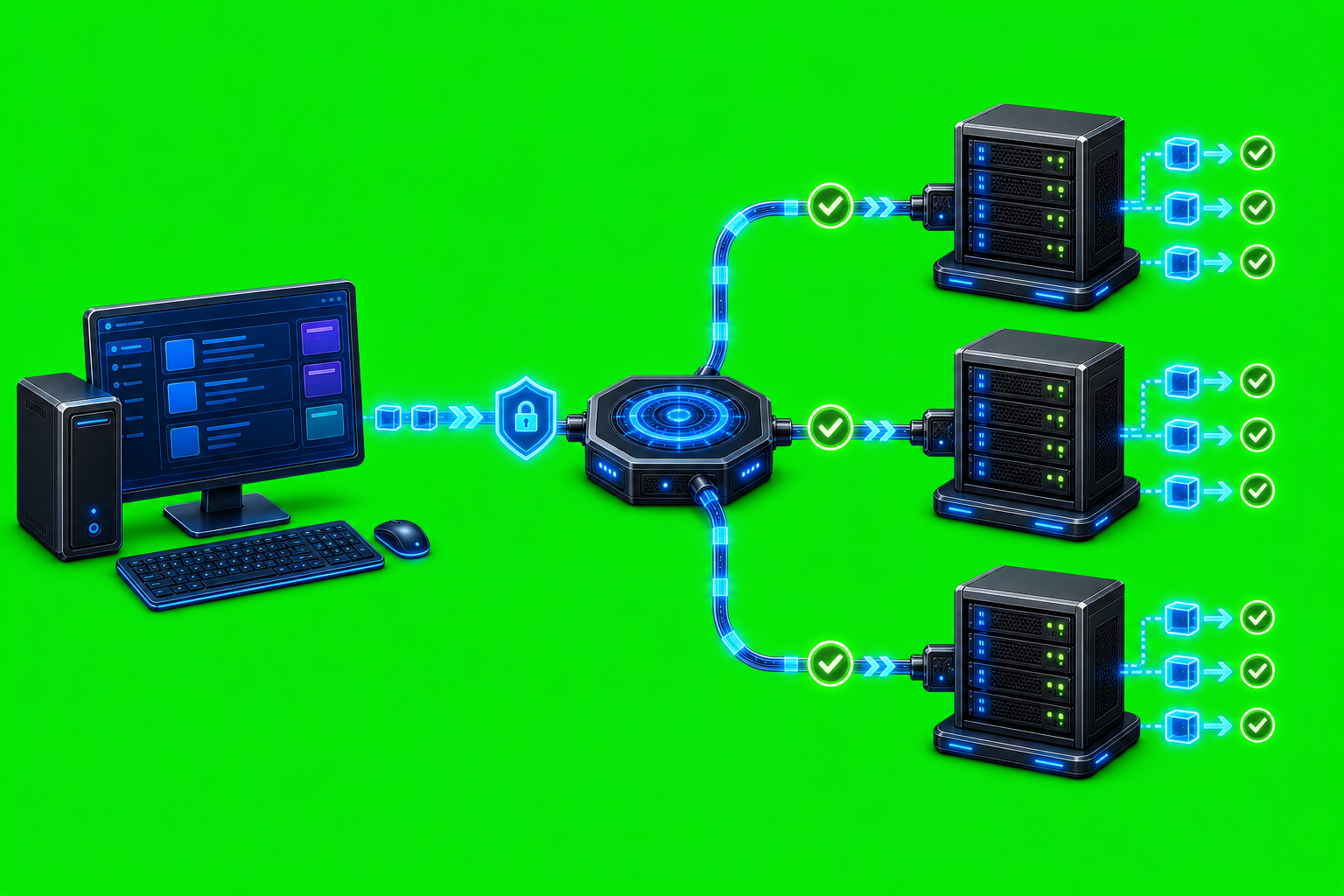
AxiOwl vs Manual SSH Workflows Manual SSH is still one of the most useful tools an operator has. It is direct, inspectable, and universal enough to reach almost any Linux node that has a shell and a key. But manual SSH is also easy to turn into an untracked workflow: a remembered host, a copied […]
How AxiOwl Finds Existing Provider Chats
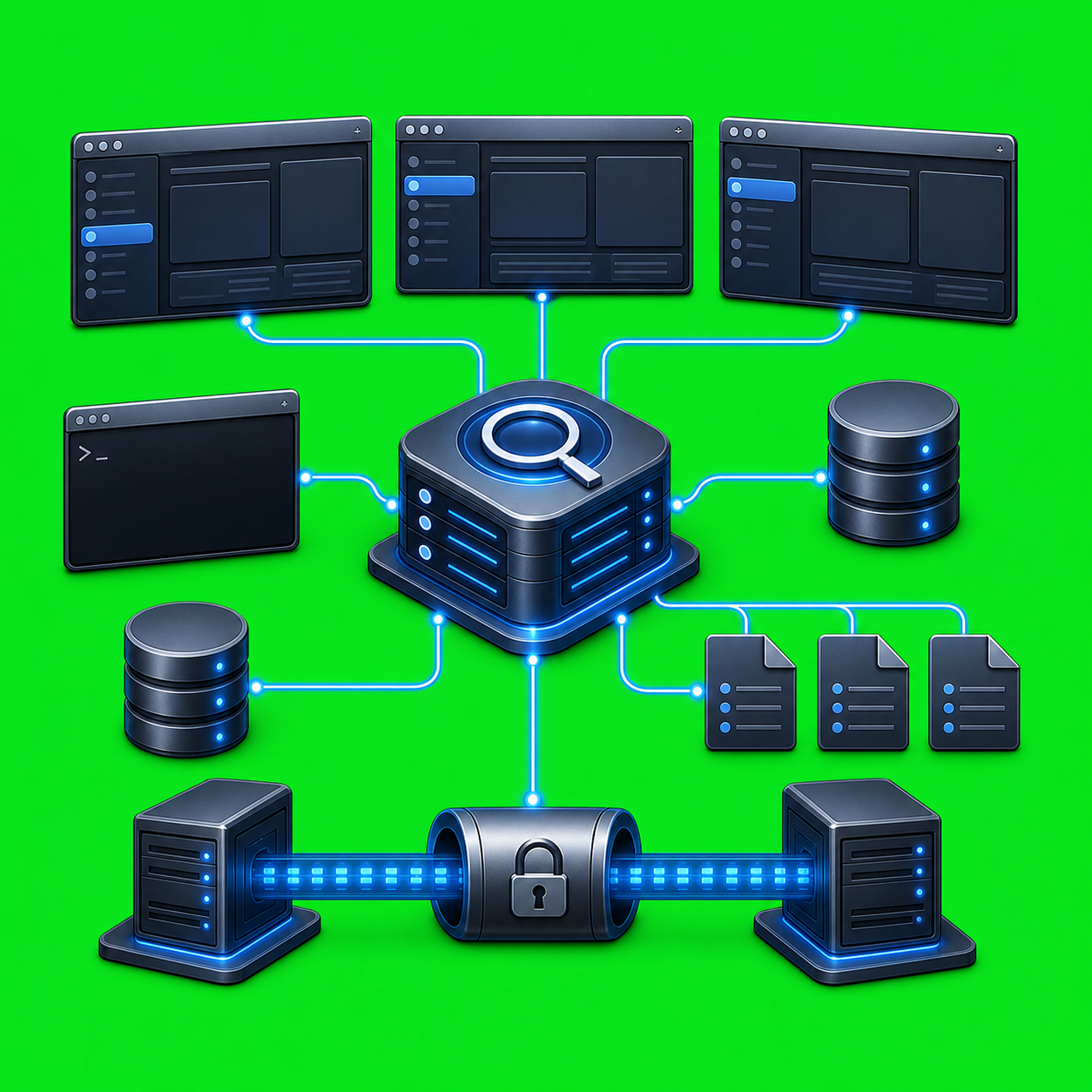
How AxiOwl Finds Existing Provider Chats AxiOwl does not treat every chat tool as a blank slate. A major part of the Windows desktop implementation is discovery: finding provider chats that already exist, proving whether they are useful delivery targets, and saving them into AxiOwl's local agent registry so operators can address them by name. […]
AxiOwl Node Registry Explained
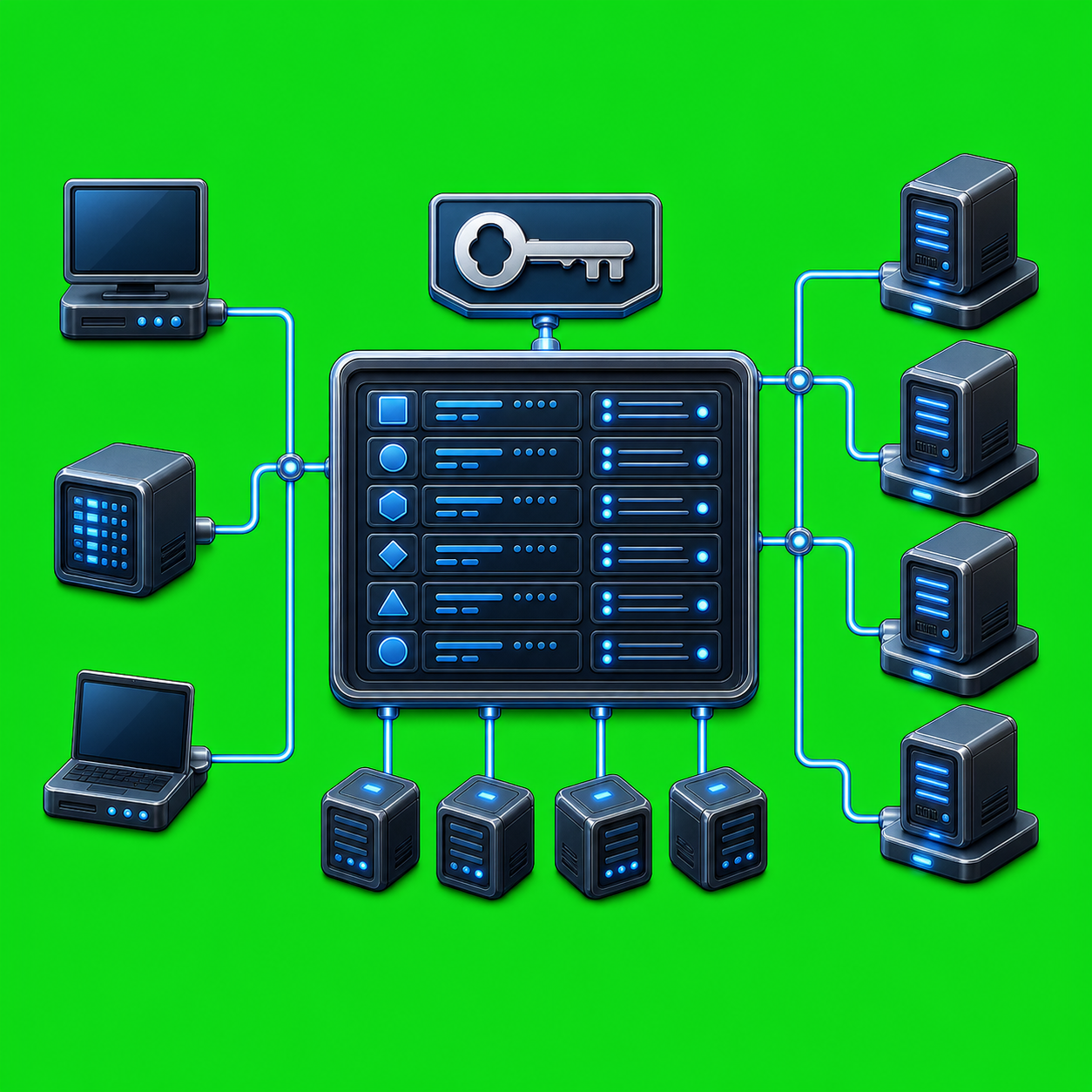
AxiOwl Node Registry Explained AxiOwl needs a practical answer to a simple routing question: when an operator says to reach a remote node, what machine is that, how should AxiOwl connect to it, and is the node still usable? The node registry is the small durable table that answers those questions. In the current AxiOwl […]
AxiOwl Remote Execution Without Open Manager Ports
AxiOwl Remote Execution Without Open Manager Ports Remote execution usually creates a security question before it creates an automation question: what has to be listening on the remote machine? AxiOwl's current remote design keeps that answer deliberately narrow. The Windows-side AxiOwl runtime acts as the local coordinator and remote provider, while the Linux-side package acts […]
AxiOwl Remote Nodes Explained
AxiOwl Remote Nodes Explained AxiOwl remote nodes are Linux machines that a local Windows AxiOwl installation can reach over SSH and use as remote Codex endpoints. They are not a generic cloud fallback layer, and they are not a second desktop UI. In the current implementation, the Windows build owns the local registry and coordinates […]