AxiOwl vs Manual SSH Workflows
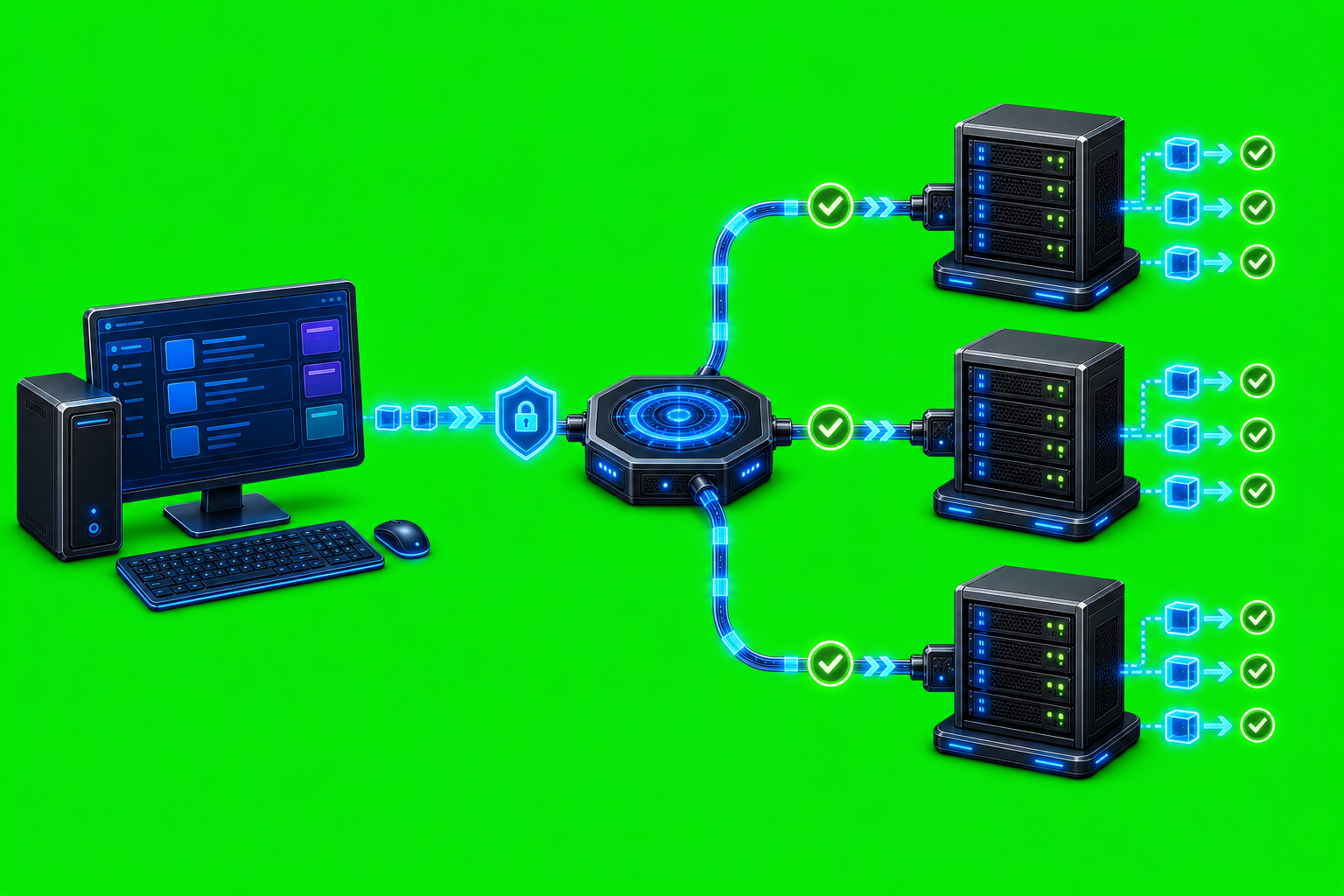
AxiOwl vs Manual SSH Workflows Manual SSH is still one of the most useful tools an operator has. It is direct, inspectable, and universal enough to reach almost any Linux node that has a shell and a key. But manual SSH is also easy to turn into an untracked workflow: a remembered host, a copied […]
How AxiOwl Finds Existing Provider Chats
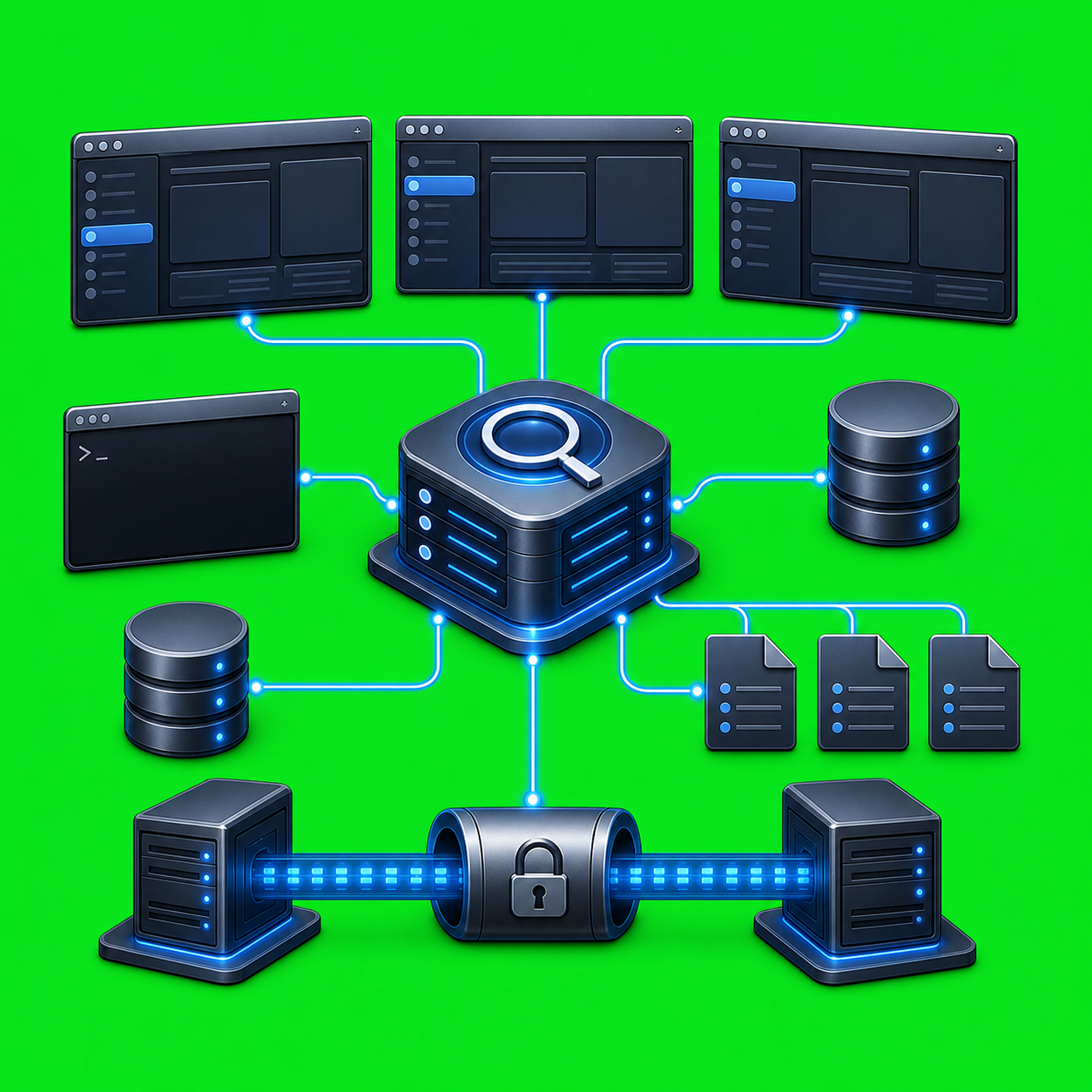
How AxiOwl Finds Existing Provider Chats AxiOwl does not treat every chat tool as a blank slate. A major part of the Windows desktop implementation is discovery: finding provider chats that already exist, proving whether they are useful delivery targets, and saving them into AxiOwl's local agent registry so operators can address them by name. […]
How AxiOwl Keeps Provider Sessions Separate

How AxiOwl Keeps Provider Sessions Separate AxiOwl is built to send messages between AI provider sessions without treating every chat window as the same kind of thing. A Codex session, a Cursor composer, a VS Code native chat, and a Copilot-backed VS Code chat may all look like "agents" to an operator, but AxiOwl keeps […]
Why AxiOwl Treats Each Provider Differently
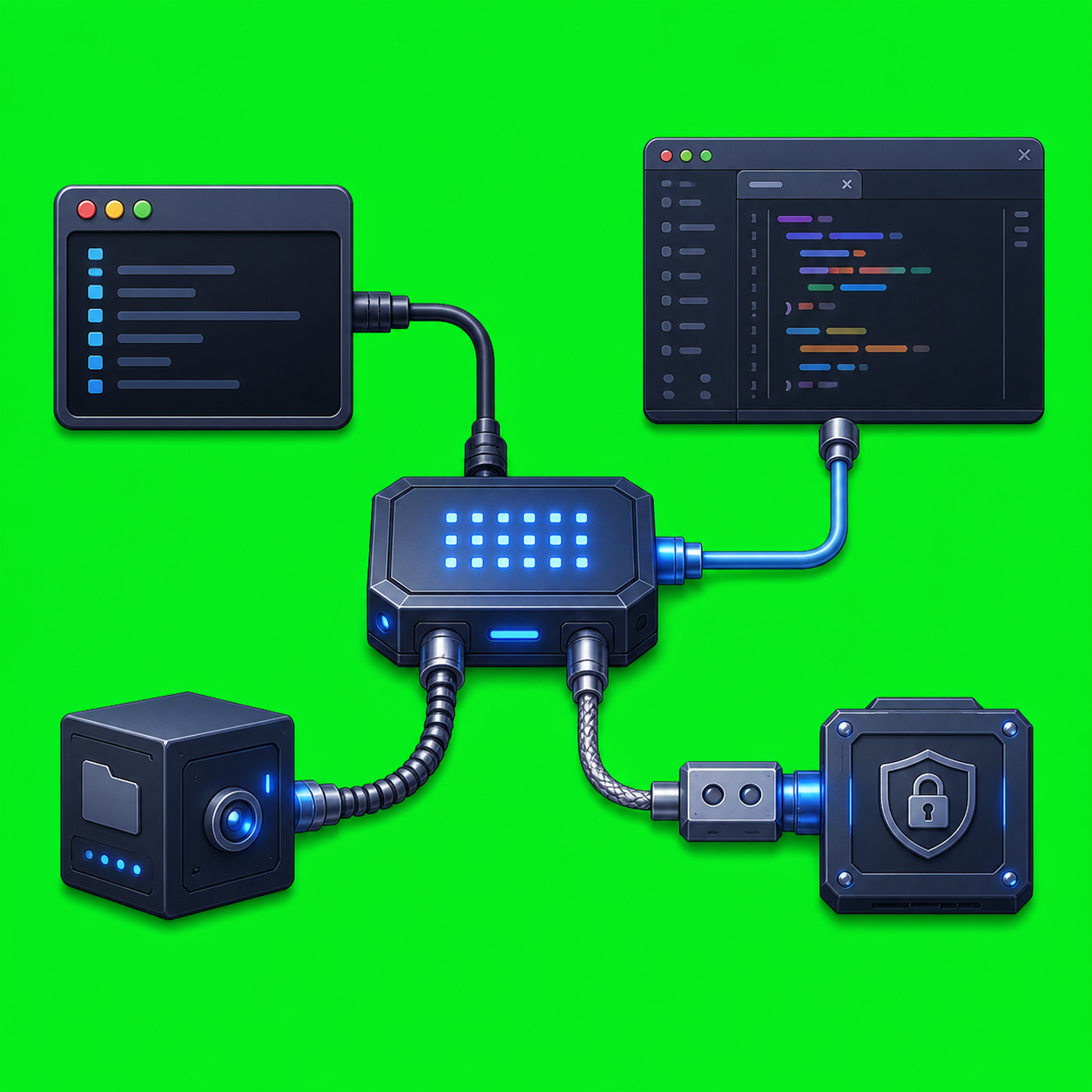
Why AxiOwl Treats Each Provider Differently AxiOwl does not treat every AI provider as the same kind of endpoint because the providers are not the same kind of endpoint. A Codex CLI thread, a Cursor Agent Window, a VS Code Copilot chat, an Antigravity agent session, and a future CLI target all expose different session […]
Using AxiOwl With Codex
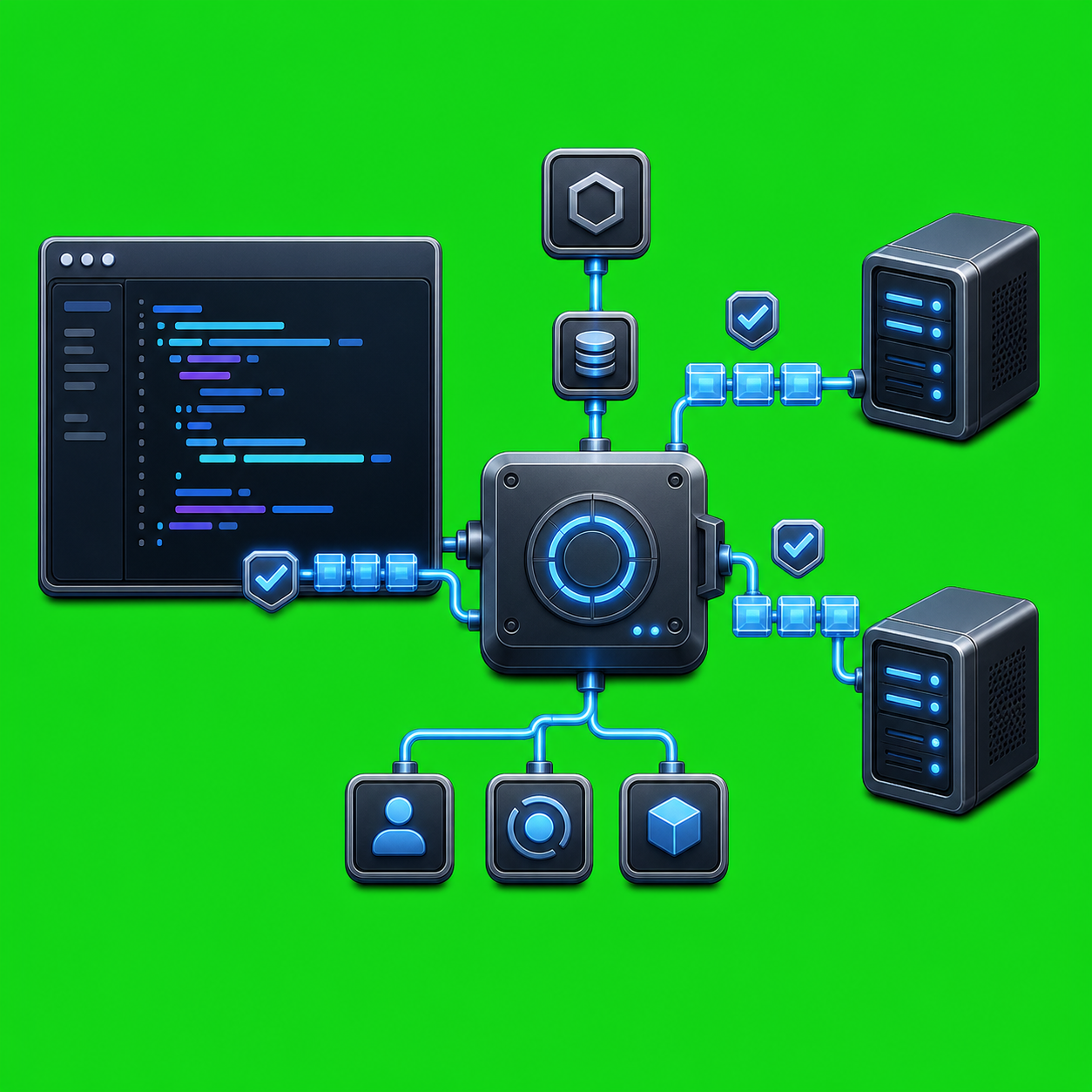
Using AxiOwl With Codex AxiOwl's Codex integration is built around a simple idea: Codex should be able to use AxiOwl as a native tool, not as a pasted shell recipe that asks the model to guess who it is. In the current AxiOwl implementation, the Codex plugin exposes an MCP server named axiowl, and that […]
AxiOwl Remote Execution Without Open Manager Ports

AxiOwl Remote Execution Without Open Manager Ports Remote execution usually creates a security question before it creates an automation question: what has to be listening on the remote machine? AxiOwl's current remote design keeps that answer deliberately narrow. The Windows-side AxiOwl runtime acts as the local coordinator and remote provider, while the Linux-side package acts […]
AxiOwl Cross-Provider Messaging Explained

AxiOwl Cross-Provider Messaging Explained Cross-provider messaging in AxiOwl means that one AI session can address another by a registered agent name, while AxiOwl handles the provider-specific mechanics underneath. The sender does not need to know whether the target is a Codex agent, a Codex CLI thread, a Cursor composer, a VS Code chat surface, VS […]
AxiOwl Installer Repair Explained

AxiOwl Installer Repair Explained Installer repair is one of those features that sounds simple until the installer is responsible for real developer tools. AxiOwl is not just copying one executable into a folder. The Windows MSI installs the local AxiOwl runtime, updates PATH, verifies MCP server mode, registers provider integrations, installs bridge extensions, writes provider […]
AxiOwl Session Discovery Explained
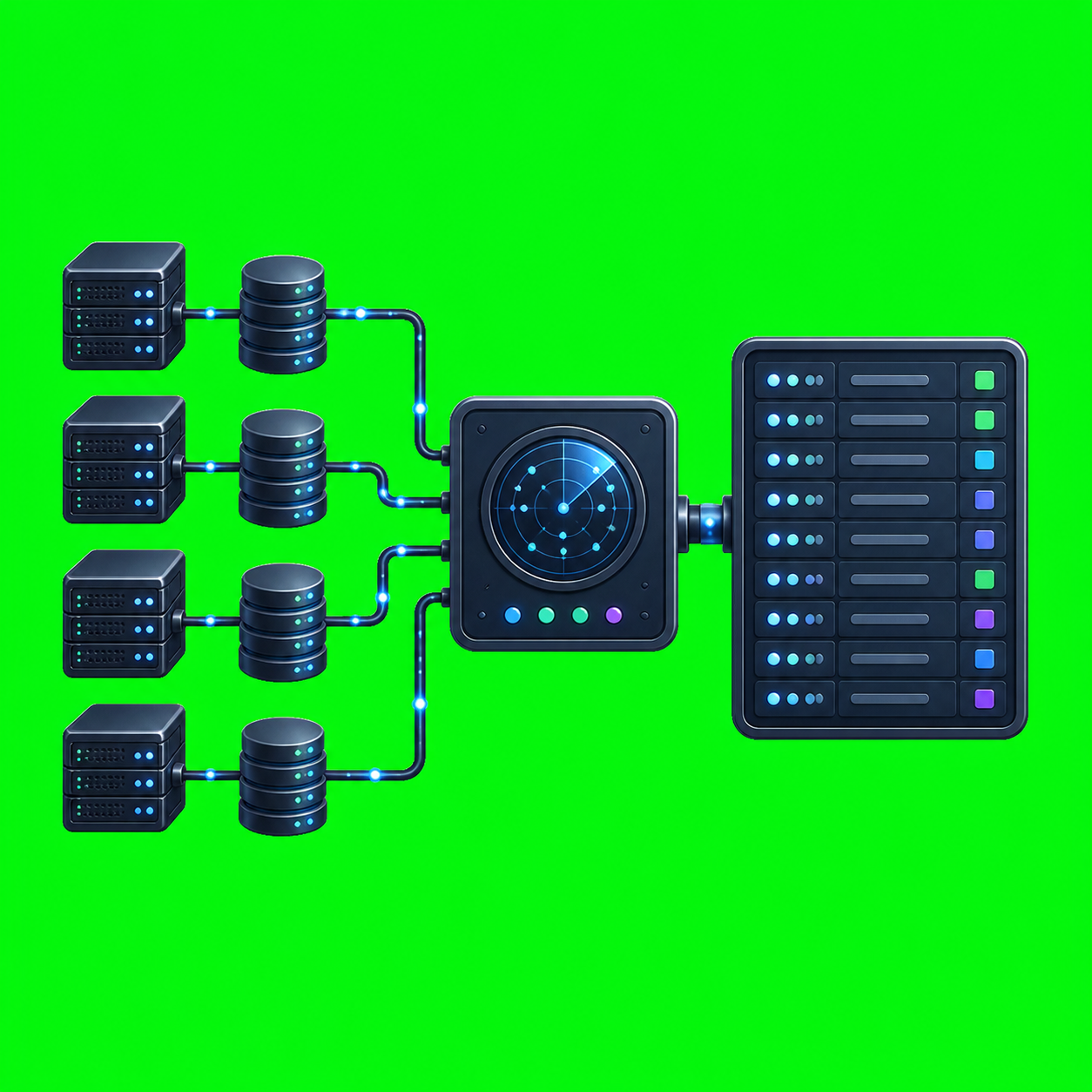
AxiOwl Session Discovery Explained AxiOwl session discovery is the step that turns provider-owned chat state into routing facts AxiOwl can use. It answers a practical question: which real agent sessions exist, what provider owns them, what stable session id identifies them, and whether AxiOwl has enough proof to send to them? That sounds simple, but […]
AxiOwl Provider Bridges Explained
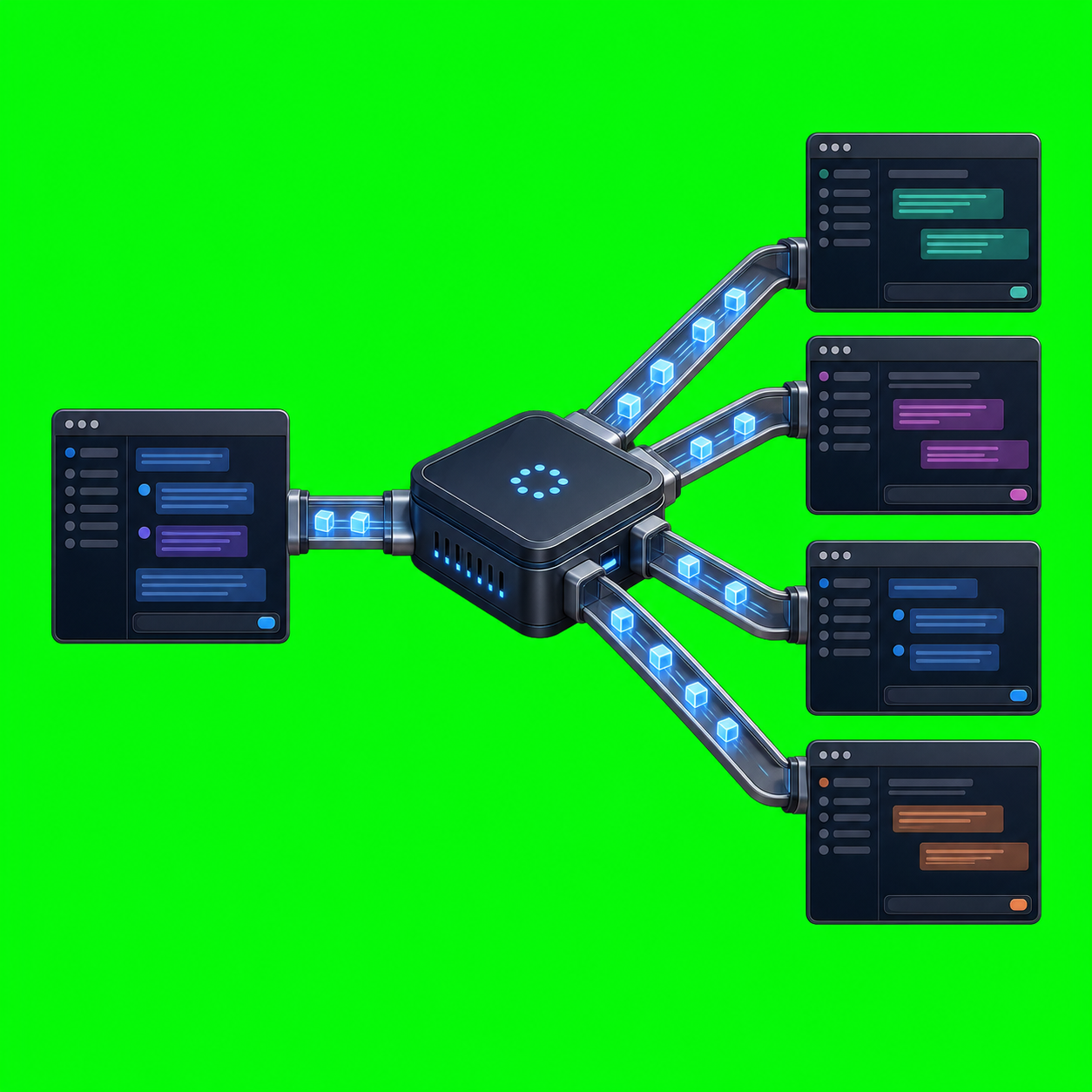
AxiOwl Provider Bridges Explained AxiOwl provider bridges are the parts of AxiOwl that make different agent chat surfaces usable through one local message contract. They do not make every provider behave the same way internally. They give AxiOwl one controlled place to translate a resolved message into the specific delivery method that a target provider […]