AxiOwl Remote Nodes Explained
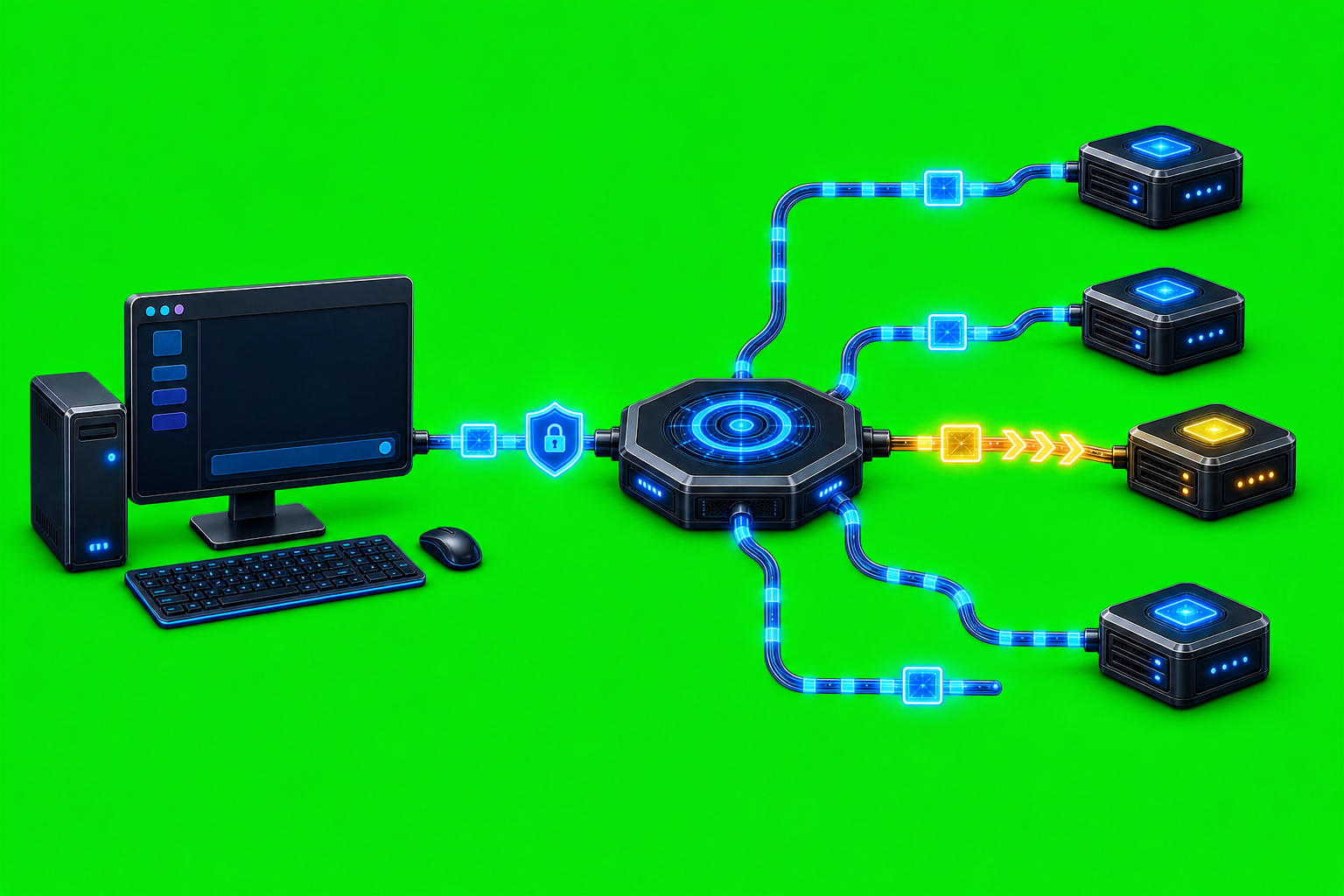
AxiOwl Remote Nodes Explained AxiOwl remote nodes are Linux machines that a local Windows AxiOwl installation can reach over SSH and use as remote Codex endpoints. They are not a generic cloud fallback layer, and they are not a second desktop UI. In the current implementation, the Windows build owns the local registry and coordinates […]
AxiOwl Message Routing Explained
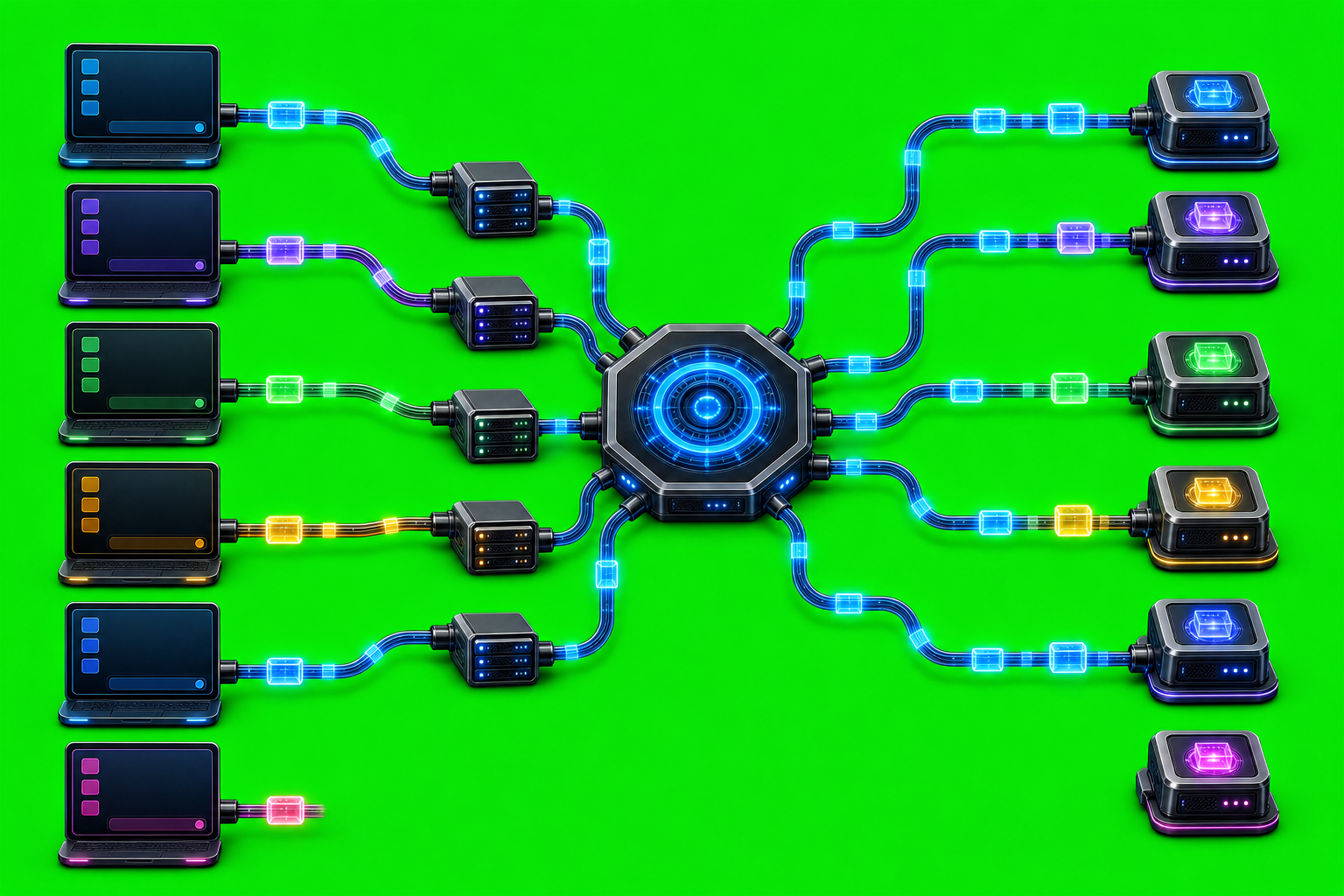
AxiOwl Message Routing Explained AxiOwl message routing is the part of AxiOwl that turns a human target name, such as a known Codex thread or VS Code chat, into a provider-specific delivery attempt. It is not just a text forwarder. The current AxiOwl C++ implementation keeps a local registry of sessions, resolves sender identity, checks […]
Using AxiOwl When One Agent Is Not Enough

Using AxiOwl When One Agent Is Not Enough One AI agent is often enough for a small question. It is not always enough for real engineering work. A coding thread may be good at editing a repository, another session may be better positioned inside an editor, another provider may have the right local context, and […]
Using AxiOwl for Cross-Node Deployment Workflows
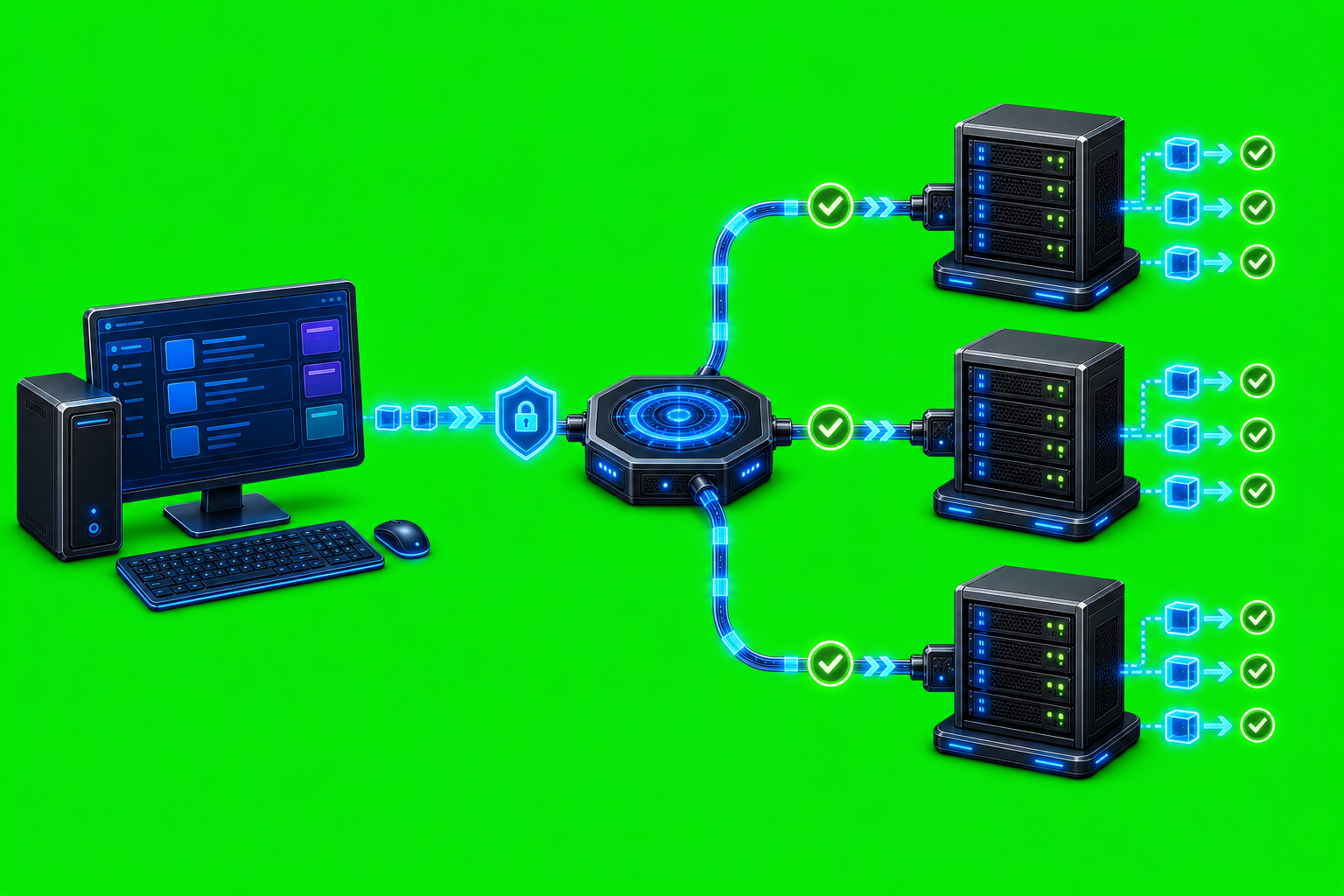
Using AxiOwl for Cross-Node Deployment Workflows Cross-node deployment work is where small mistakes become expensive. A command may start on a Windows workstation, hop over SSH to a Linux node, call a tool installed on that node, and then rely on a remote agent session to finish the job. AxiOwl is designed to make that […]
Using AxiOwl for Multi-Agent WordPress Operations
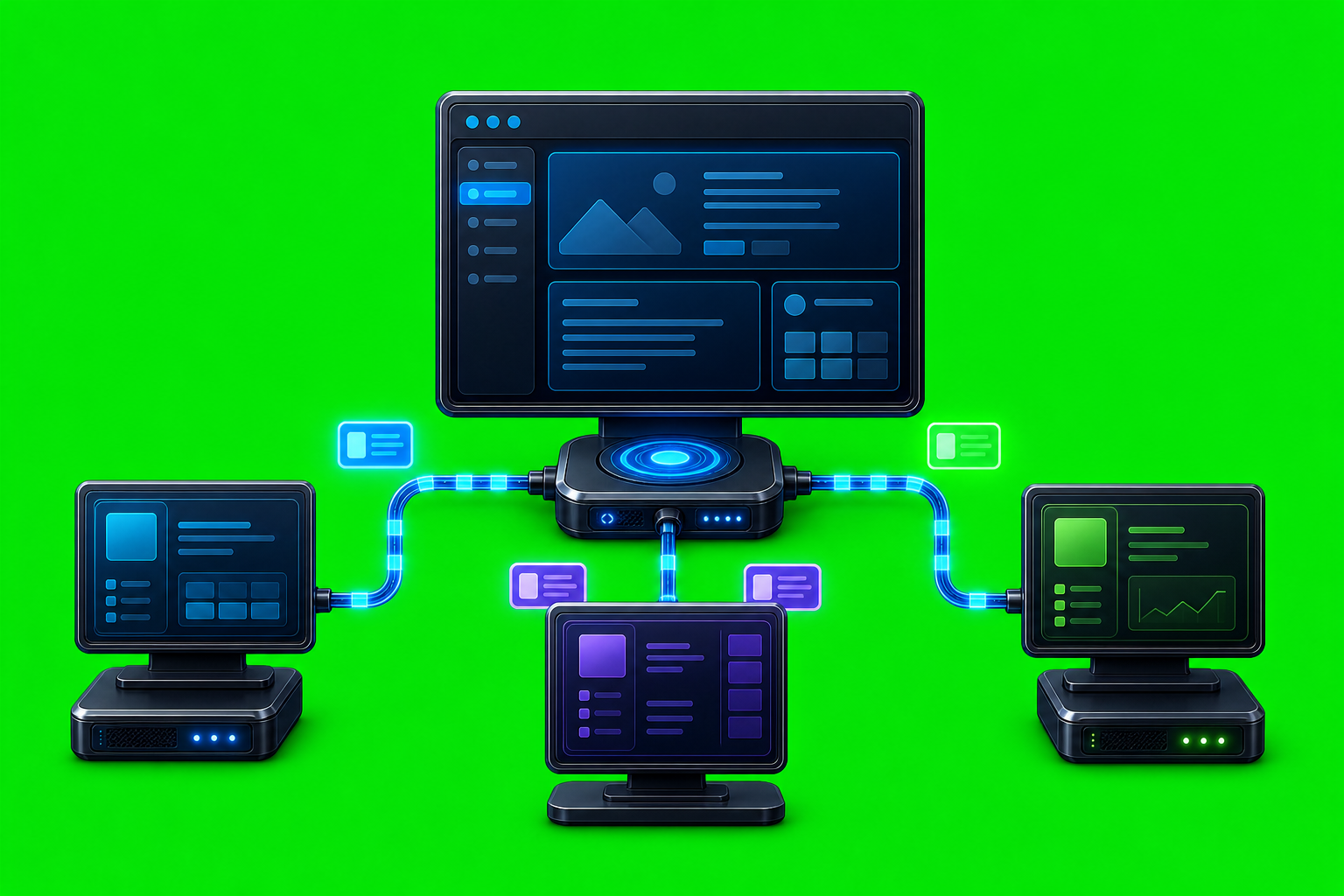
Using AxiOwl for Multi-Agent WordPress Operations WordPress operations often involve more than one kind of work at the same time. One agent may inspect a plugin build, another may check content or routing, another may review deployment notes, and another may verify behavior in a browser. The hard part is not just giving agents tasks. […]
Using AxiOwl to Delegate Repetitive Engineering Tasks
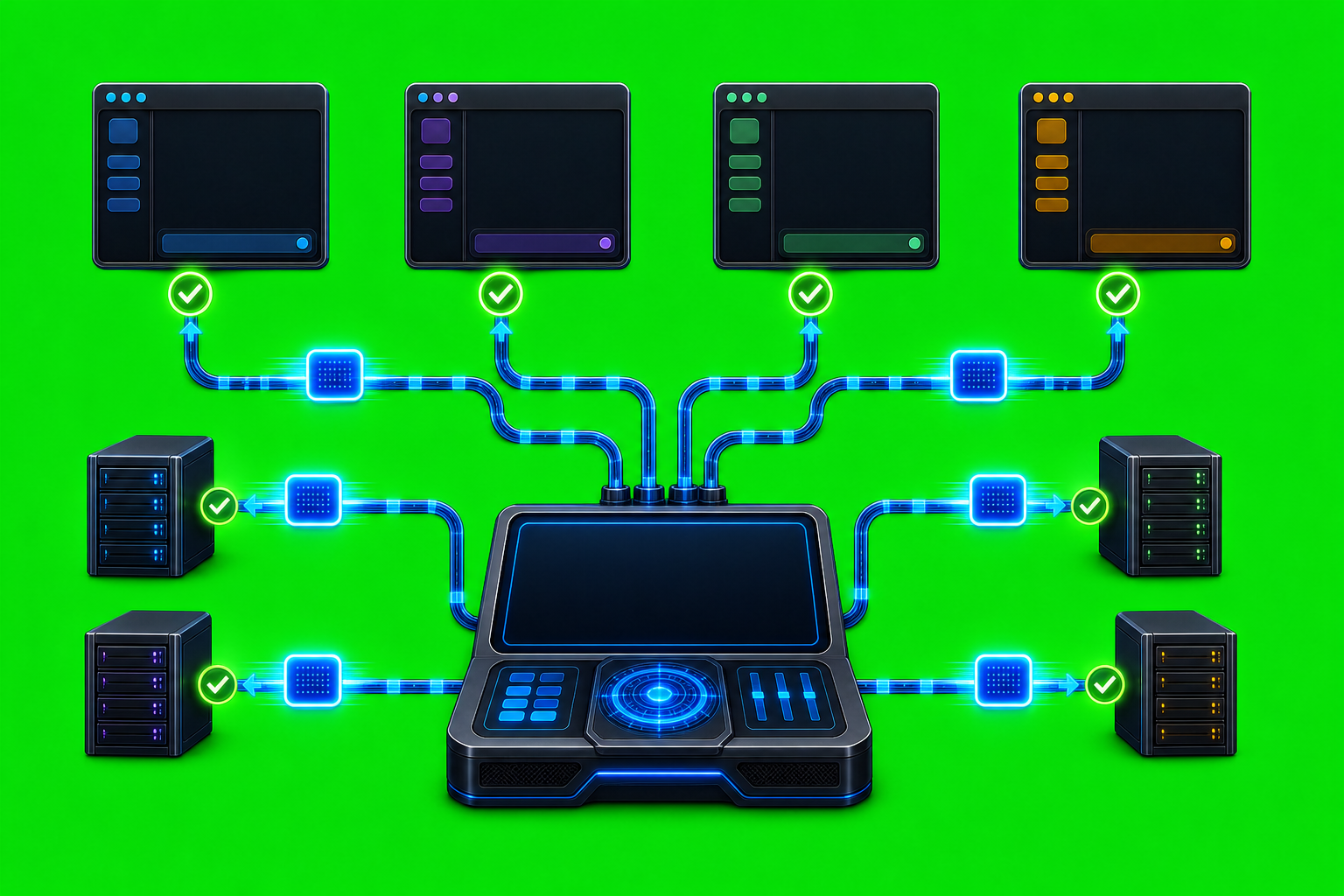
Using AxiOwl to Delegate Repetitive Engineering Tasks Repetitive engineering work is rarely difficult because each individual step is complex. It is difficult because the same careful instructions have to be carried from one context to another: ask one assistant to inspect a code path, ask another to run a focused check, ask a third to […]
Using AxiOwl to Keep Codex, Cursor, and Claude Working Together

Using AxiOwl to Keep Codex, Cursor, and Claude Working Together Modern AI coding work rarely lives in one chat. A developer may have Codex handling a repository task, Cursor open in an editor agent window, and Claude Code useful for a separate command-line investigation. The hard part is not asking each assistant a question. The […]
Using AxiOwl to Coordinate a Small AI Development Team
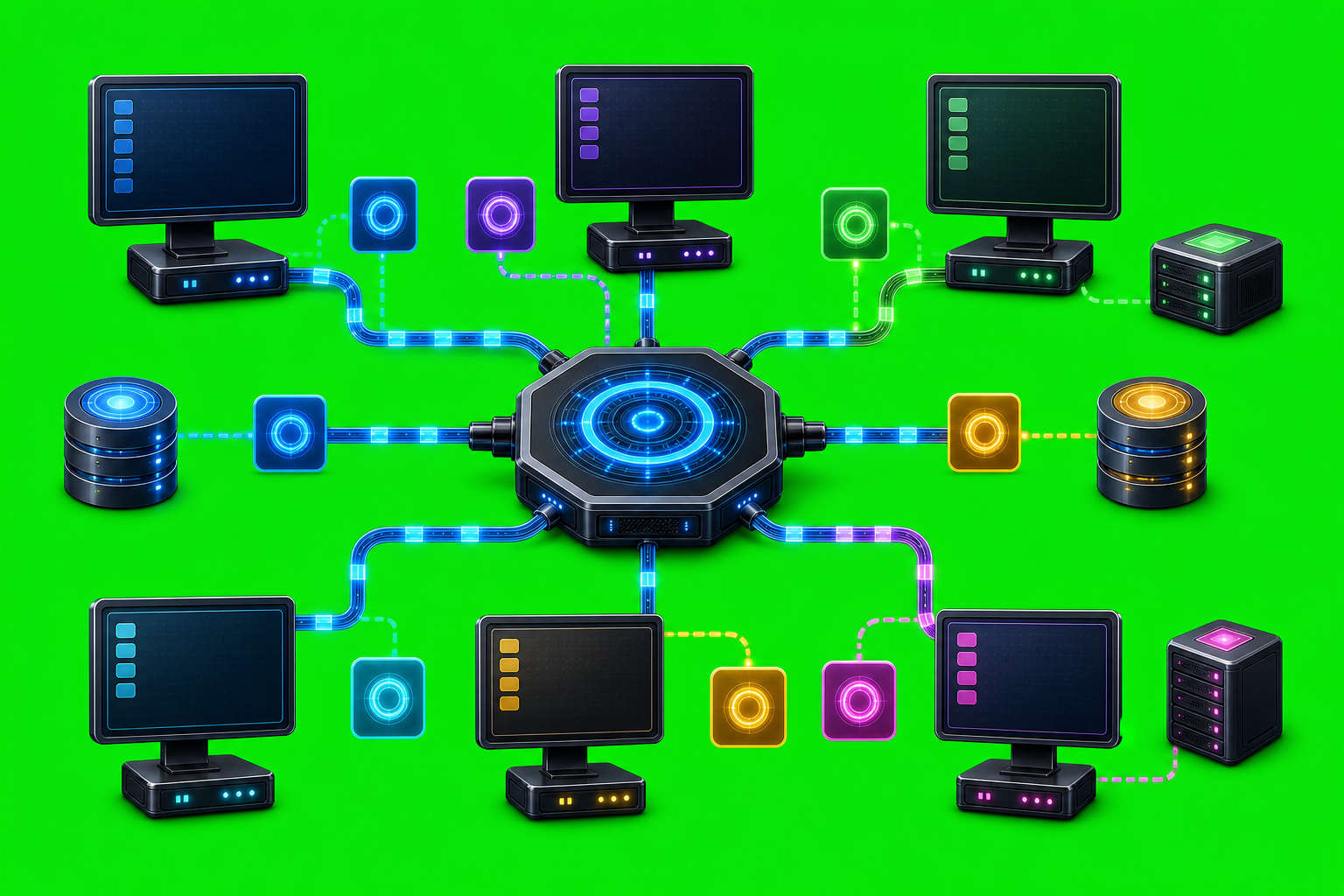
Using AxiOwl to Coordinate a Small AI Development Team Small AI development teams do not always look like one person chatting with one model. A real workflow may involve a Codex thread handling code changes, a VS Code or Copilot-backed chat checking editor behavior, an Antigravity session working through a desktop surface, and another provider […]
Using AxiOwl to Manage a Remote Server

Using AxiOwl to Manage a Remote Server Remote server work is usually split between two worlds: the local machine where the operator is thinking and the Linux host where the work needs to happen. AxiOwl's current remote-server path is built around making that boundary explicit. The local AxiOwl runtime keeps node records, verifies SSH reachability, […]
How to Use AxiOwl for Long-Running Work

How to Use AxiOwl for Long-Running Work Long-running agent work is different from a quick prompt. A short request can live in one chat window. A longer job often needs a named worker, a clear handoff, a way to send follow-up instructions, and a record of what happened after the first message left your hands. […]