AxiOwl Delivery Receipts Explained
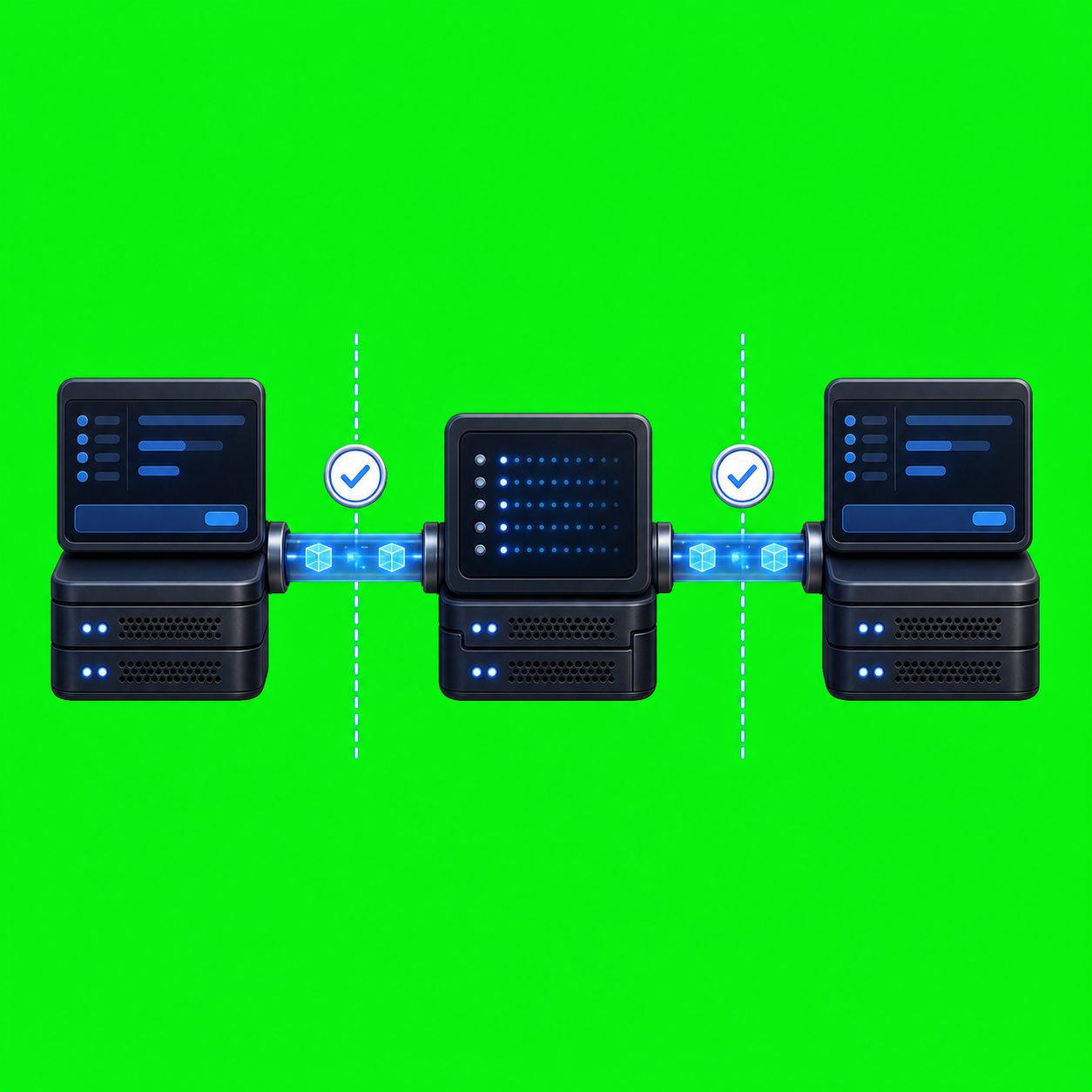
AxiOwl Delivery Receipts Explained A delivery receipt in AxiOwl is not a vague success message. It is a boundary marker. It tells the operator which part of the AxiOwl send pipeline has accepted the work, which provider route was selected, and where to look for evidence. Just as importantly, it avoids promising facts that AxiOwl […]
AxiOwl Session Discovery Explained
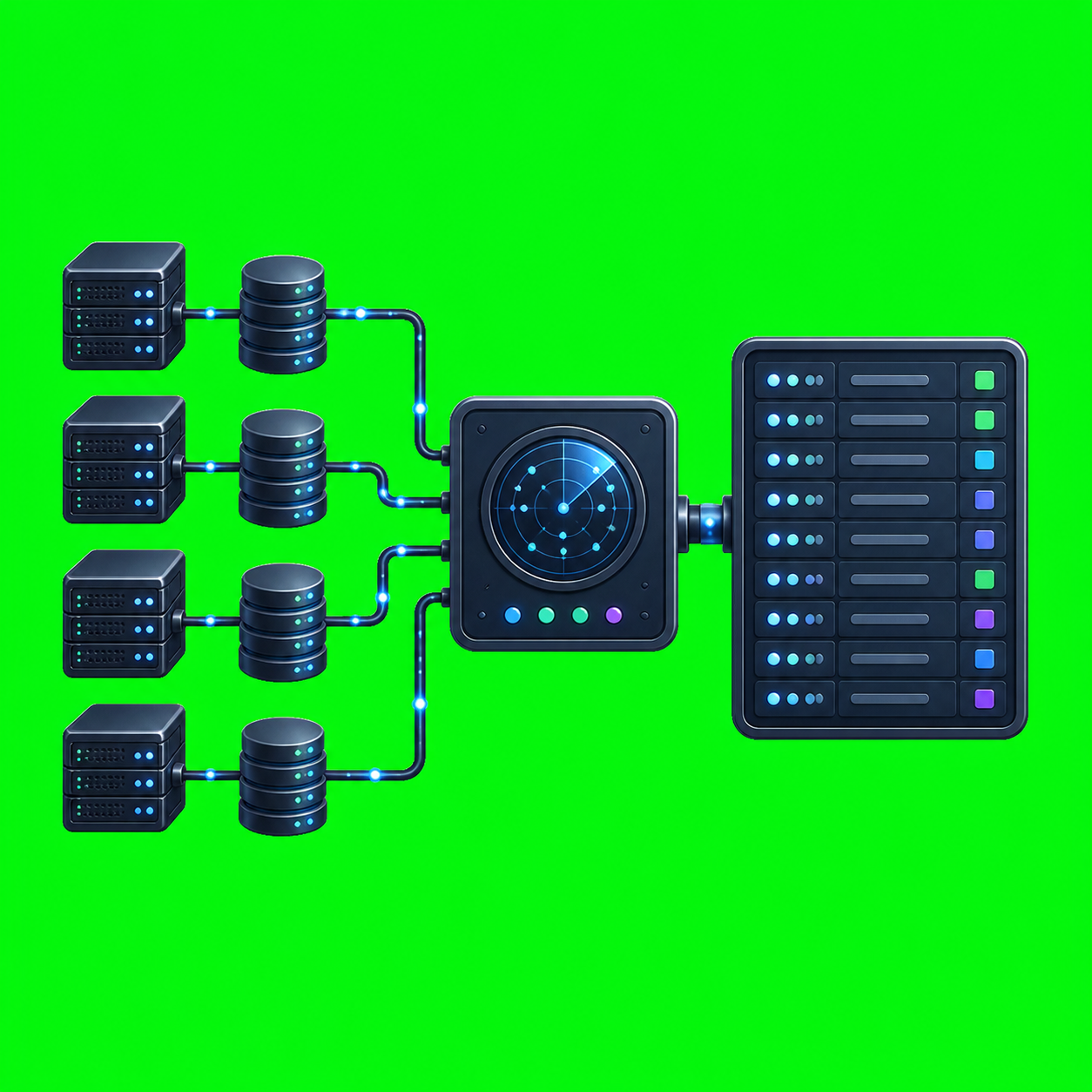
AxiOwl Session Discovery Explained AxiOwl session discovery is the step that turns provider-owned chat state into routing facts AxiOwl can use. It answers a practical question: which real agent sessions exist, what provider owns them, what stable session id identifies them, and whether AxiOwl has enough proof to send to them? That sounds simple, but […]
AxiOwl Provider Bridges Explained
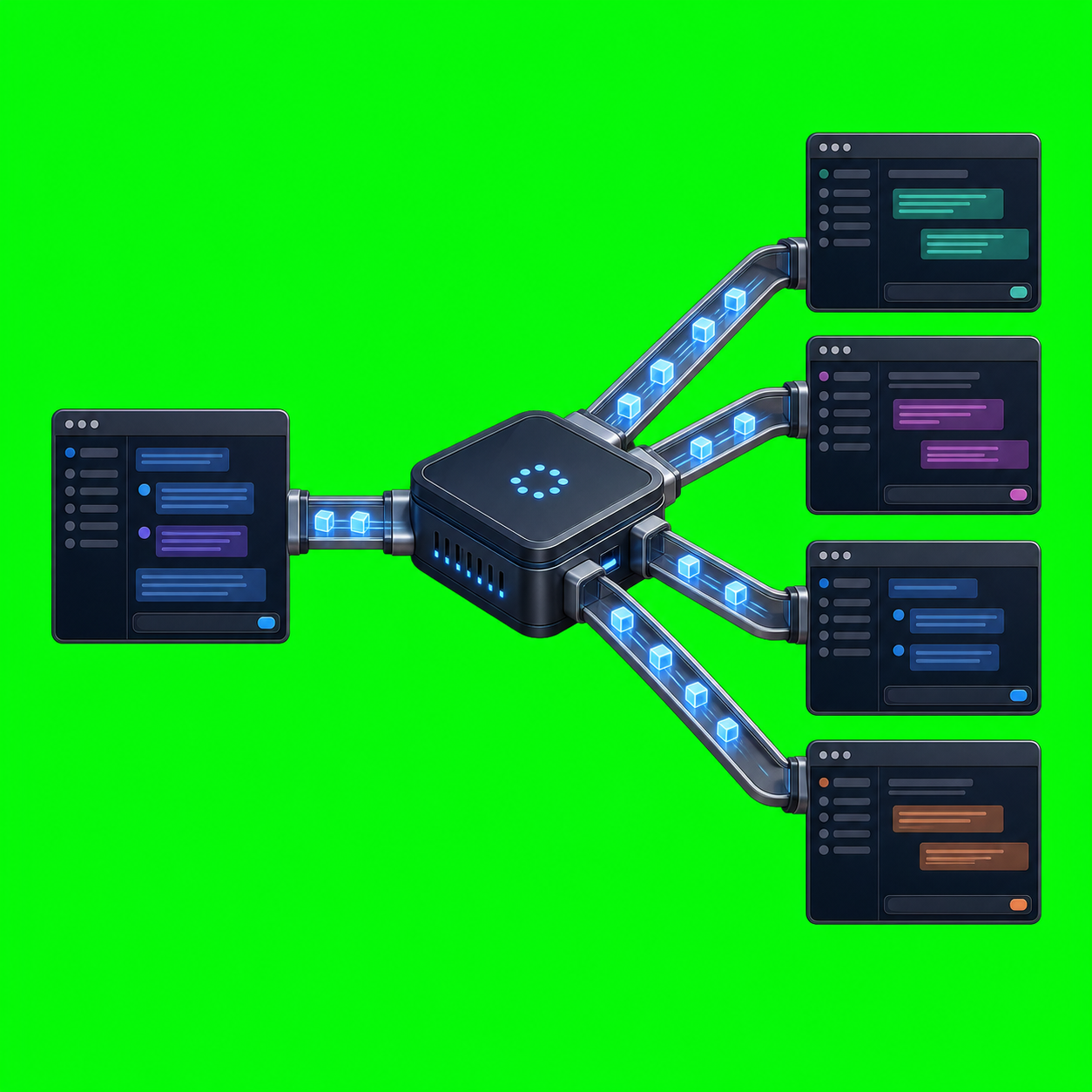
AxiOwl Provider Bridges Explained AxiOwl provider bridges are the parts of AxiOwl that make different agent chat surfaces usable through one local message contract. They do not make every provider behave the same way internally. They give AxiOwl one controlled place to translate a resolved message into the specific delivery method that a target provider […]
AxiOwl Remote Nodes Explained
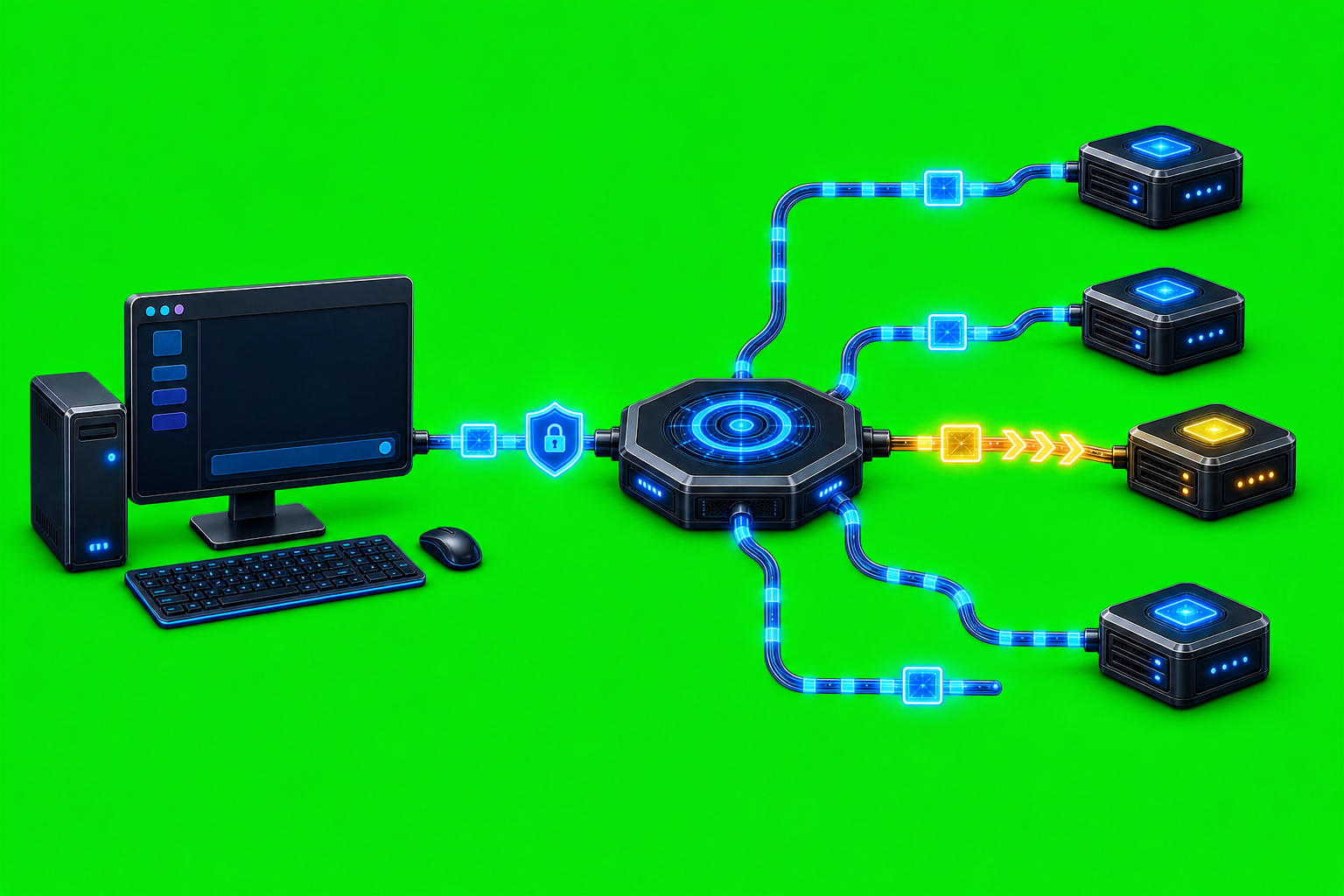
AxiOwl Remote Nodes Explained AxiOwl remote nodes are Linux machines that a local Windows AxiOwl installation can reach over SSH and use as remote Codex endpoints. They are not a generic cloud fallback layer, and they are not a second desktop UI. In the current implementation, the Windows build owns the local registry and coordinates […]
AxiOwl Agent Registry Explained
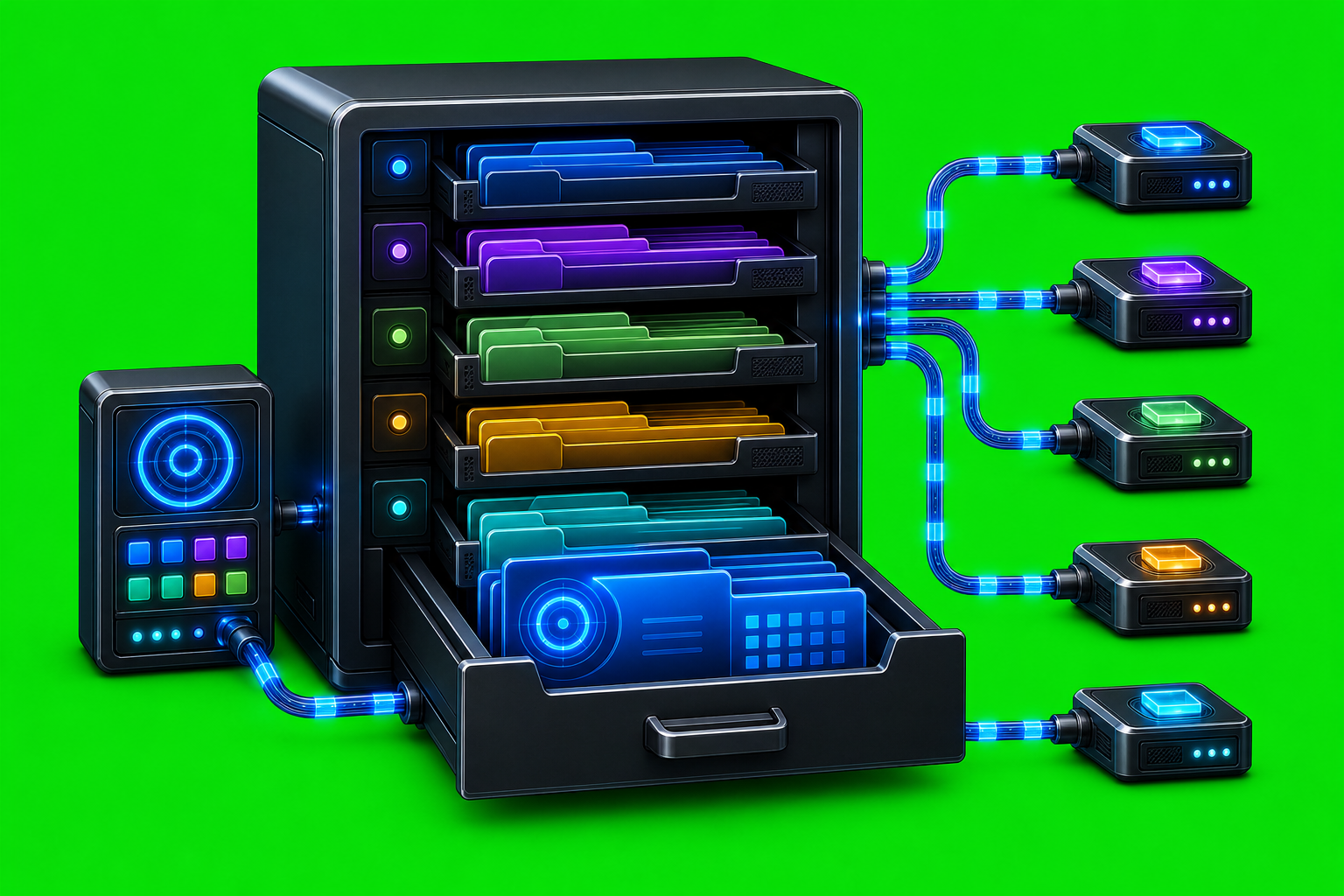
AxiOwl Agent Registry Explained The AxiOwl agent registry is the local source of truth that tells AxiOwl which AI sessions exist, what they are called, which provider owns them, and whether AxiOwl has enough proof to send to them. It is not just a display list. In the current C++ implementation, the registry is durable […]
Using AxiOwl When One Agent Is Not Enough

Using AxiOwl When One Agent Is Not Enough One AI agent is often enough for a small question. It is not always enough for real engineering work. A coding thread may be good at editing a repository, another session may be better positioned inside an editor, another provider may have the right local context, and […]
Using AxiOwl for Cross-Node Deployment Workflows
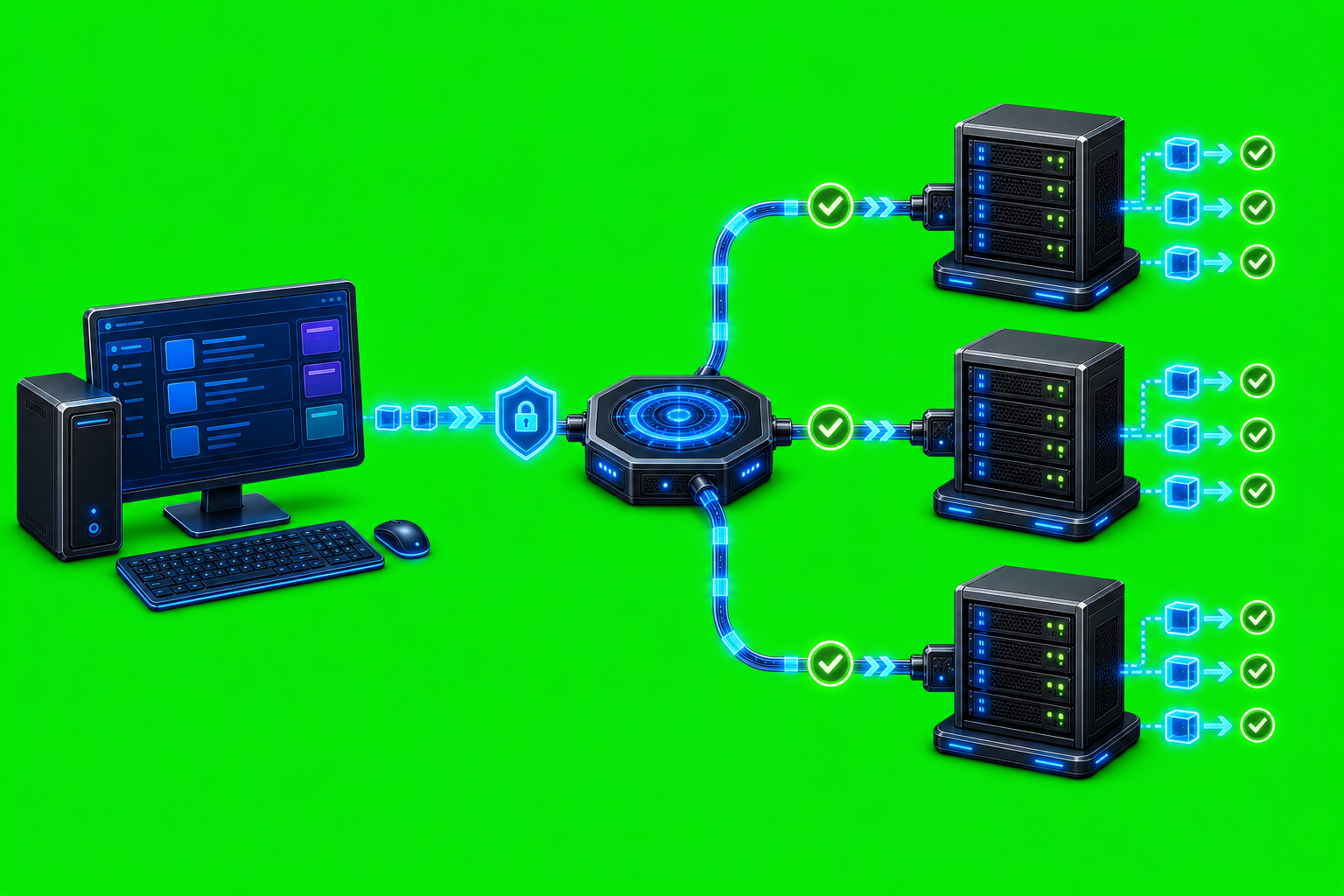
Using AxiOwl for Cross-Node Deployment Workflows Cross-node deployment work is where small mistakes become expensive. A command may start on a Windows workstation, hop over SSH to a Linux node, call a tool installed on that node, and then rely on a remote agent session to finish the job. AxiOwl is designed to make that […]
Using AxiOwl for Infrastructure Maintenance
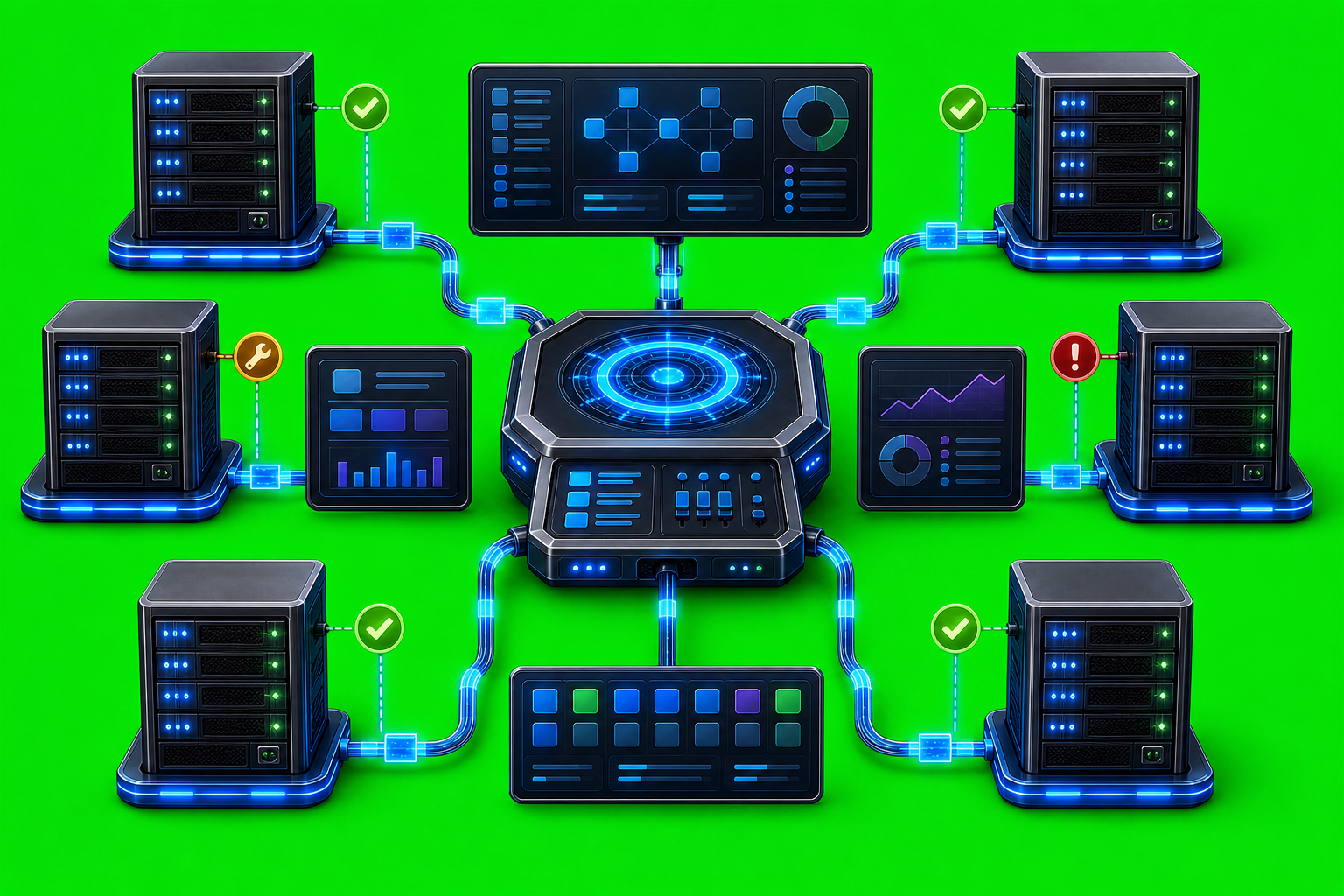
Using AxiOwl for Infrastructure Maintenance Infrastructure maintenance is mostly coordination: check the current state, assign the right operator or agent, send the exact instruction, keep a receipt, and preserve enough evidence to debug what happened later. AxiOwl is useful in that work because it treats AI provider sessions as named operational endpoints instead of anonymous […]
Using AxiOwl for Multi-Agent WordPress Operations
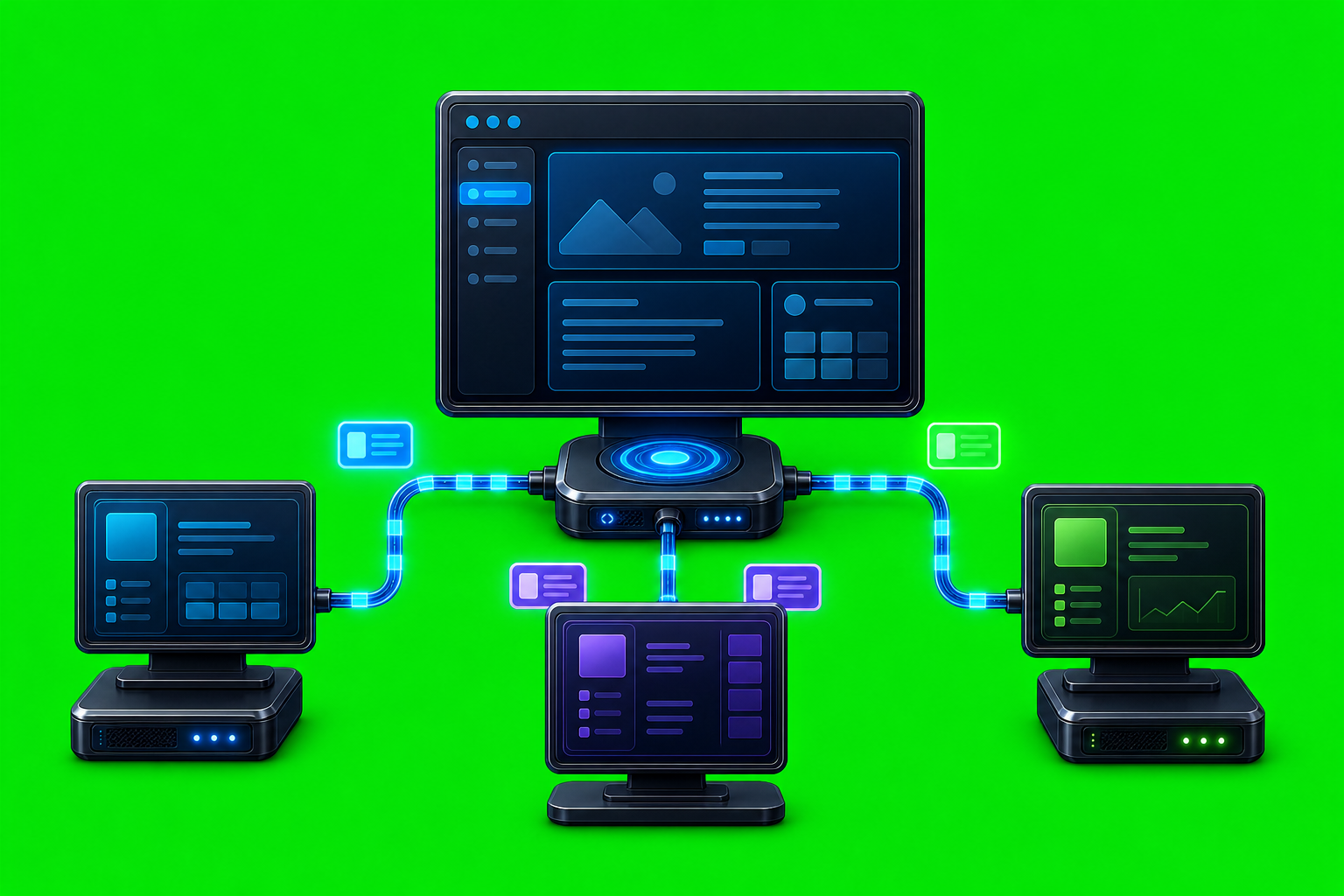
Using AxiOwl for Multi-Agent WordPress Operations WordPress operations often involve more than one kind of work at the same time. One agent may inspect a plugin build, another may check content or routing, another may review deployment notes, and another may verify behavior in a browser. The hard part is not just giving agents tasks. […]
Using AxiOwl to Delegate Repetitive Engineering Tasks
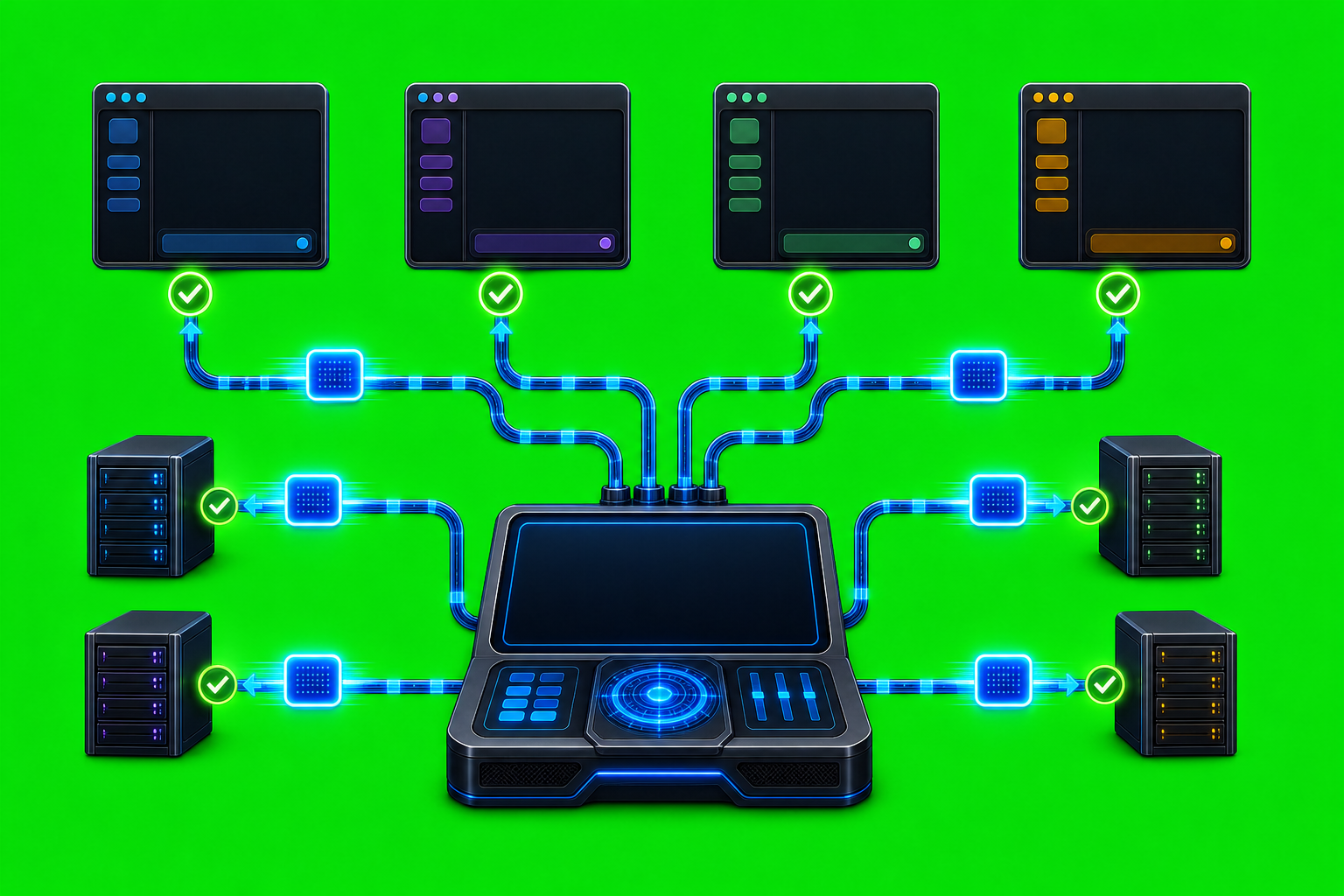
Using AxiOwl to Delegate Repetitive Engineering Tasks Repetitive engineering work is rarely difficult because each individual step is complex. It is difficult because the same careful instructions have to be carried from one context to another: ask one assistant to inspect a code path, ask another to run a focused check, ask a third to […]