AxiOwl vs API-Only Agent Orchestration
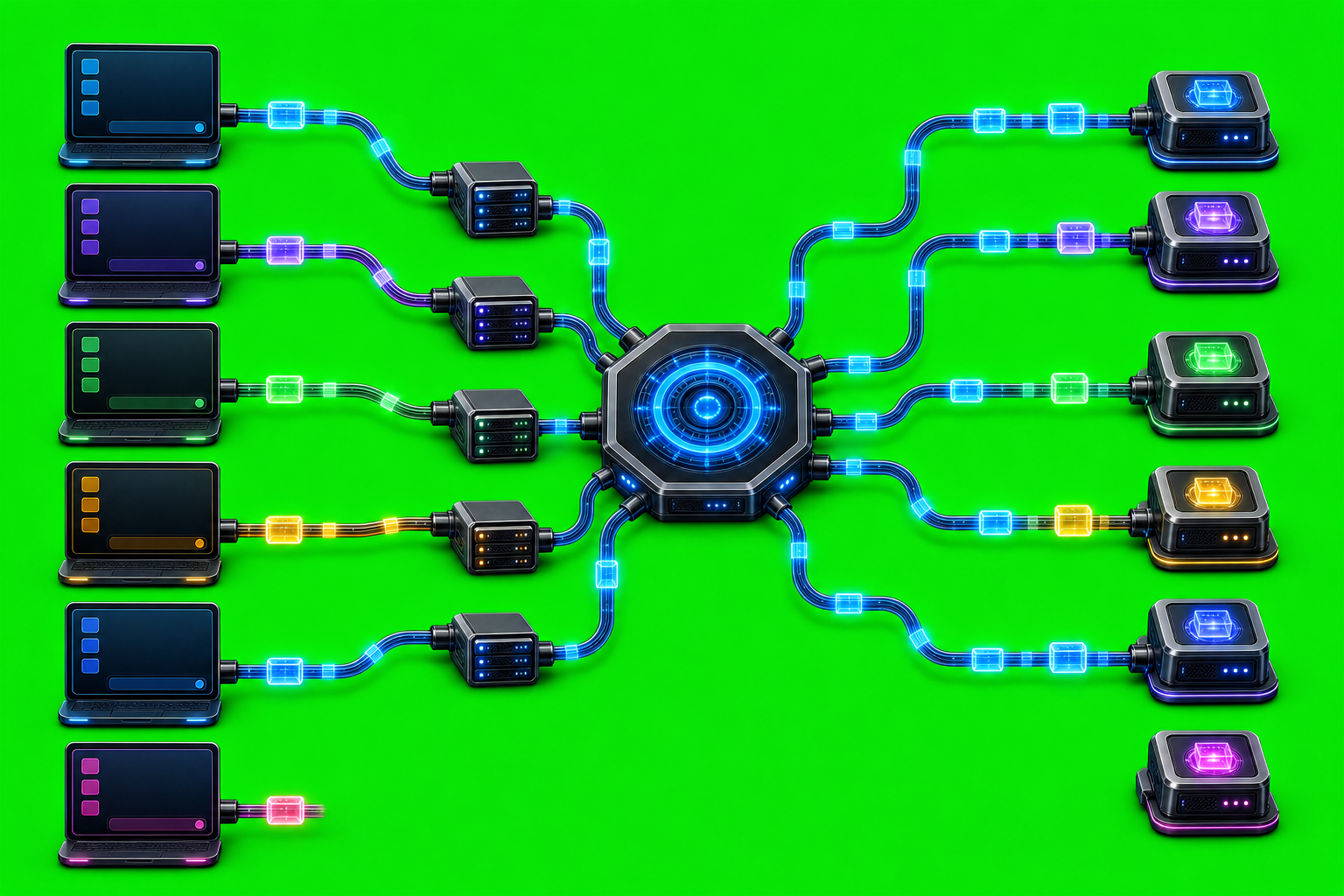
AxiOwl vs API-Only Agent Orchestration API-only agent orchestration is a good fit when every participant is a programmable service with a stable endpoint, token, request format, response format, and lifecycle controlled by your application. That is not the world AxiOwl is built for. AxiOwl is designed for the messier operating reality where useful AI work […]
AxiOwl vs Chat-Only AI Workflows
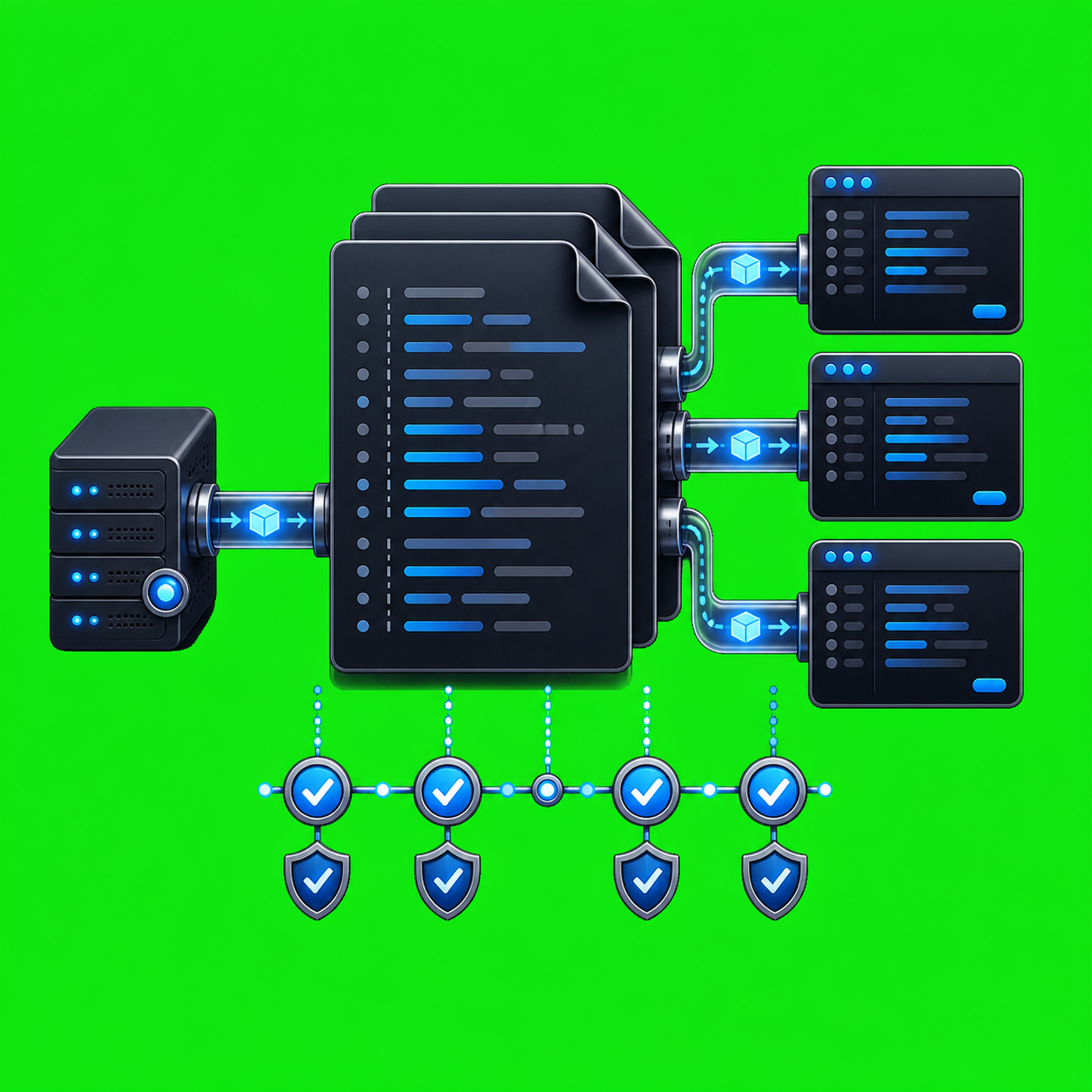
AxiOwl vs Chat-Only AI Workflows Most AI work still happens one chat at a time. A user opens Codex, Cursor, VS Code, Antigravity, Copilot, or another provider surface, asks a question, copies the useful result, and pastes it somewhere else. That pattern is simple, but it leaves every chat as its own island. The user […]
AxiOwl vs Single-Provider AI Tools
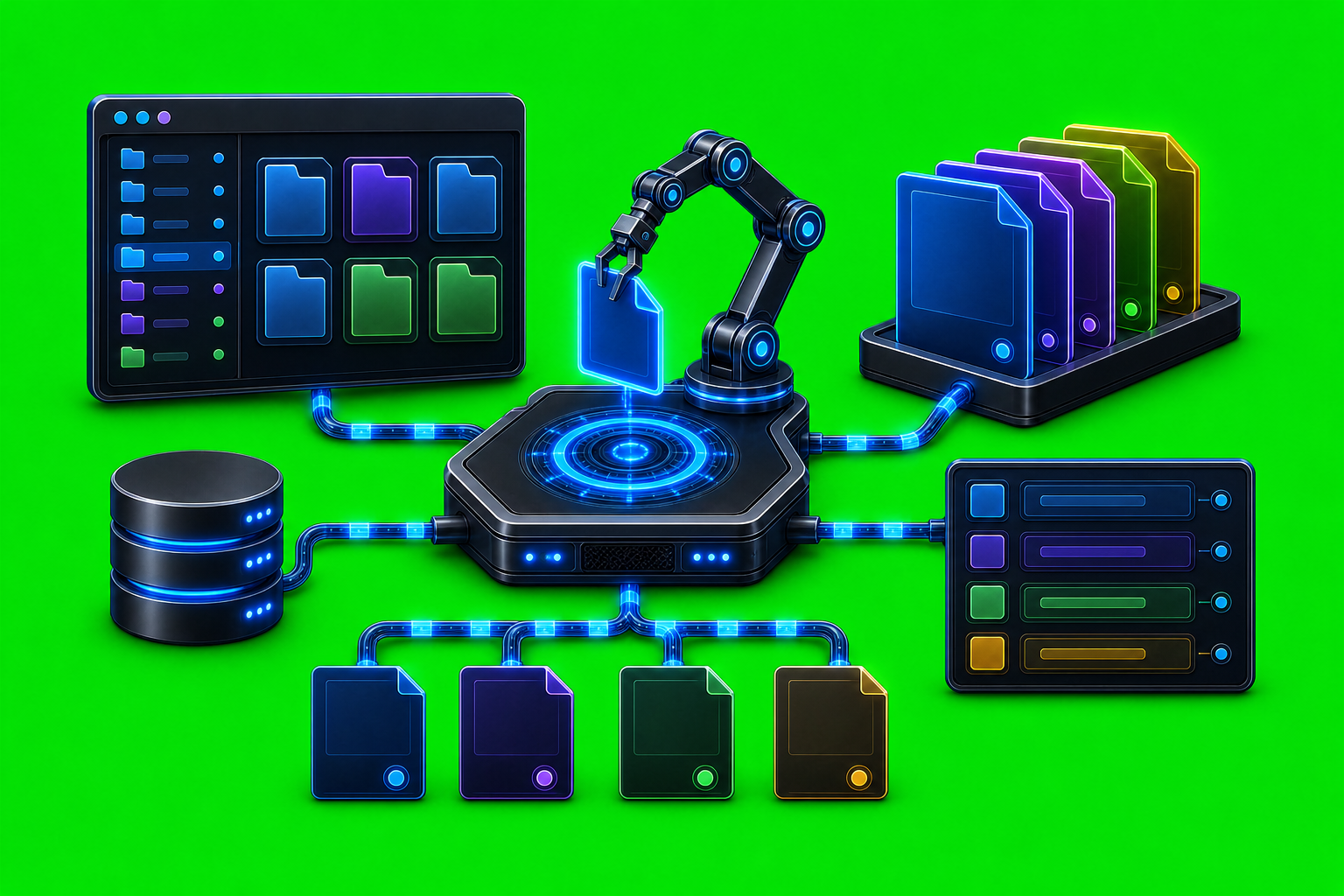
AxiOwl vs Single-Provider AI Tools Single-provider AI tools are usually designed around one host, one session model, and one set of assumptions. That can be clean when all of the work stays inside that provider. It becomes limiting when a real operator has useful AI sessions open in several places: Codex, Cursor, VS Code, Copilot-backed […]
AxiOwl vs DIY Agent Scripts
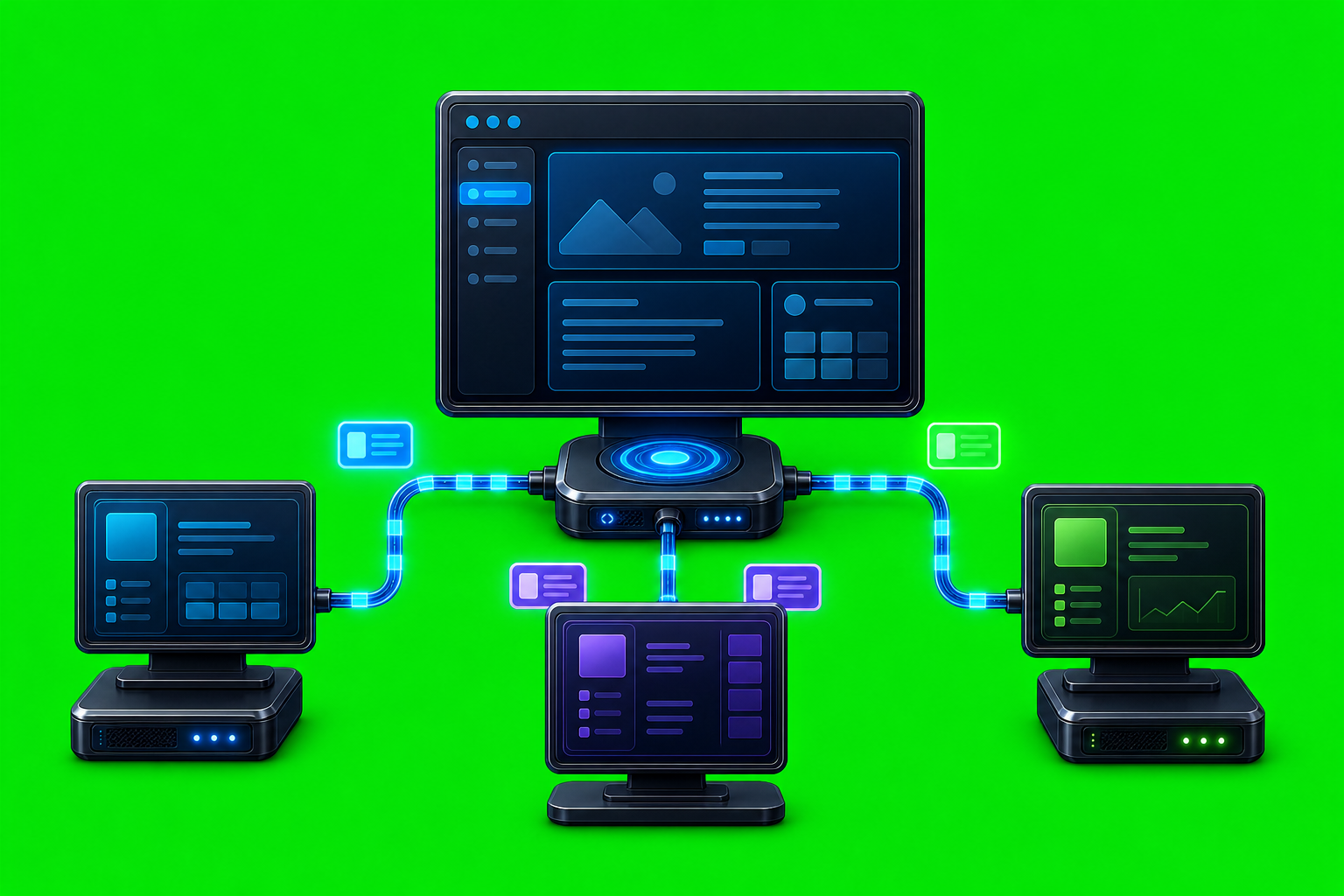
AxiOwl vs DIY Agent Scripts DIY agent scripts are tempting because the first version is usually small. A shell command can call one provider. A PowerShell helper can paste a message into one tool. A few JSON files can remember a target name. For a single local experiment, that may be enough. AxiOwl is built […]
AxiOwl vs Manual SSH Workflows
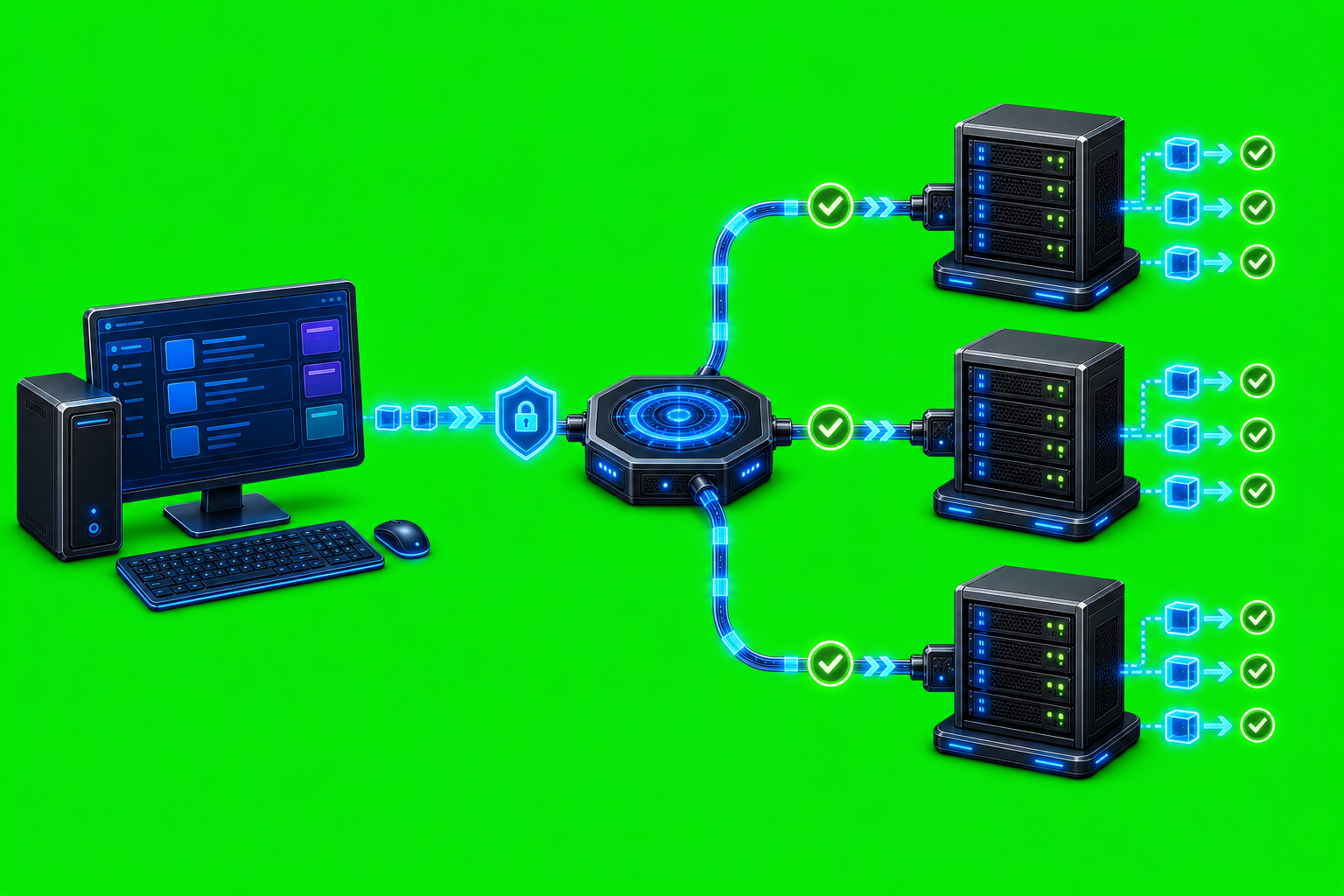
AxiOwl vs Manual SSH Workflows Manual SSH is still one of the most useful tools an operator has. It is direct, inspectable, and universal enough to reach almost any Linux node that has a shell and a key. But manual SSH is also easy to turn into an untracked workflow: a remembered host, a copied […]
How AxiOwl Sends Messages Without Depending on Window Titles
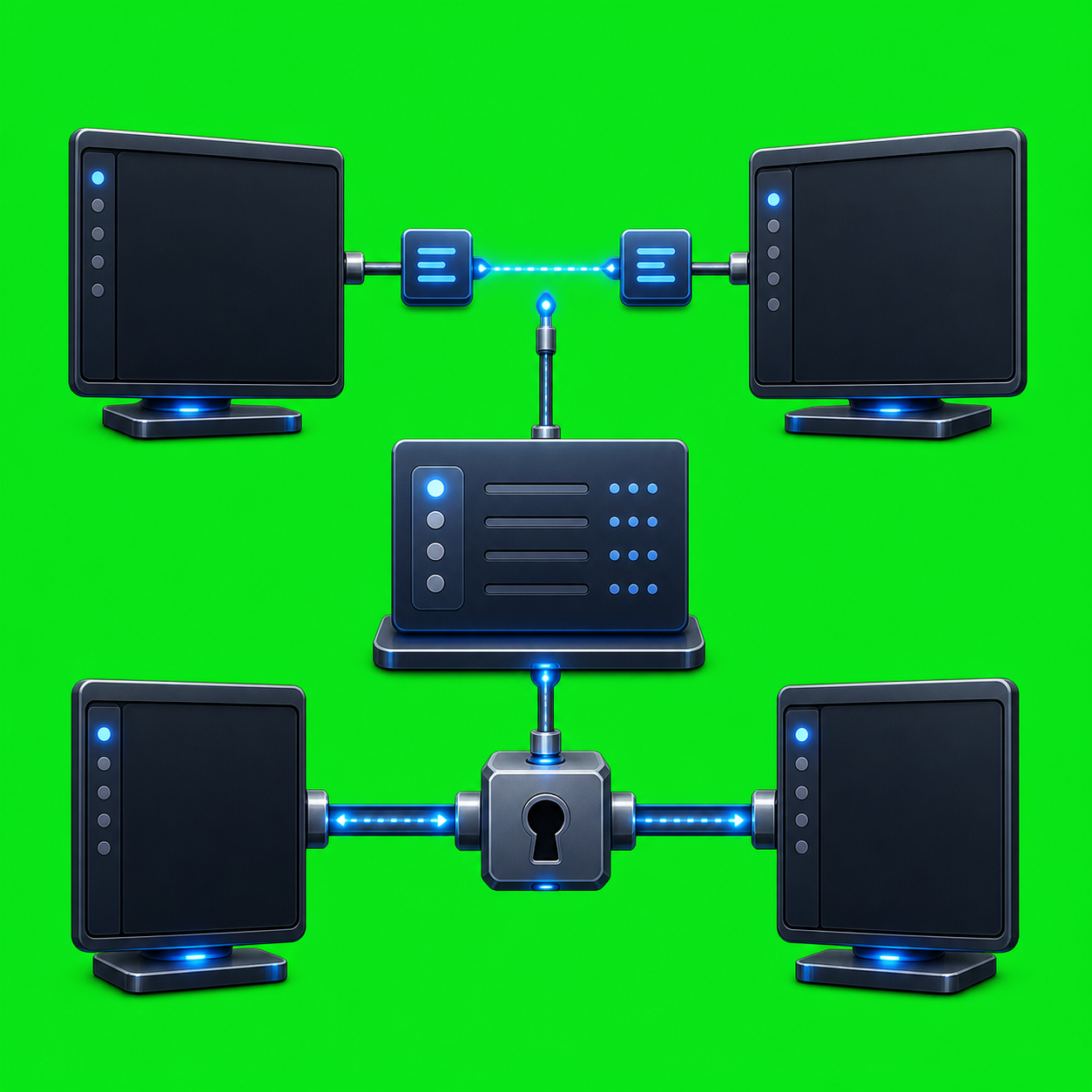
How AxiOwl Sends Messages Without Depending on Window Titles Window titles are a tempting shortcut for desktop automation. They are visible, easy to search for, and usually close to the thing a human sees. They are also fragile. A provider can rename a chat, an editor can reuse a window, an empty window can have […]
How AxiOwl Finds Existing Provider Chats
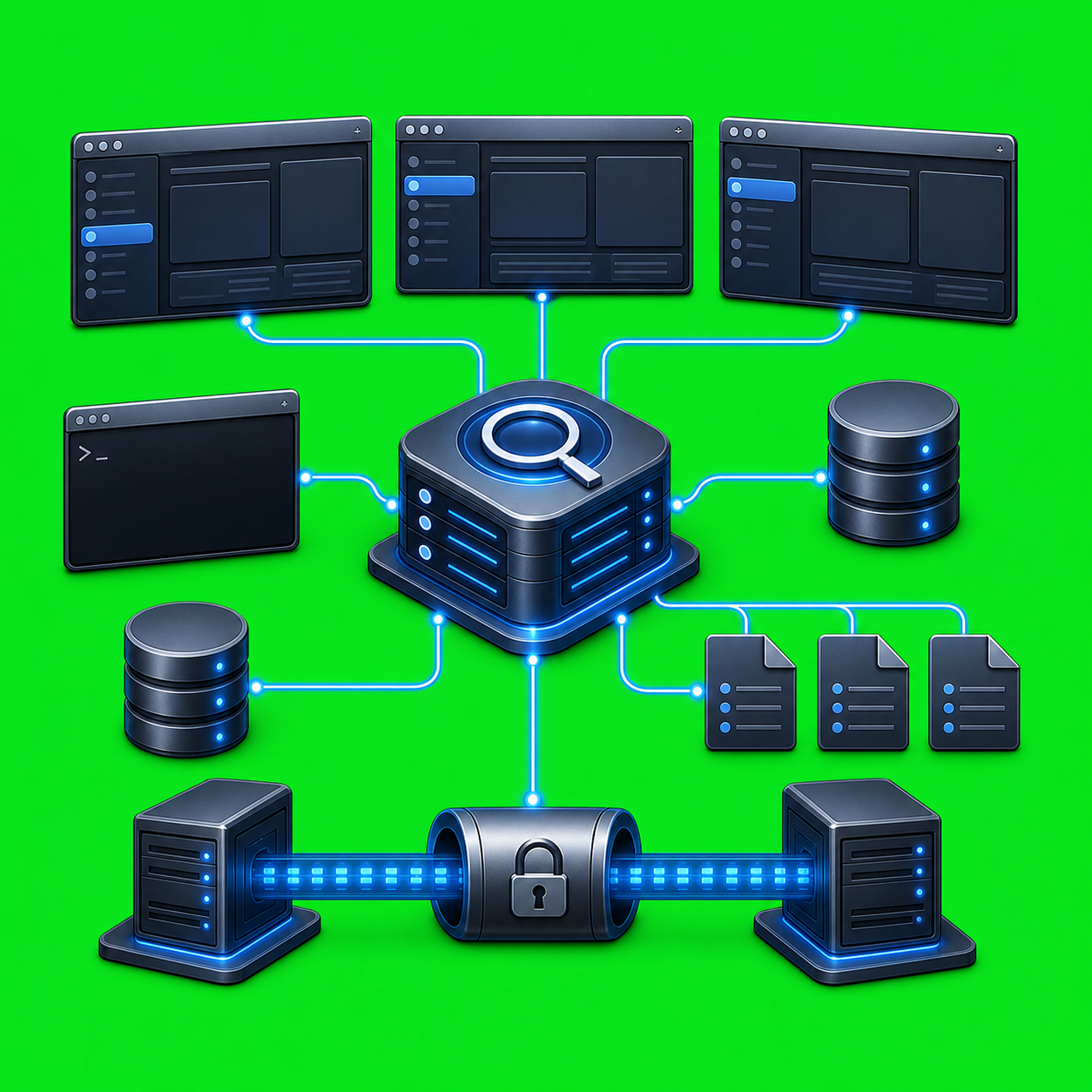
How AxiOwl Finds Existing Provider Chats AxiOwl does not treat every chat tool as a blank slate. A major part of the Windows desktop implementation is discovery: finding provider chats that already exist, proving whether they are useful delivery targets, and saving them into AxiOwl's local agent registry so operators can address them by name. […]
Why AxiOwl Treats Each Provider Differently
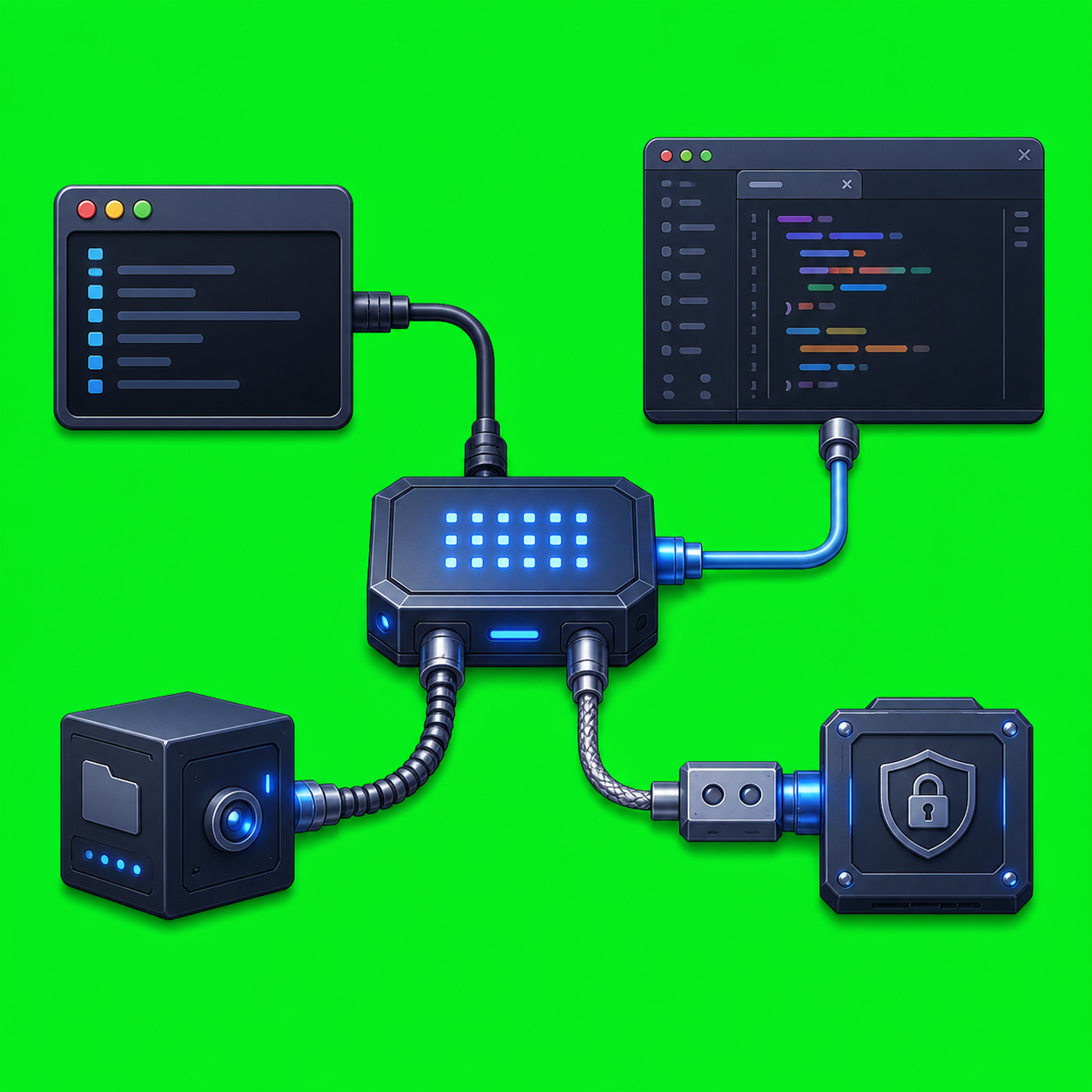
Why AxiOwl Treats Each Provider Differently AxiOwl does not treat every AI provider as the same kind of endpoint because the providers are not the same kind of endpoint. A Codex CLI thread, a Cursor Agent Window, a VS Code Copilot chat, an Antigravity agent session, and a future CLI target all expose different session […]
Using AxiOwl With Antigravity
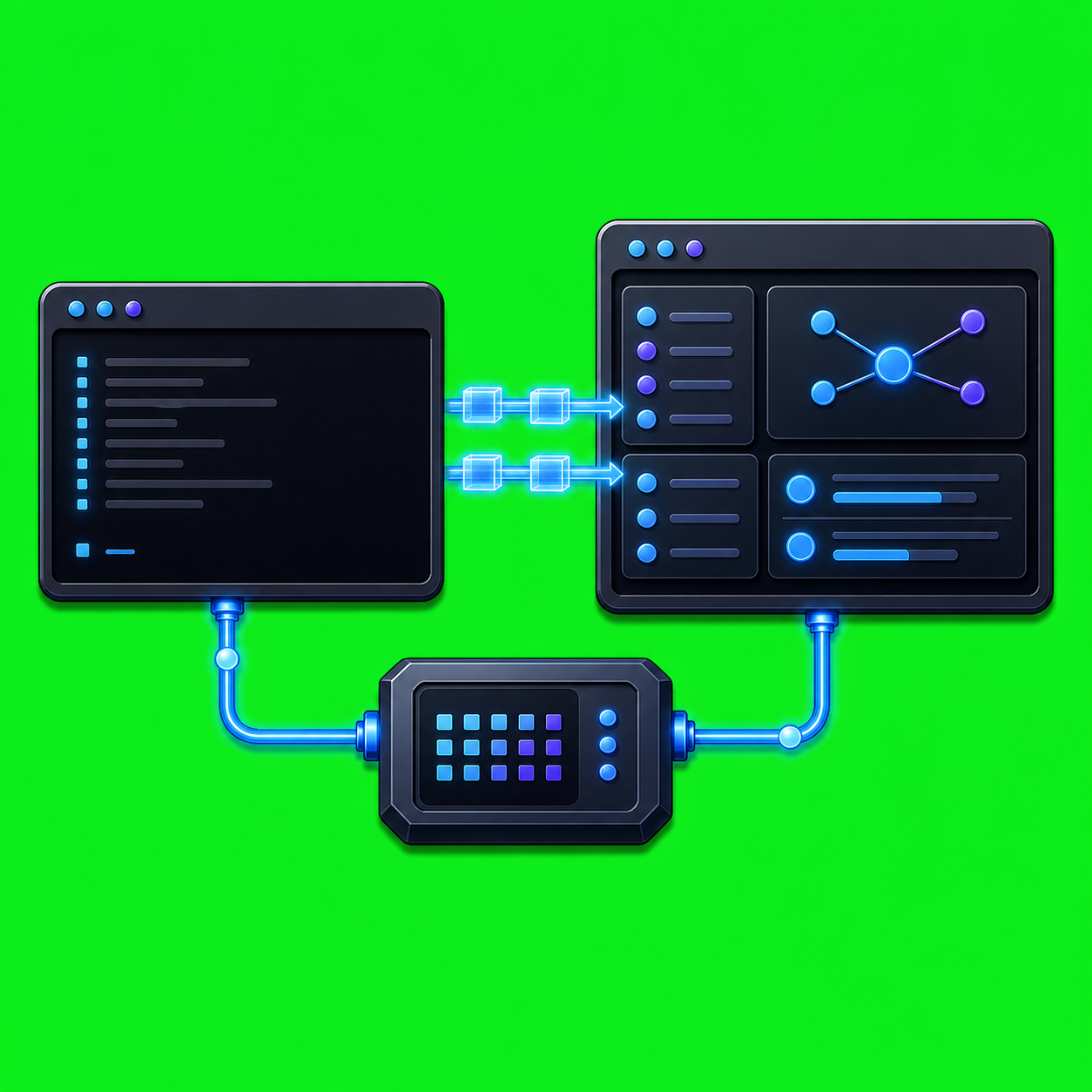
Using AxiOwl With Antigravity AxiOwl can work with Antigravity agent sessions as one of its supported local provider surfaces. In normal use, that means an operator or another agent can address a discovered Antigravity chat by name, send it a message through AxiOwl, and let Antigravity reply back through the AxiOwl MCP path with the […]
Using AxiOwl With OpenCode
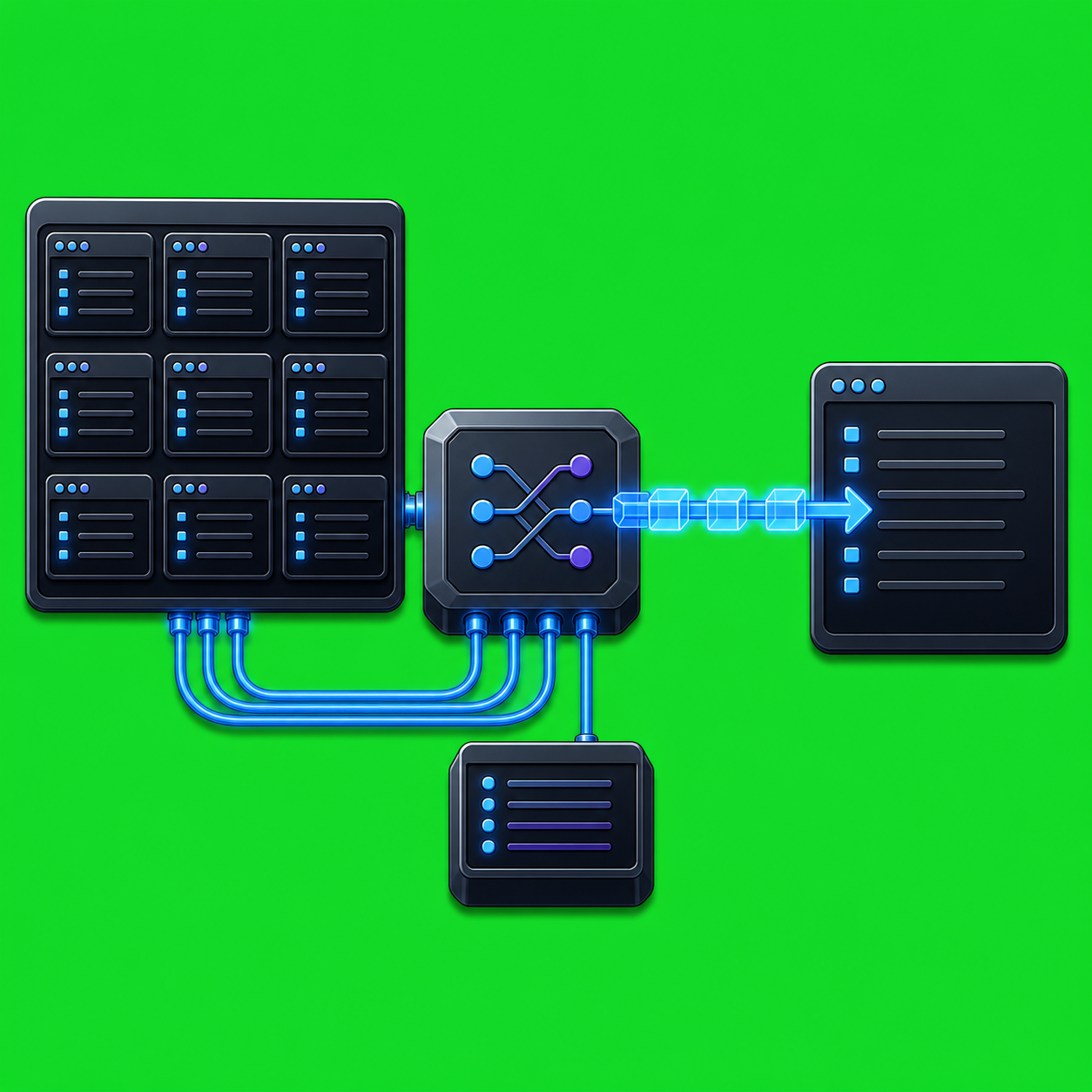
Using AxiOwl With OpenCode AxiOwl's OpenCode work is about making OpenCode CLI sessions addressable from the same local routing layer used for other AI-provider sessions. Instead of treating OpenCode as a separate manual terminal workflow, AxiOwl can discover OpenCode sessions, add them to its local registry, and route messages to a selected session through the […]