Why AxiOwl Uses Named Agents
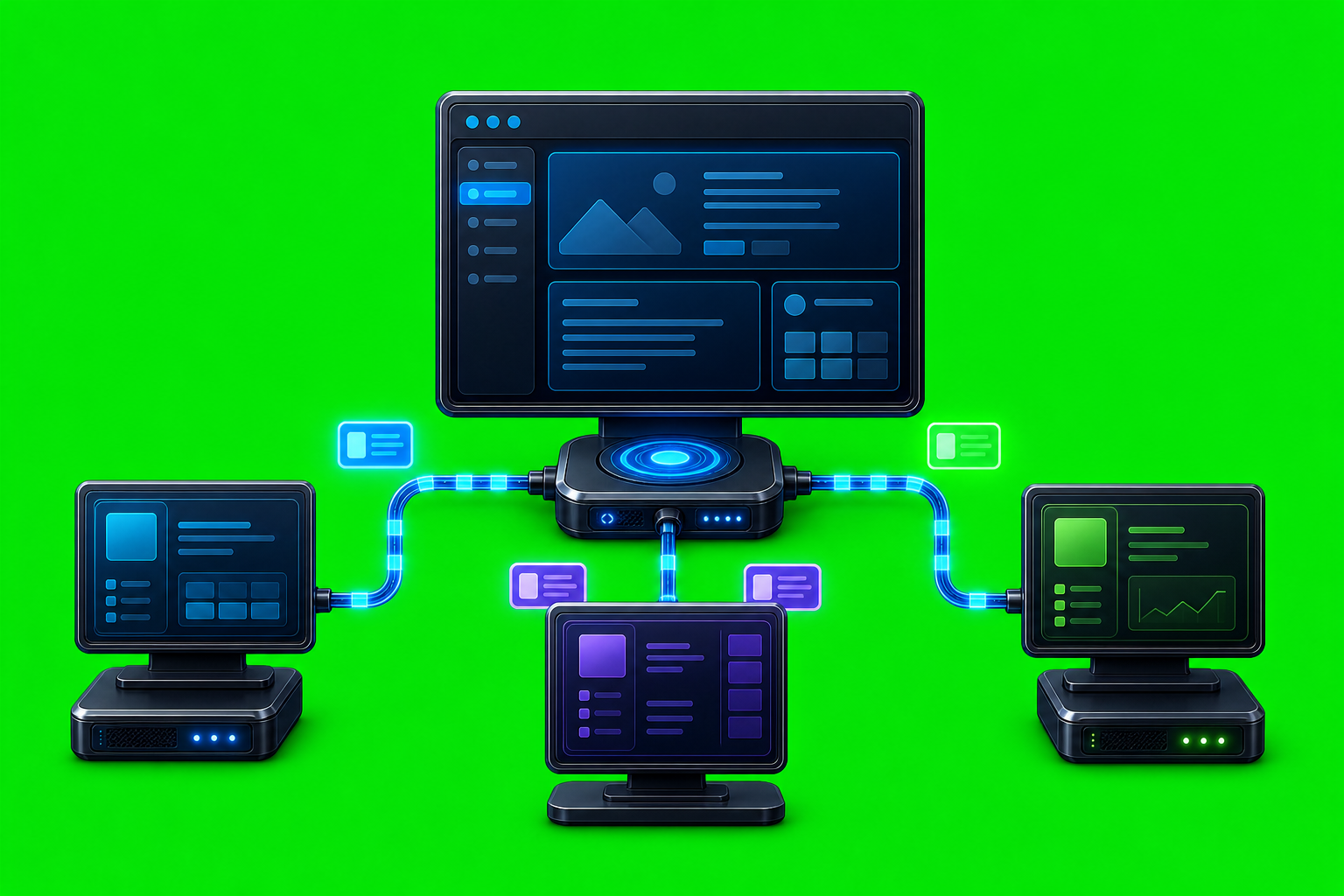
Why AxiOwl Uses Named Agents AxiOwl uses named agents because agent-to-agent messaging needs a human handle that can be resolved to a real provider session. A raw provider session ID may be useful to an adapter, but it is the wrong interface for an operator trying to send a message, read a receipt, or understand […]
How AxiOwl Thinks About Agents, Nodes, and Providers
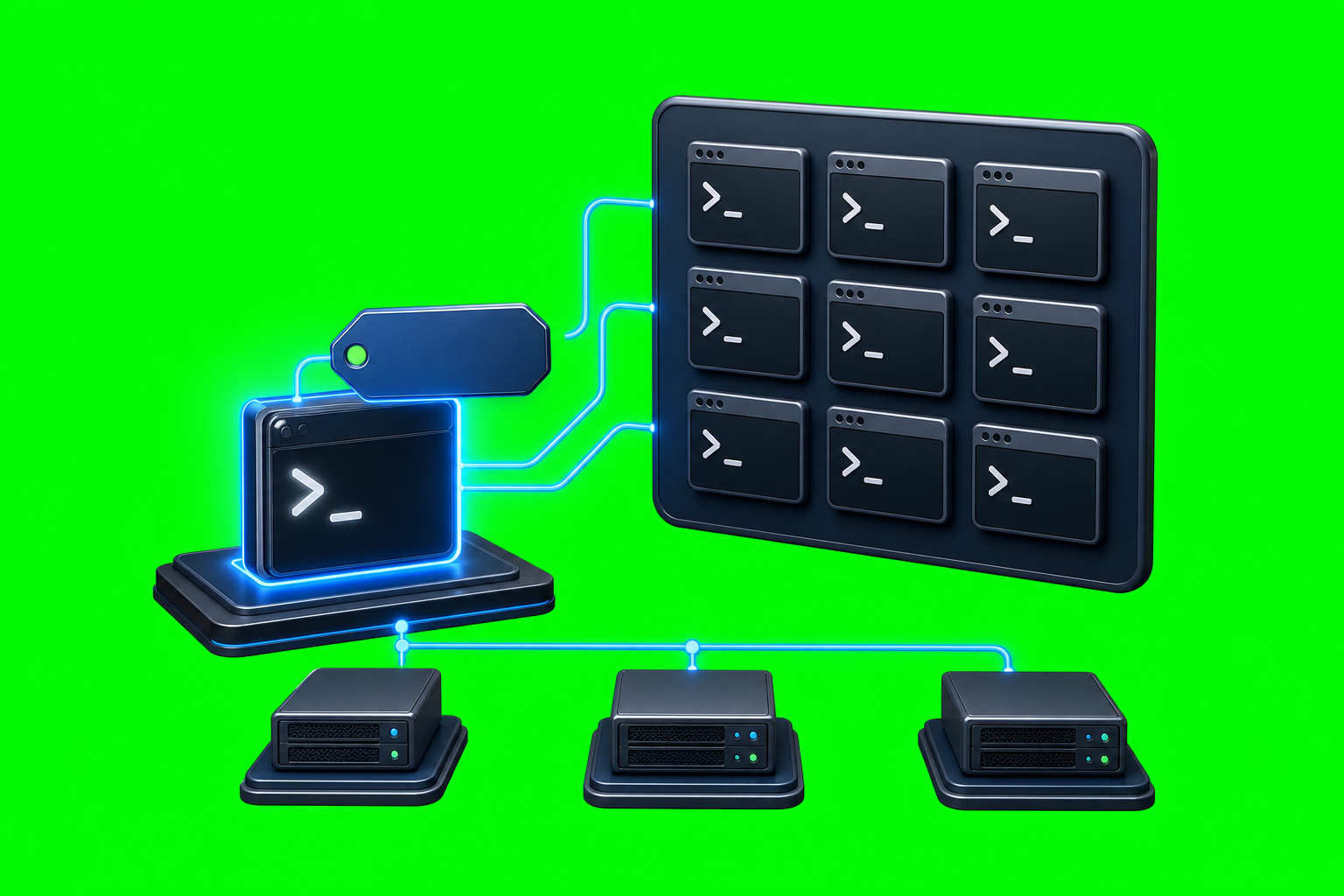
How AxiOwl Thinks About Agents, Nodes, and Providers AxiOwl is easiest to understand when its routing model is split into three plain nouns: agents, nodes, and providers. An agent is the addressable conversation or session a message can target. A node is the machine where that agent lives. A provider is the delivery surface AxiOwl […]
Why AxiOwl Is Not Just Another Wrapper
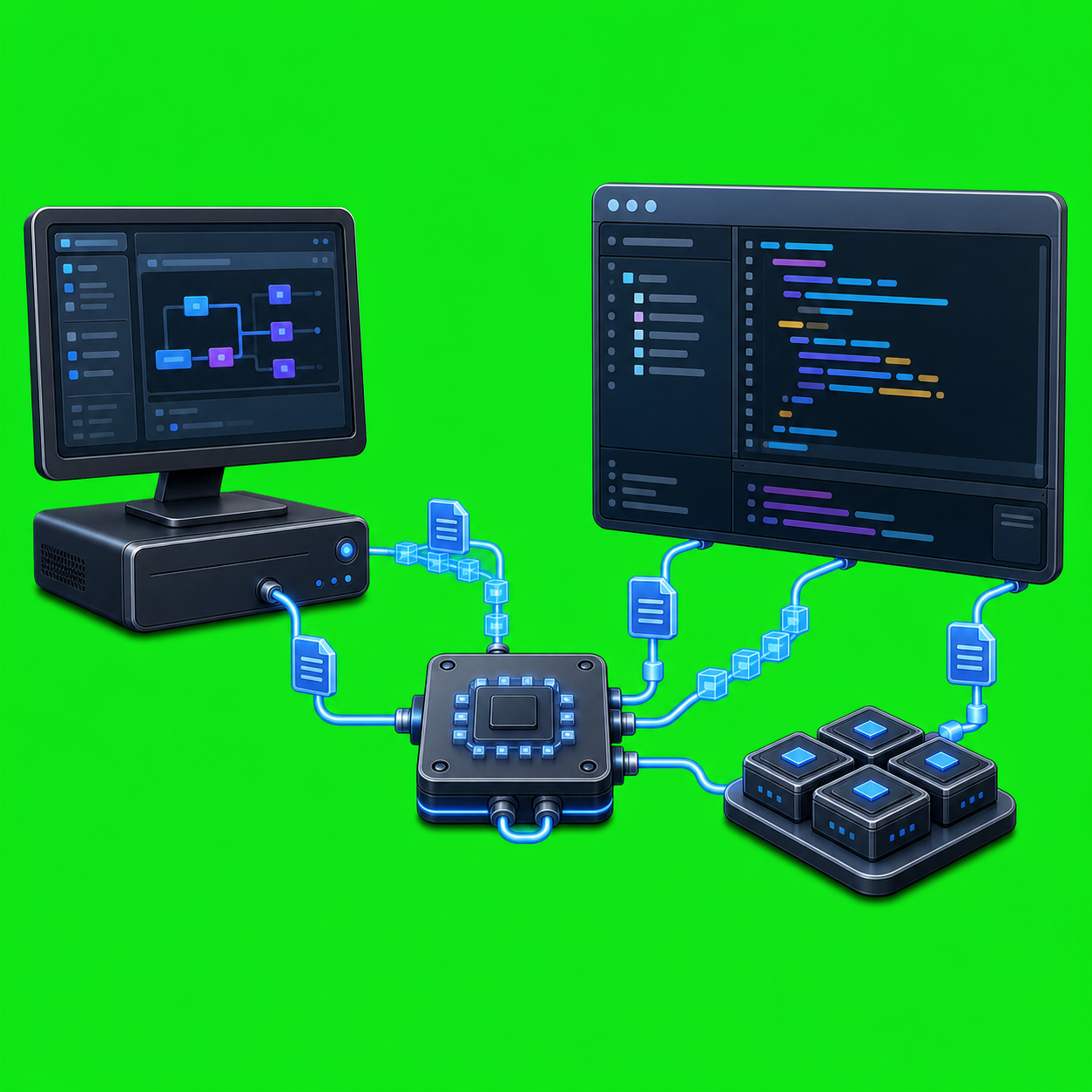
Why AxiOwl Is Not Just Another Wrapper It is easy to call any developer tool that sits in front of another tool a wrapper. Sometimes that is accurate. A thin wrapper takes arguments, calls an underlying command, and returns whatever came back. AxiOwl is built for a different job. It is a local coordinator for […]
When You Need AxiOwl and When You Do Not

When You Need AxiOwl and When You Do Not AxiOwl is useful when more than one AI provider session needs to participate in the same workflow and the handoff between those sessions needs to be addressable, repeatable, and inspectable. It is not something you need for every prompt, every chat, or every single-agent task. The […]
AxiOwl vs Traditional Automation Tools
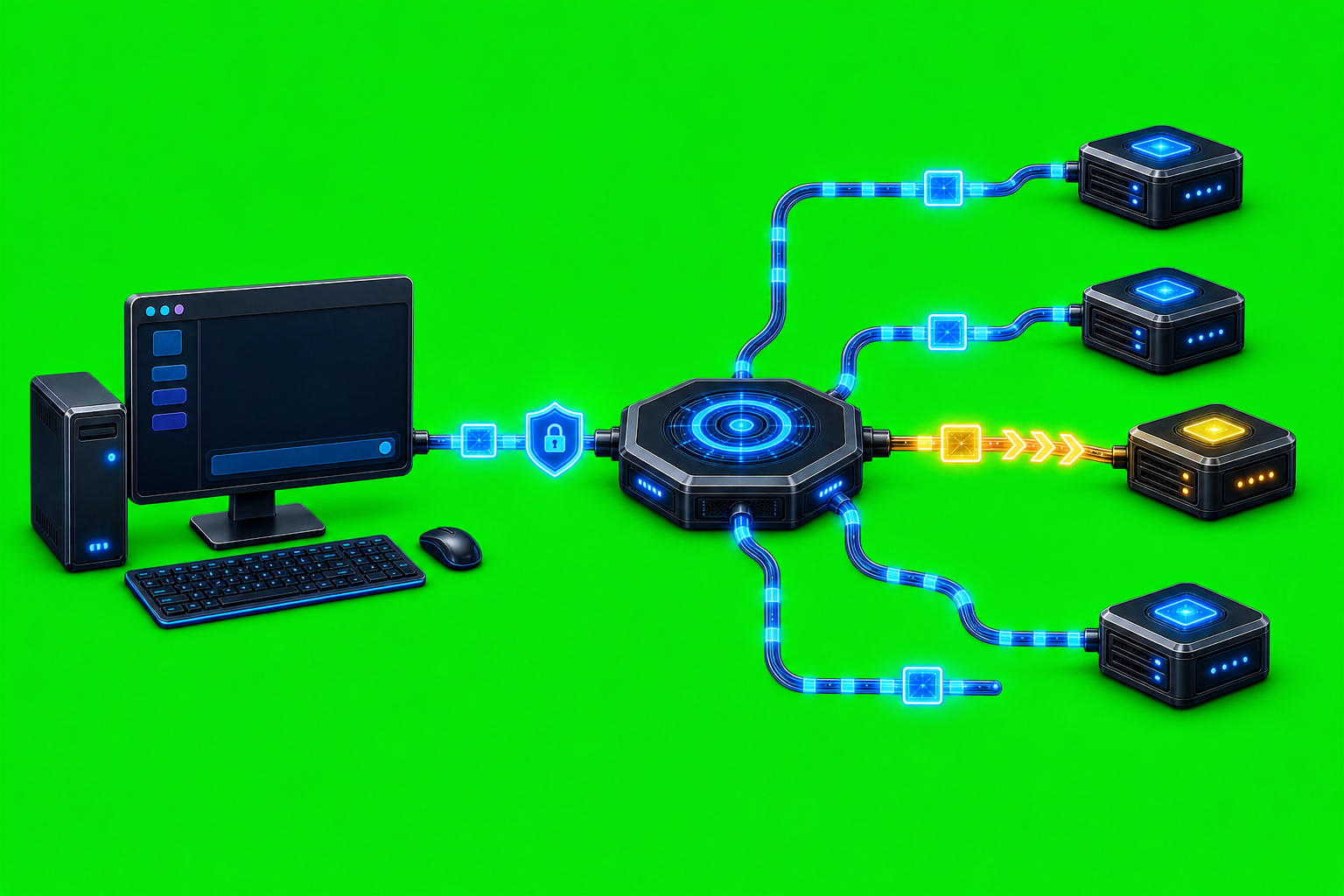
AxiOwl vs Traditional Automation Tools Traditional automation tools are usually built around executing steps. A script runs commands. A workflow engine moves data through tasks. A macro clicks or types through a user interface. Those tools can be valuable, but they are not usually designed around the problem AxiOwl is solving: letting named AI-agent chats […]
AxiOwl vs Copy-Paste Agent Coordination

AxiOwl vs Copy-Paste Agent Coordination Copy-paste coordination is the simplest way to make two AI sessions work together: read one agent's answer, paste it into another agent, then carry the reply back by hand. It works for one-off experiments. It breaks down when the work needs routing, sender identity, receipts, repeatability, or more than one […]
AxiOwl vs Remote Desktop for AI Operations

AxiOwl vs Remote Desktop for AI Operations Remote desktop is useful when a person needs to see and control a machine. AxiOwl solves a different problem: it coordinates messages between AI provider sessions by name, provider identity, registry state, MCP metadata, and delivery evidence. For AI operations, that distinction matters. If the task is "open […]
AxiOwl vs API-Only Agent Orchestration
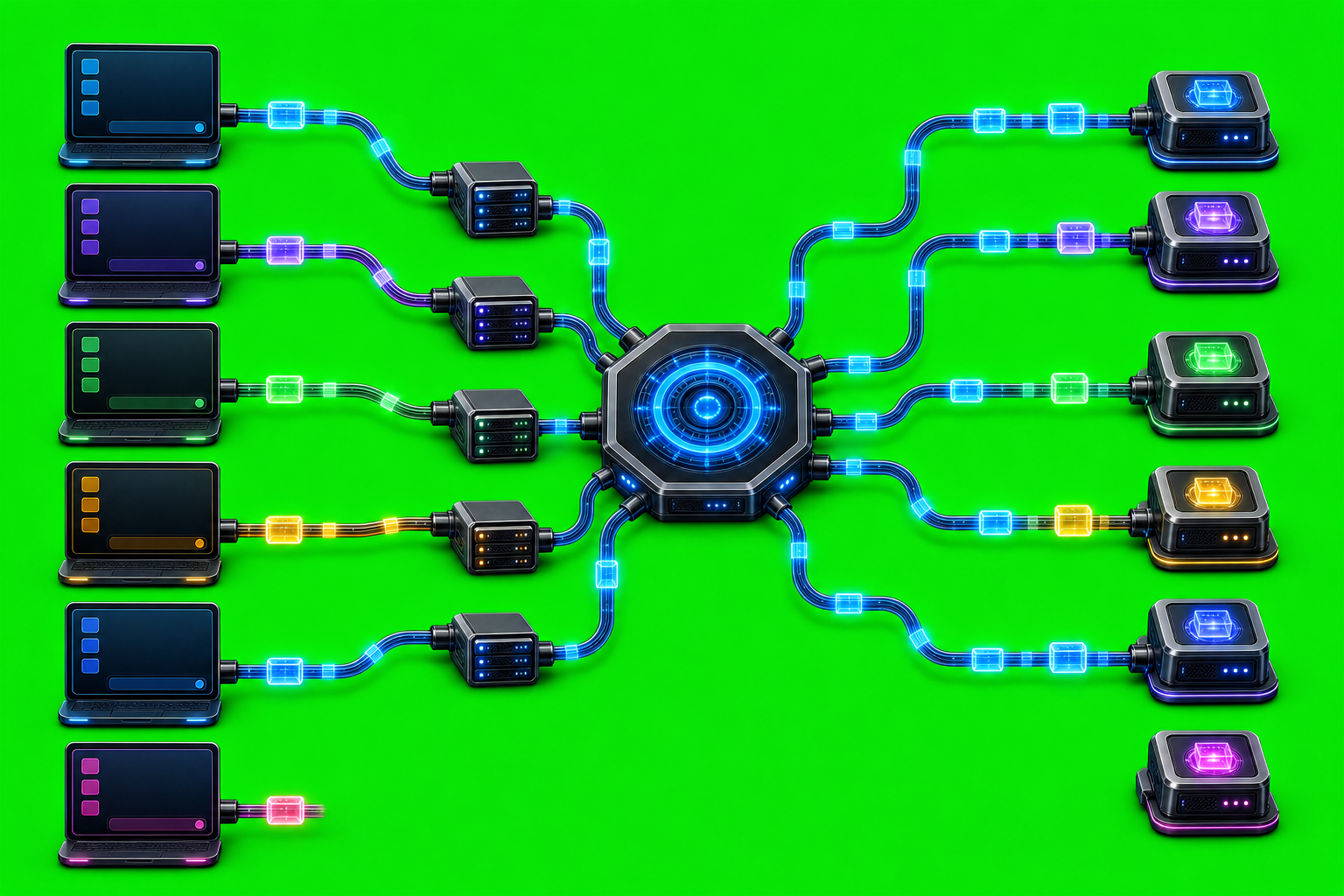
AxiOwl vs API-Only Agent Orchestration API-only agent orchestration is a good fit when every participant is a programmable service with a stable endpoint, token, request format, response format, and lifecycle controlled by your application. That is not the world AxiOwl is built for. AxiOwl is designed for the messier operating reality where useful AI work […]
AxiOwl vs Chat-Only AI Workflows
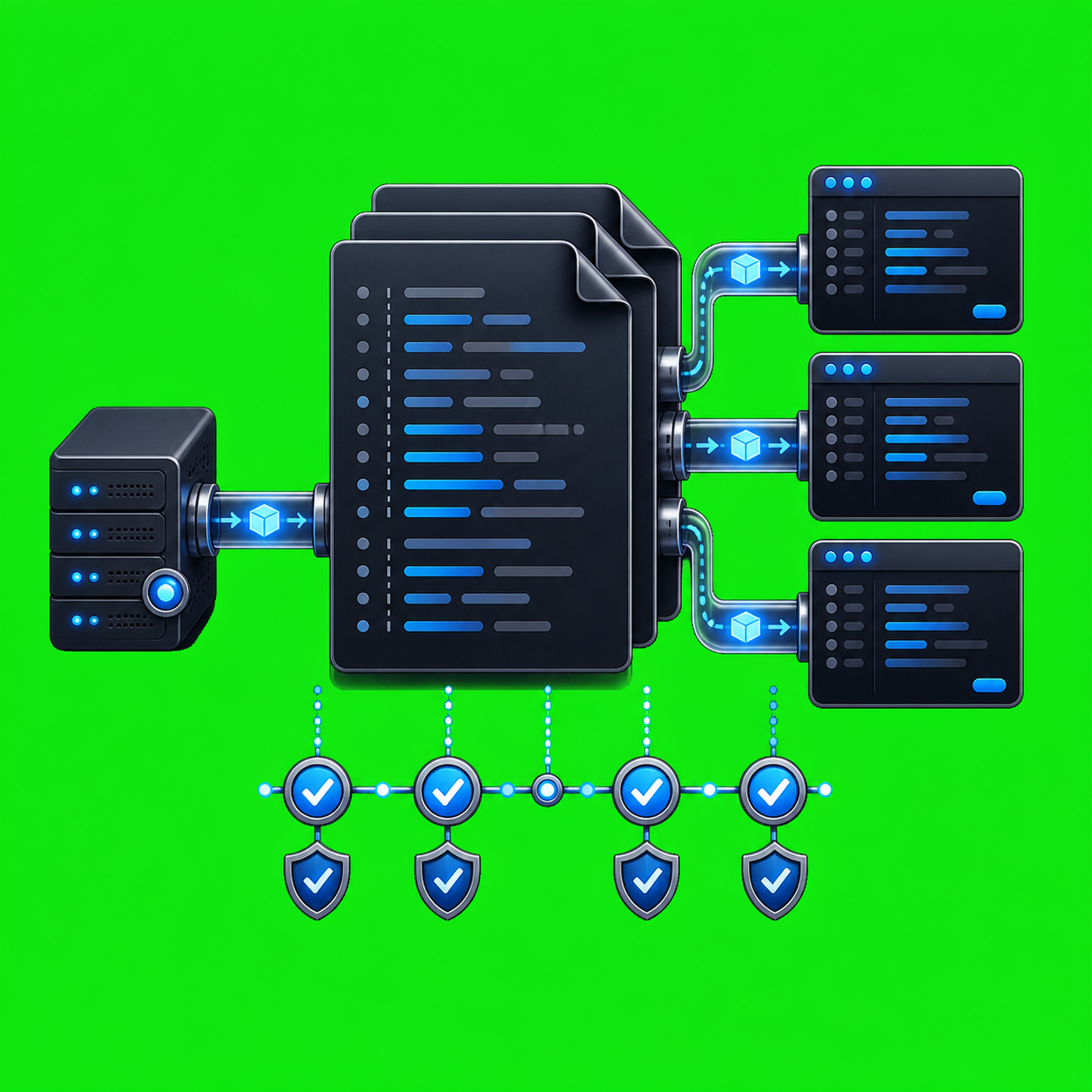
AxiOwl vs Chat-Only AI Workflows Most AI work still happens one chat at a time. A user opens Codex, Cursor, VS Code, Antigravity, Copilot, or another provider surface, asks a question, copies the useful result, and pastes it somewhere else. That pattern is simple, but it leaves every chat as its own island. The user […]
AxiOwl vs Single-Provider AI Tools
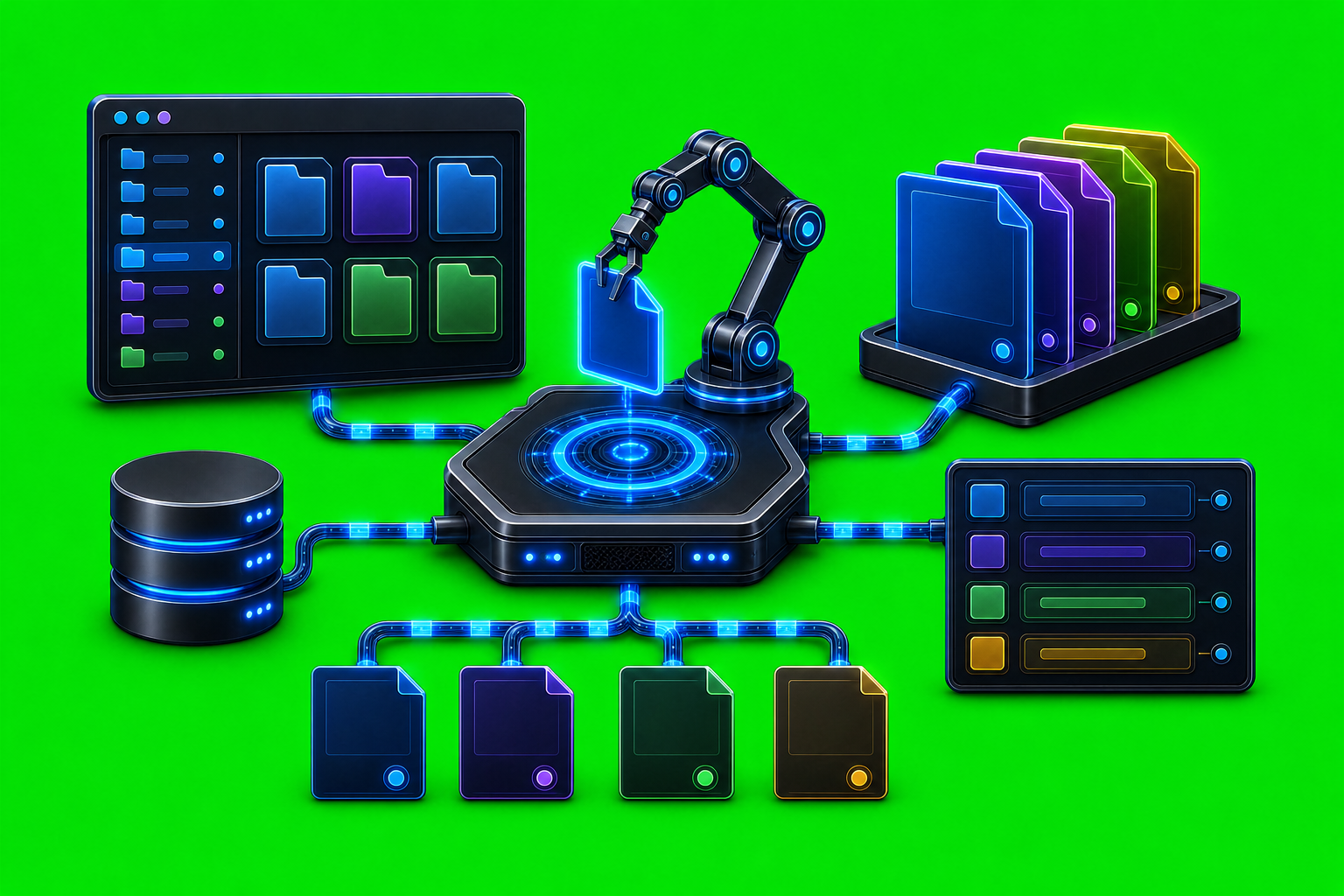
AxiOwl vs Single-Provider AI Tools Single-provider AI tools are usually designed around one host, one session model, and one set of assumptions. That can be clean when all of the work stays inside that provider. It becomes limiting when a real operator has useful AI sessions open in several places: Codex, Cursor, VS Code, Copilot-backed […]